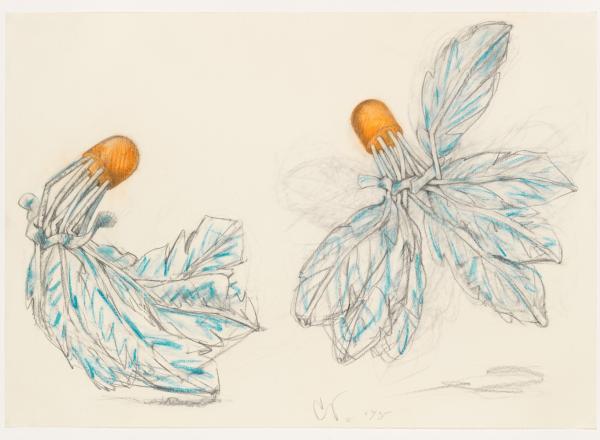
A survey documenting a decades-long collaborative relationship, Claes Oldenburg with Coosje van Bruggen: Drawings, presented in association with the Whitney Museum of American Art, is now on display at the Denver Art Museum (DAM). The exhibition spans the artists’ careers, from 1961 through 2001, including 39 drawings and one sculpture. Known for their iconic, imaginative large-scale sculpture, this exhibition offers a glimpse into Oldenburg and van Bruggen’s creative process.
Art News
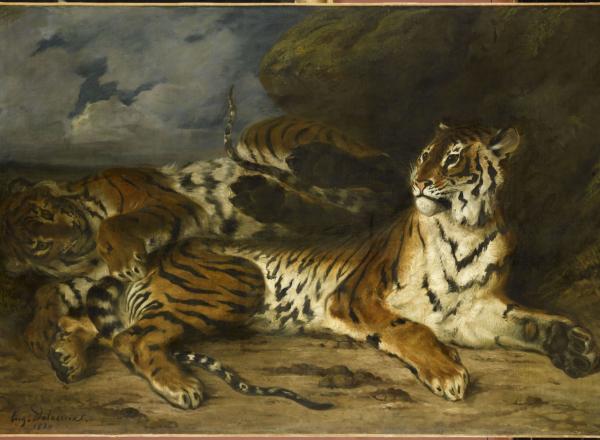
Painting brilliantly colored works with emotive physicality, Eugène Delacroix was a defining artist of French Romanticism. His first comprehensive retrospective in North America, the Metropolitan Museum’s Delacroix pays homage to the breadth and scale of his oeuvre, assembling an impressive collection of loans from North American and European collections.
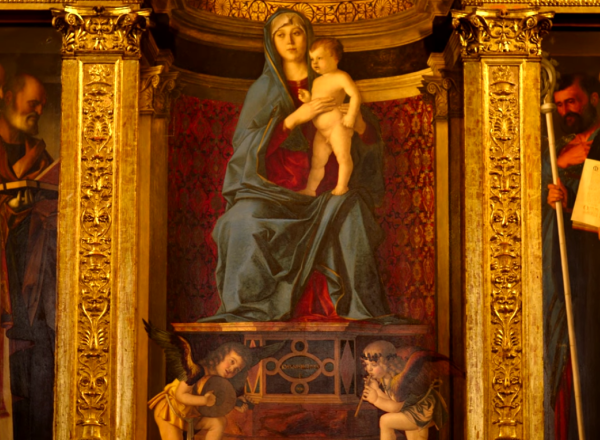
A tale of two artists and brothers-in-law, ‘Mantegna and Bellini’ tells a story of art, family, rivalry, and personality. It is a once in a lifetime opportunity to see in London rare loans of paintings and drawings from around the world by two of the most influential artists of the Renaissance.
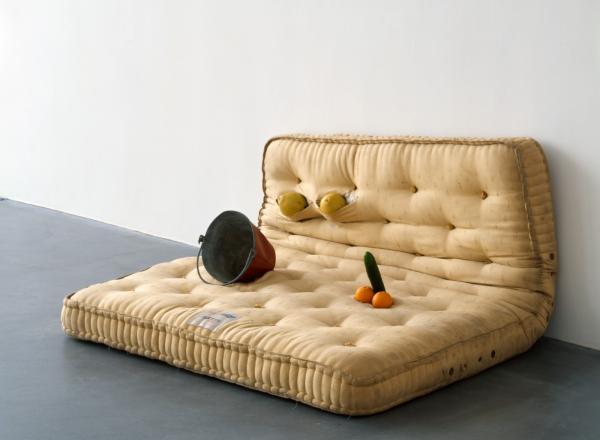
For the past 30 years, British sculptor Sarah Lucas has been making waves and making audiences chuckle with her dark sense of humor and unique use of materials. Bringing together important works from across her career, the New Museum presents the first American survey of Lucas’ work.

Jennifer Padgett, assistant curator, Crystal Bridges Museum of American Art, and Beth Harris discuss Jacob Lawrence's Ambulance Call (1948, tempera on board) at the Crystal Bridges Museum of American Art.
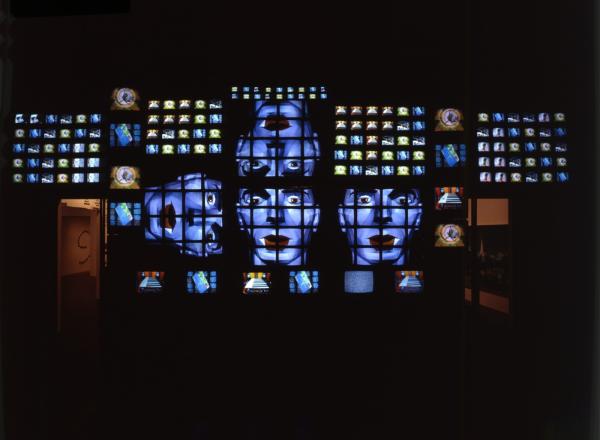
Taking a contemporary perspective, the Whitney is looking back through their collection, reviewing how programming has evolved in modern and contemporary art. Programmed: Rules, Codes, and Choreographies in Art, 1965–2018 begins with early conceptual works from artists like Sol LeWitt, Josef Albers, and Donald Judd, who used rules and instructions to guide their creative practices. By creating and working within these parameters, these early conceptual artists of the 1960s insisted that the idea behind the work was just as important as the work itself.
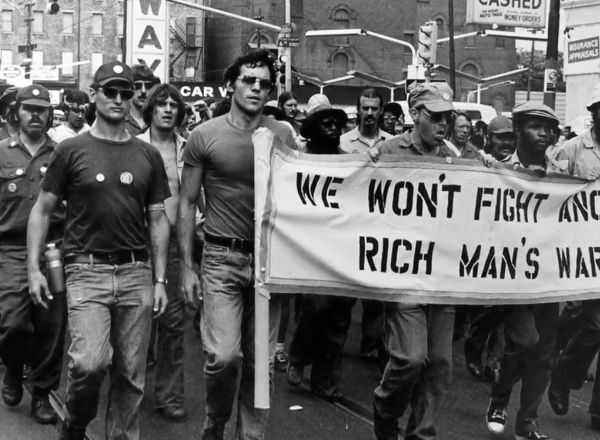
A pioneer of institutional critique, artist Hans Haacke creates conceptual works that expose connections among money, art, and politics. Haacke recounts the realizations that inspired him to demystify the relationships between art and the outside world, as in his SFMOMA collection work News (1969).
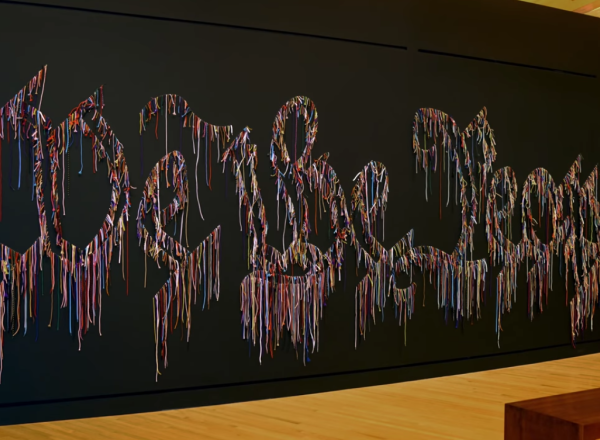
Dr. Mindy Besaw, Curator of American Art, Crystal Bridges Museum of American Art, and Dr. Steven Zucker discuss Nari Ward's We the People (black version), 2015 (shoelaces, 8 × 27 feet, Crystal Bridges Museum of American Art).
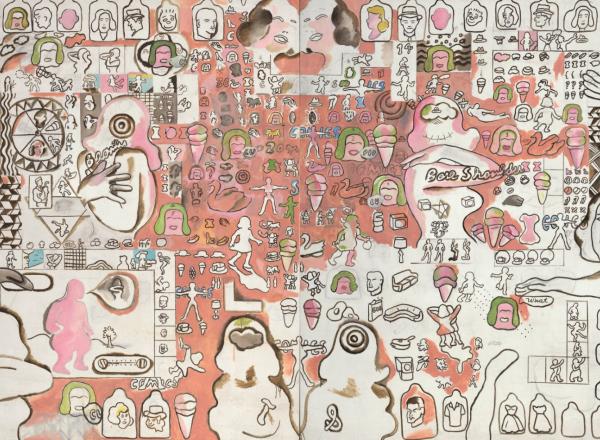
Fifty years after their last show, the Art Institute of Chicago presents the first major survey of the Hairy Who, a group of six Chicago Imagists. Similar to New York Pop Art in their use of imagery from advertising, Chicago Imagists differed from Pop artists in their creation intensely personal work.
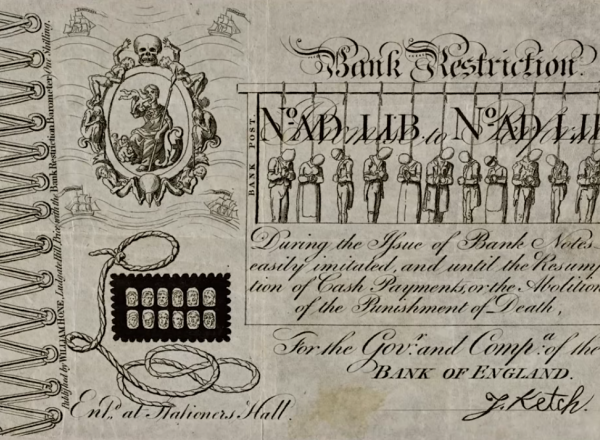
From deep within Private Eye HQ guest curator Ian Hislop takes you on a journey through the history of protest and dissent using objects from the British Museum collection.