
Then, in December, a pipe burst in one of the Egyptian antiquities departments and damaged more than 300 works. Most were archaeology journals from the late 19th century primarily consulted by researchers and students, but staff still spent weeks dehumidifying the journals page by page. Trade unions were also quick to point out that it was the second major water incident in two years. Weakened structural beams also closed a gallery in late November.
As it became clear that the Louvre was crumbling around them, museum employees began striking in December through January. Unions have been pressing for better pay, more recruitment, and improved maintenance in a direct response to the institution’s deteriorating conditions. Nearly 140 new hires were made after the strikes began as a result. Even so, the closures cost the Louvre at least one million euros in lost revenue.
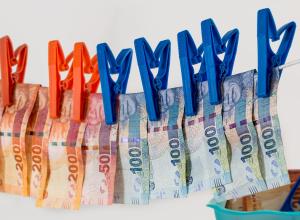
All of this turmoil is compounded by revelations of a decade-long fraud scheme involving the systemic reuse of tickets. Two Chinese tour guides are suspected of bringing groups into the museum by recycling admission tickets and splitting parties to avoid paying the required guide-speaking fee, while paying off Louvre staff to look the other way. The scheme generated an estimated $11.8 million in fraudulent revenue over ten years. A formal judicial investigation was opened last June on charges including organized fraud, money laundering, and corruption.