
The art world has its share of mysteries. From the impressive scale of prehistoric structures, to who exactly posed for enigmatic portraits.
Art News
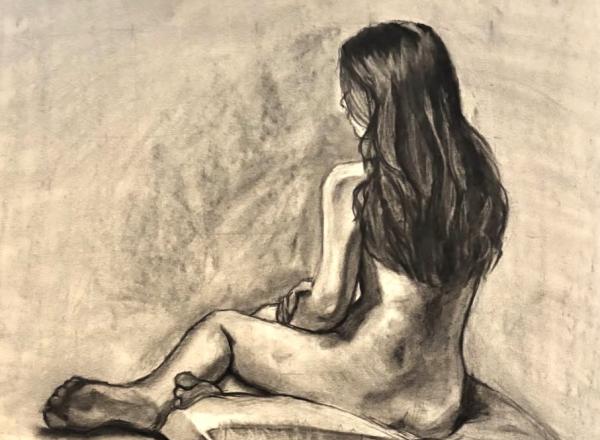
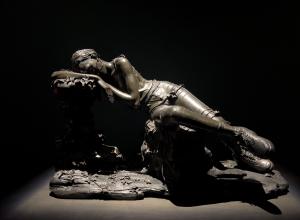
One might naturally assume the hardest part of nude figure modeling is being at your most vulnerable, on stage in front of a room full of people, many of whom are complete strangers. However, I am an extrovert who loves to chat, and as absurd as it sounds, I consider the inability to speak, laugh, or react as conversations flow around me to be, by far, one of the most difficult aspects of the job.
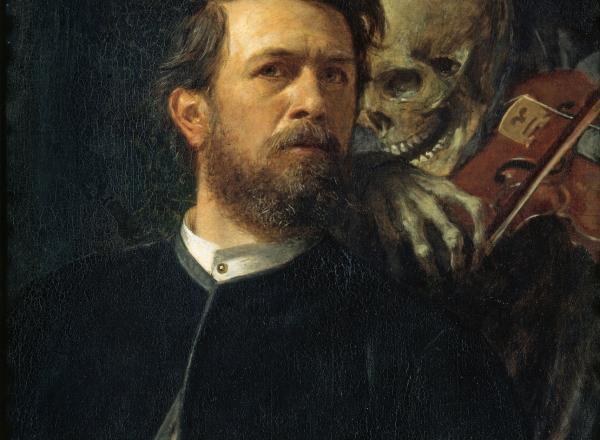
Regardless of gender, ethnicity, creed, or political ideology, one thing for certain is we are going to die. Death is the inevitable fate in the plight of man and the great equalizer to all. Consequently, themes of death are richly scattered throughout the art-historical timeline.
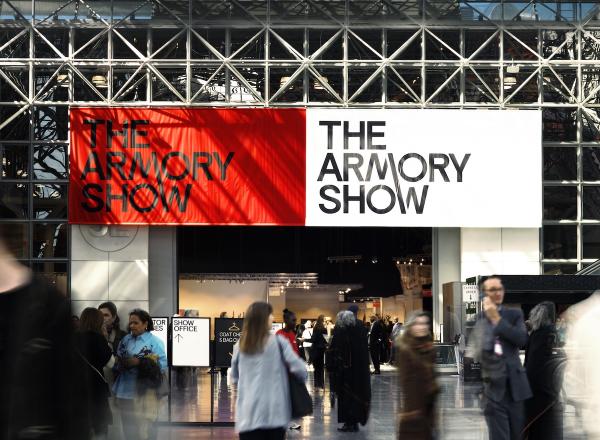
With more than 240 exhibitors, The Armory Show 2026 took place at New York’s Javits Center from September 24 to 27, marking the 32nd edition of this popular art fair and highlighting a wide range of artists, practices, and viewpoints. This year, the Caribbean and its diaspora served as a unifying theme throughout the fair, centered on María Elena Ortiz’s Focus section and extending into gallery exhibitions, performances, and the broader program.
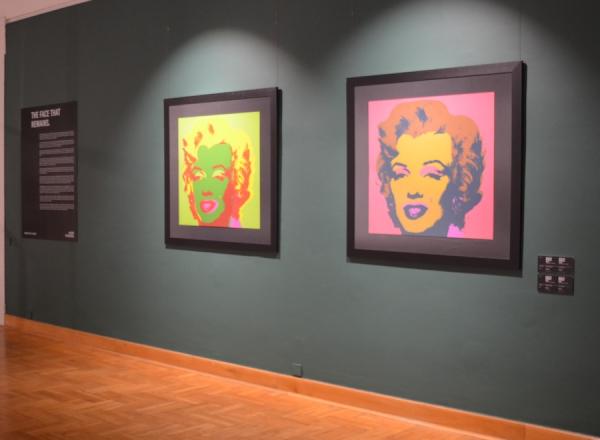
When Florida real estate investor Richard Perlman and his family first began purchasing paintings and prints from the Miami Fine Art Gallery in 2023, they thought they were building an unrivaled collection of Andy Warhols.
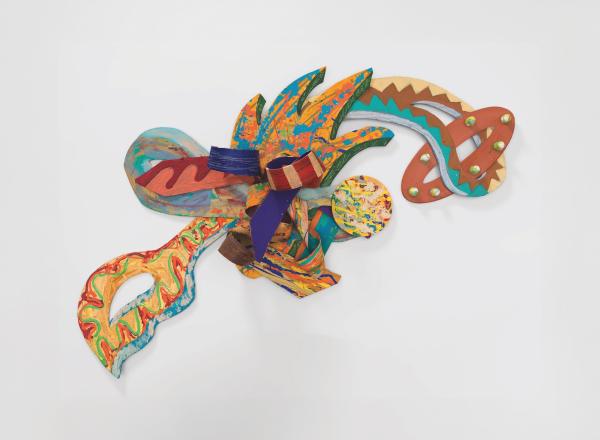
On August 29, 2005, Hurricane Katrina made its second landfall as a Category 4 hurricane, tearing through southeast Louisiana and Mississippi. Whereas New Orleans, situated below sea level, avoided the brunt of the storm winds, the levees containing waters from Lake Pontchartrain and Lake Borge were overwhelmed by the rainwater and storm surge. By the afternoon, 20 percent of the city was underwater; by August 31, that number had risen to 80 percent.

For a design so simple, the history of the smiley face is surprisingly long and contentious.
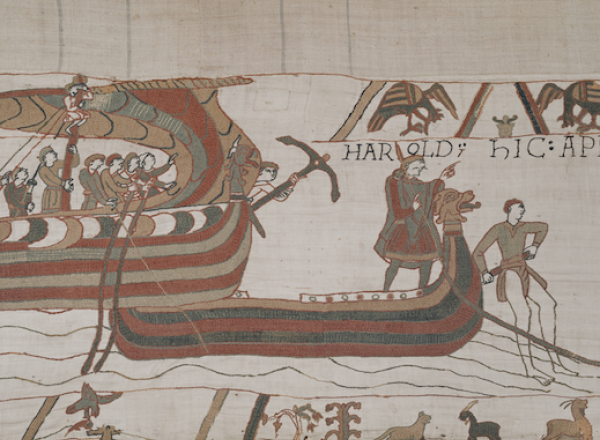
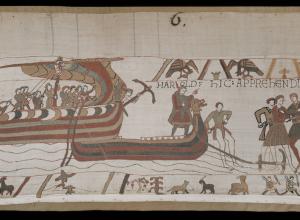
For the first time in approximately 900 years, the Bayeux Tapestry has made its way back to Britain for an exhibition that opened on September 10th at the British Museum and has already sold out of tickets through the end of 2026.

Fenimore Art Museum is proud to announce the opening of its new American Masterworks Gallery, a reimagined, state-of-the-art exhibition space designed to showcase the museum’s collections, including the recently acquired American Masterworks Collection, opening to the public on Saturday, September 26th.
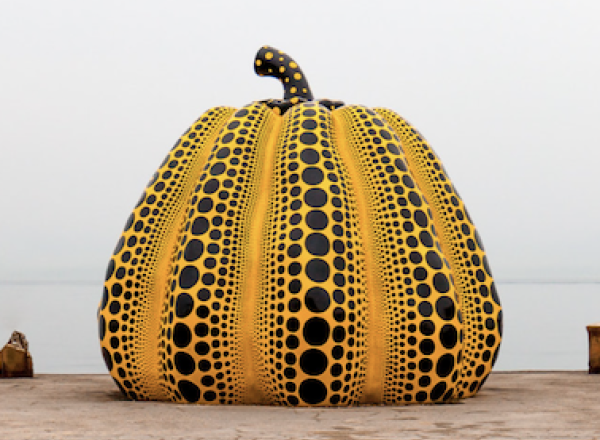
Here we look at nine examples of beautiful autumnal imagery and spirit. From Claude Monet's seasonal "Haystacks" to Giuseppe Arcimboldo's strange flora-based portrait series, to Yayoi Kusama's iconic "Pumpkin," these artists explore the true scope of fall.