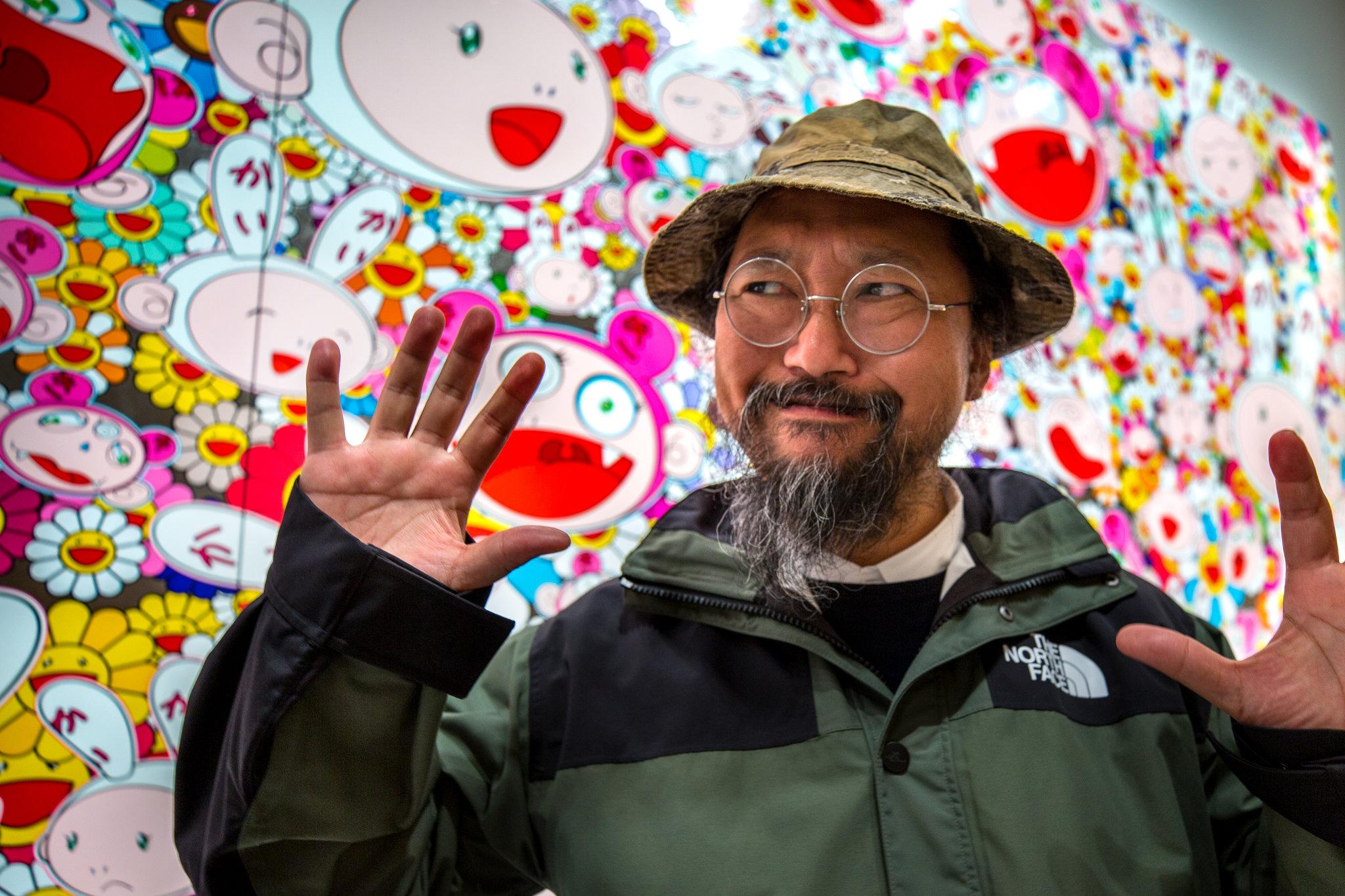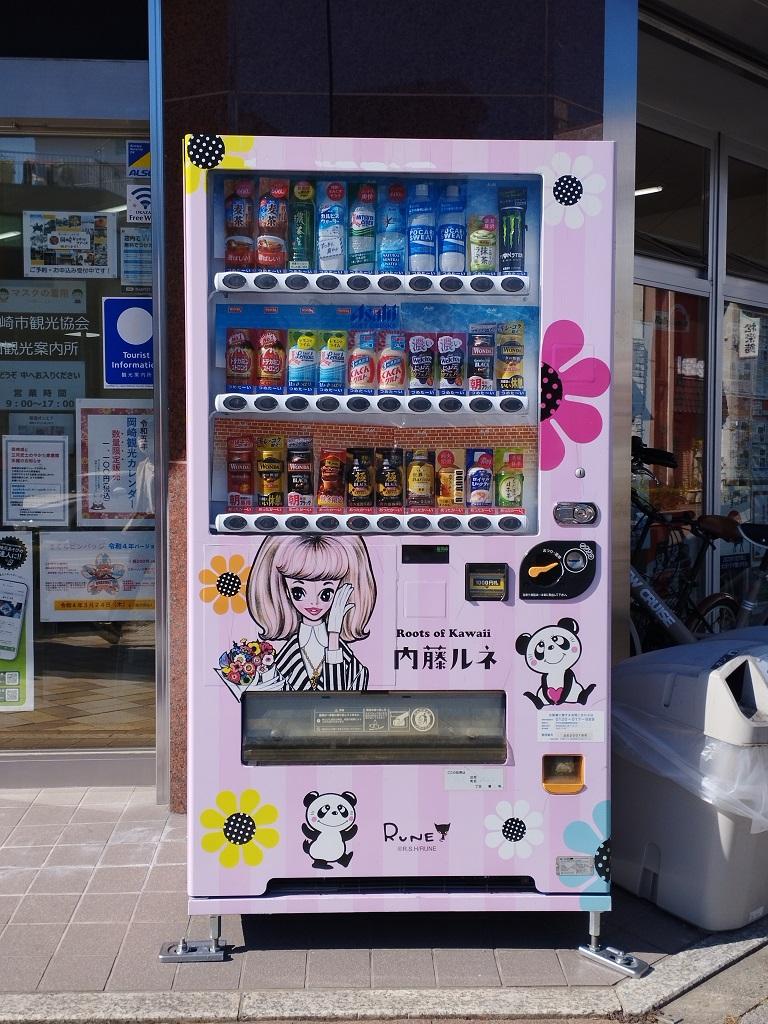



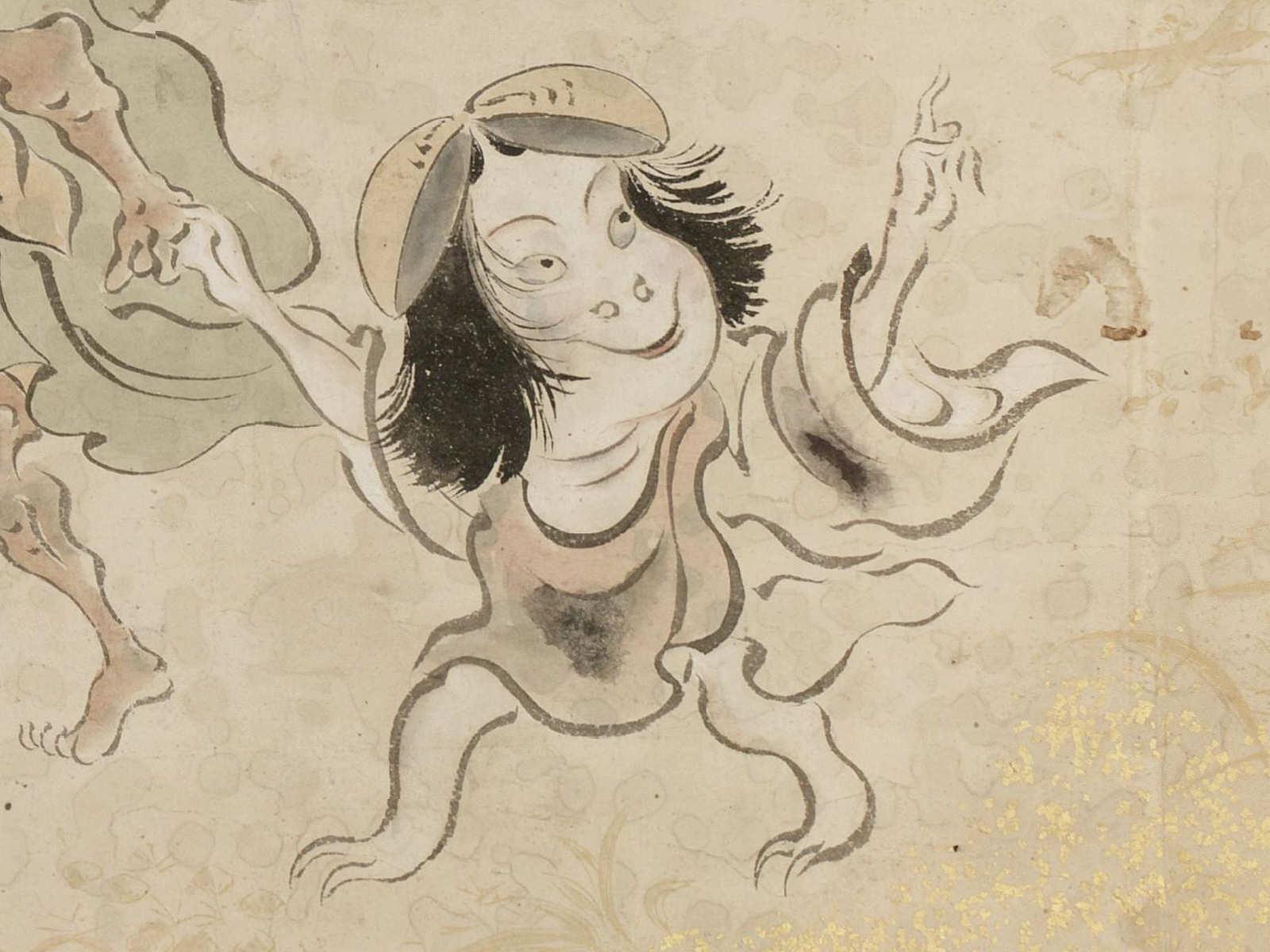
Beginning in the 1970s, Japan saw a bubbling of this “cute” art style amongst the youth. Following a global protest cycle in the late 60s, students turned to pen and paper to protest “against the system.” Teenage girls, specifically, would use mechanical pencils to create curly, oversized lettering, with hearts and stars decorating the borders. This seemingly unserious writing trend— coined marui-ji— was just the beginning.
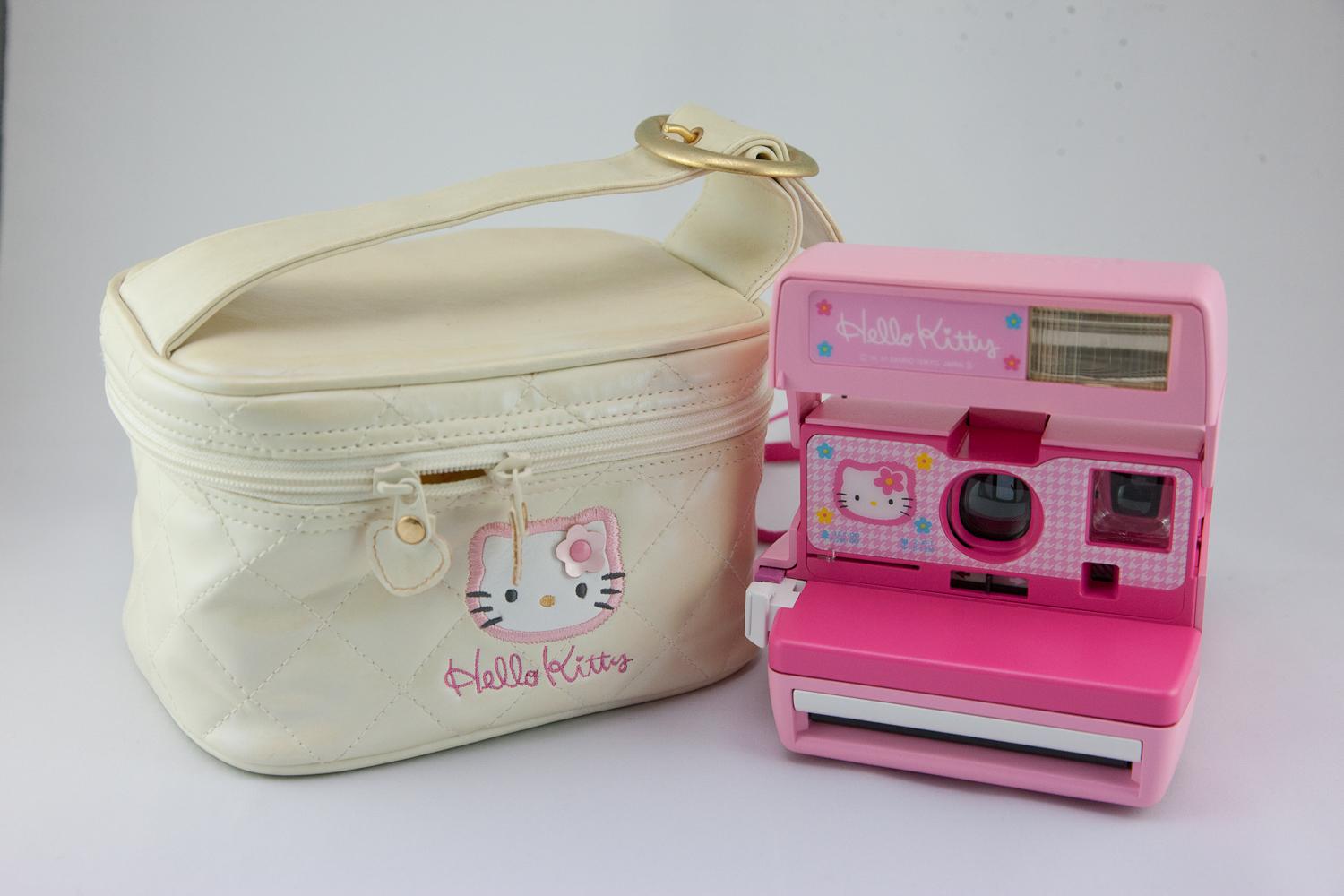
Beyond the page, this type of art blossomed with a symbiotic relationship with manga (comics), anime, and merchandise from popular brands. In 1974, Sanrio— a Japanese stationary and entertainment company— released the notorious Hello Kitty, with her simple features, innocent nature, and soft pink bow, encouraging a kawaii fandom to take off.
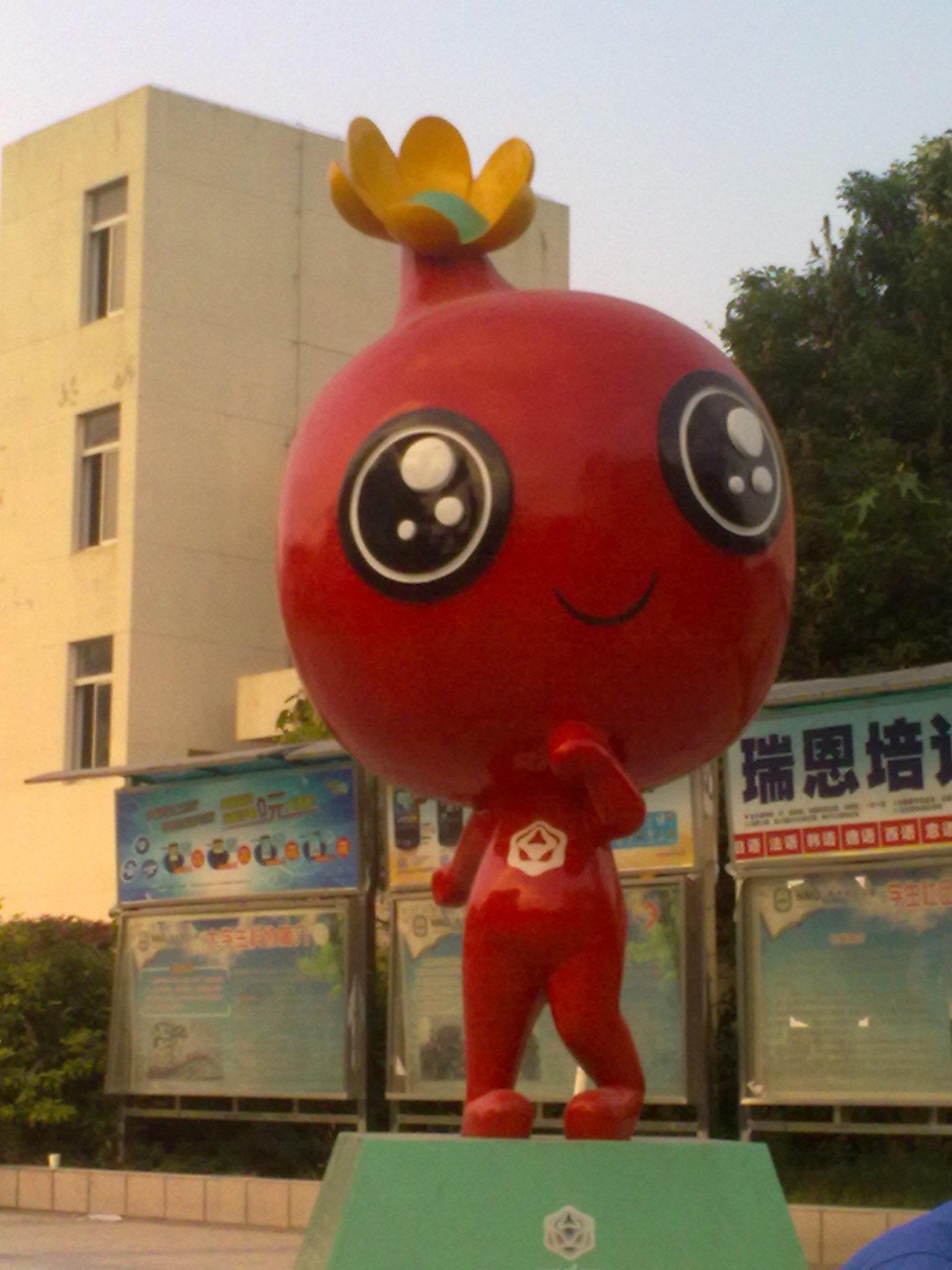
The aesthetic can be found throughout many mediums– drawings, paintings, digital art, film, and television, to name a few. What separates the style from others is the rounded shapes, uncomplicated features, and pastels or bright colors, all captured in a “childlike” essence.