




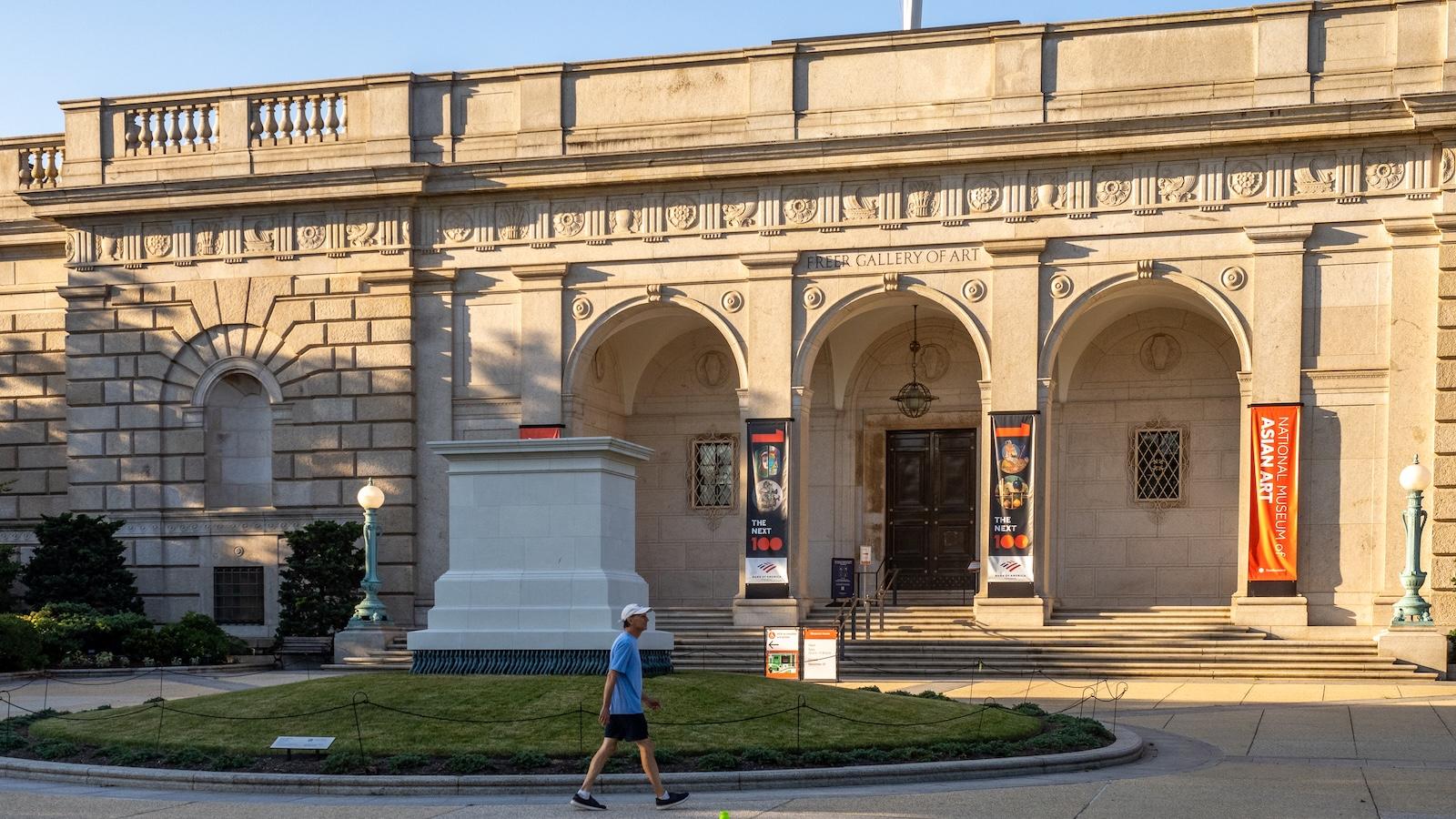
Such repatriation of items from the national collection was made more readily possible by the Shared Stewardship and Ethical Returns Policy, which was approved in 2022 to allow Smithsonian museums to return collections based on ethical considerations in addition to legal ones. Curators and provenance researchers can make a recommendation determined by the way the objects were originally acquired and the context of their acquisition. Items that were taken under duress, stolen, or removed without their owner’s consent could be eligible for voluntary return without a formal restitution claim.
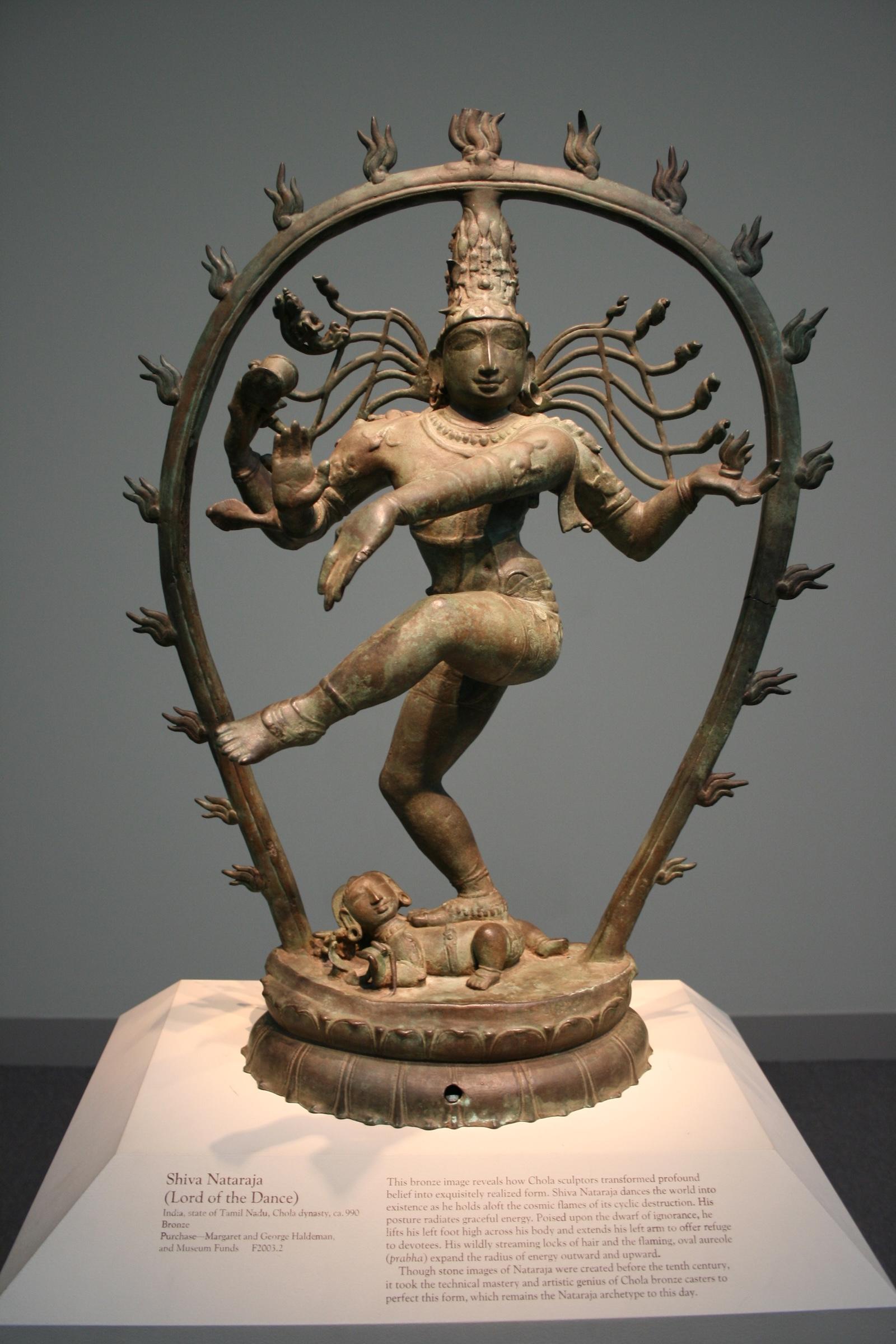
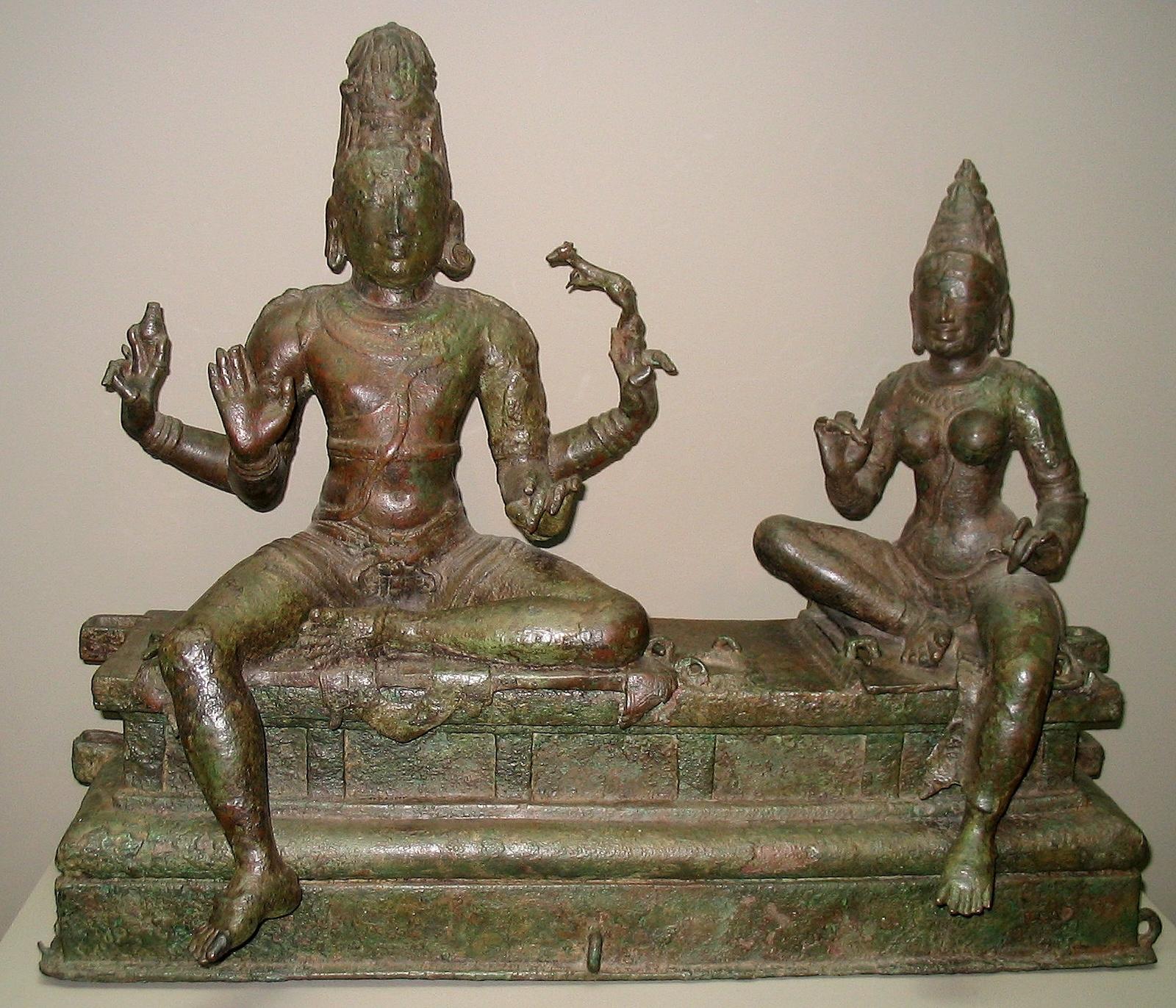
Even so, it can take years and thousands of hours of research to establish unethical acquisition. Inquiries into the three Indian bronzes began three years ago and required collaboration across numerous organizations. Chief among these was the French Institute of Pondicherry, whose archives showed that the sculptures were photographed in temples during the late 1950s and subsequently removed illegally. The Somaskanda and Saint Sundarar with Paravai bronzes found their way into Arthur Sackler’s collection. He donated them to the Museum of Asian Art as part of a 1,000-item bequest in 1987. The Shiva Nataraja was purchased from the now-notorious Doris Wiener Gallery in 2002 with falsified documentation of its provenance.
Contemporary acquisition processes might have caught these suspicious origins, but then again, they might not have. Discerning the path of an object from one collection or dealer to another can be incredibly challenging. In the case of the Cambodian sculptures, it was well-documented that looters removed similar objects from the country during civil conflict, so dependable records from that time are scarce. The British Army’s raid on Benin in 1897 likewise made it easy for bronze statues to slip out of the county into the hands of eager dealers. Almost 30 Benin bronzes were returned to Niger from the National Museum of African Art in late 2022.

















.jpg)
.jpg)
