




Canada Border Services Agency intercepted the objects in January 2024 as they were being transported from Istanbul to Vancouver. Referred to the Department of Canadian Heritage, the matter eventually reached the Federal Court of Canada which ruled in September 2025 that the items fell within the scope of Turkey’s legislation around protecting cultural assets. Some of the manuscript pages had been removed from their original bindings, and others had been altered with illustrations in earlier attempts to increase their commercial value. The Canadian court’s ruling, which cited frameworks including the UNESCO 1970 Convention on the illicit trade of cultural property, is being watched closely as a potential model for future cross-border restitution claims.
This return is part of a much larger effort from Turkey to recover looted objects from rich archeological sites sitting at the crossroads of the Balkans, the Middle East, North Africa, and the Western world. The country acts as a geographic bridge through which illicit goods have long traveled. Within its borders are hundreds of under-guarded historical sites from which looters can easily take small objects like coins or figurines. Conflicts in neighboring countries have further loosened the flow of black market goods through the region.
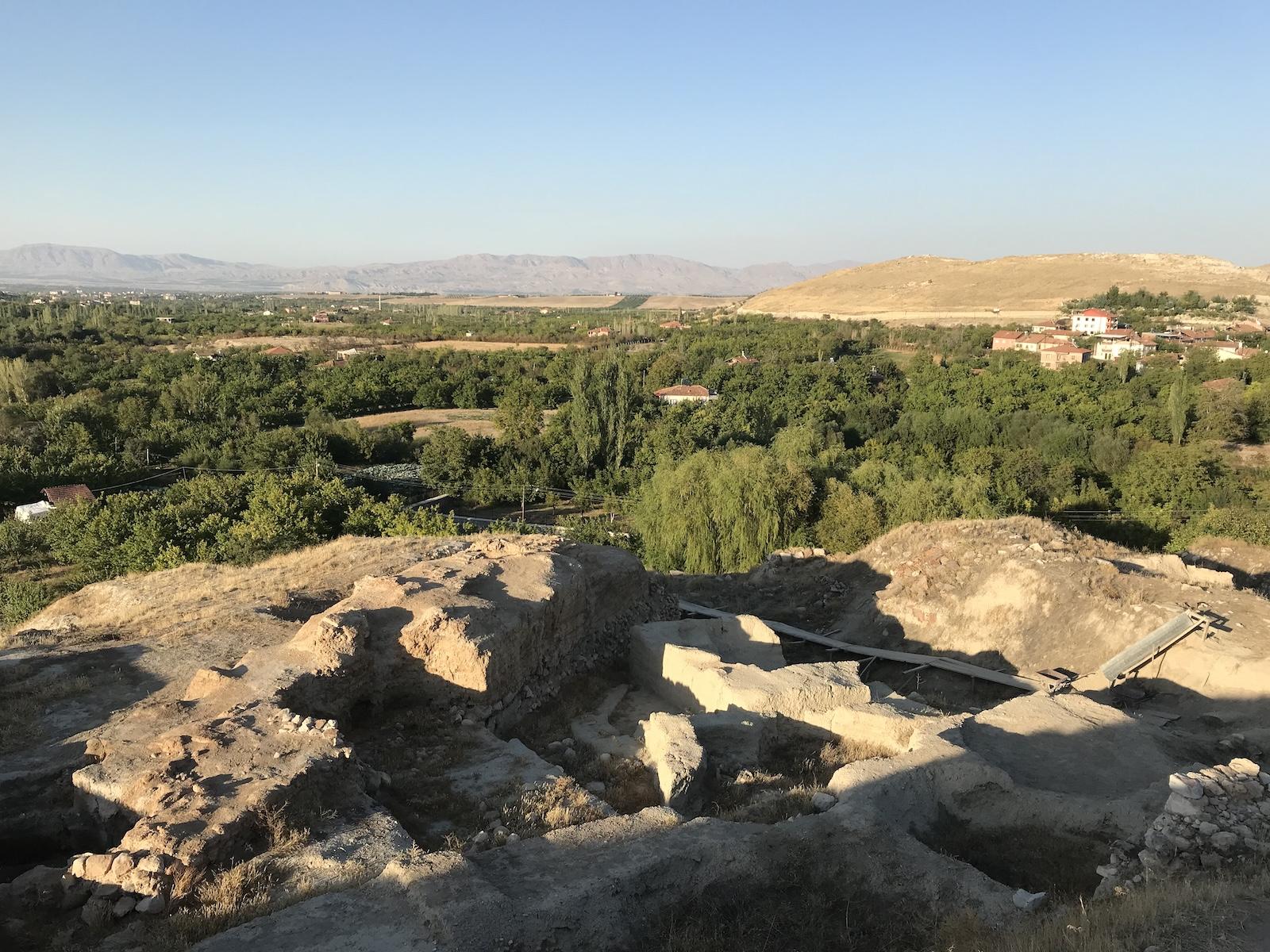
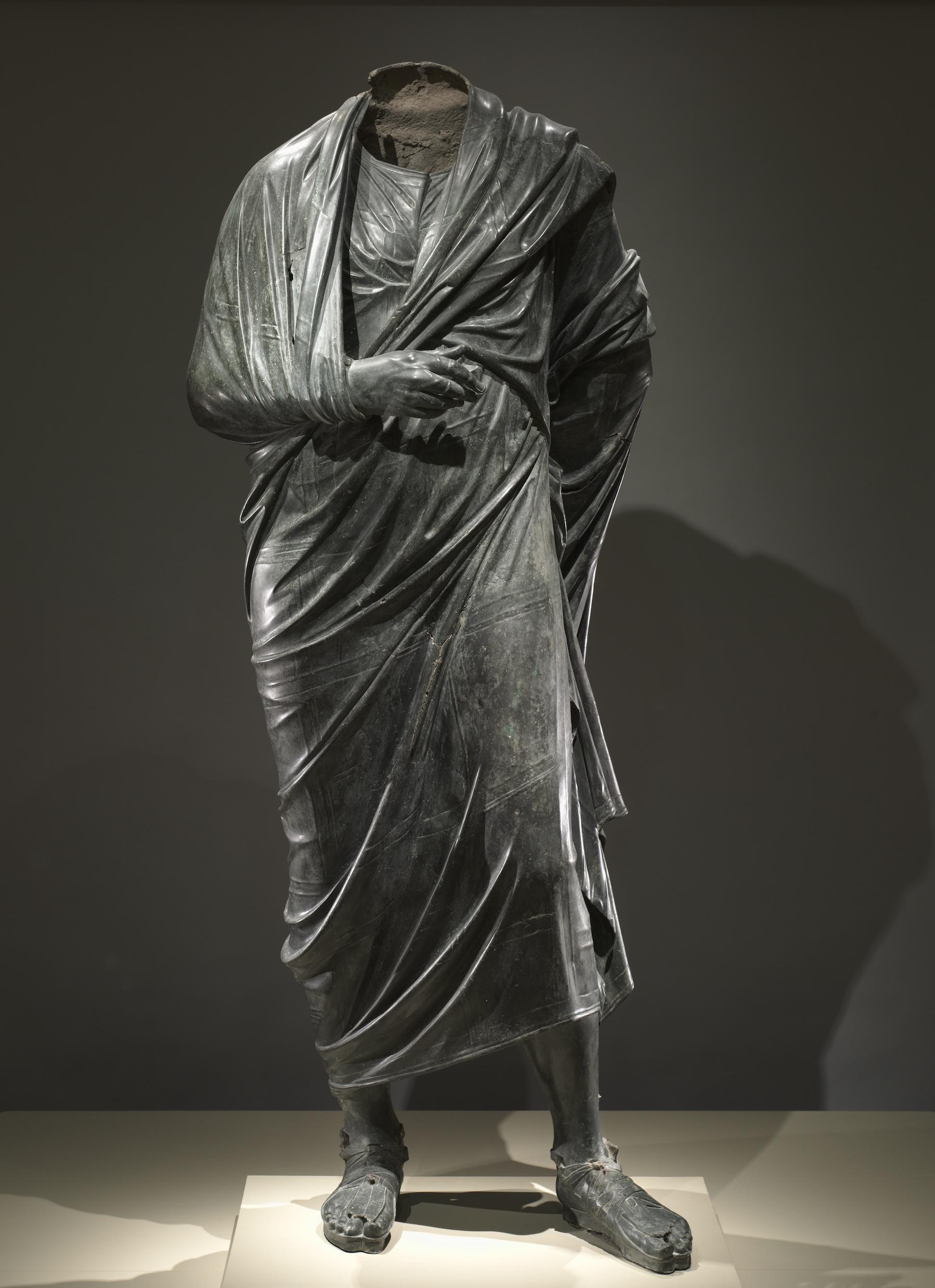
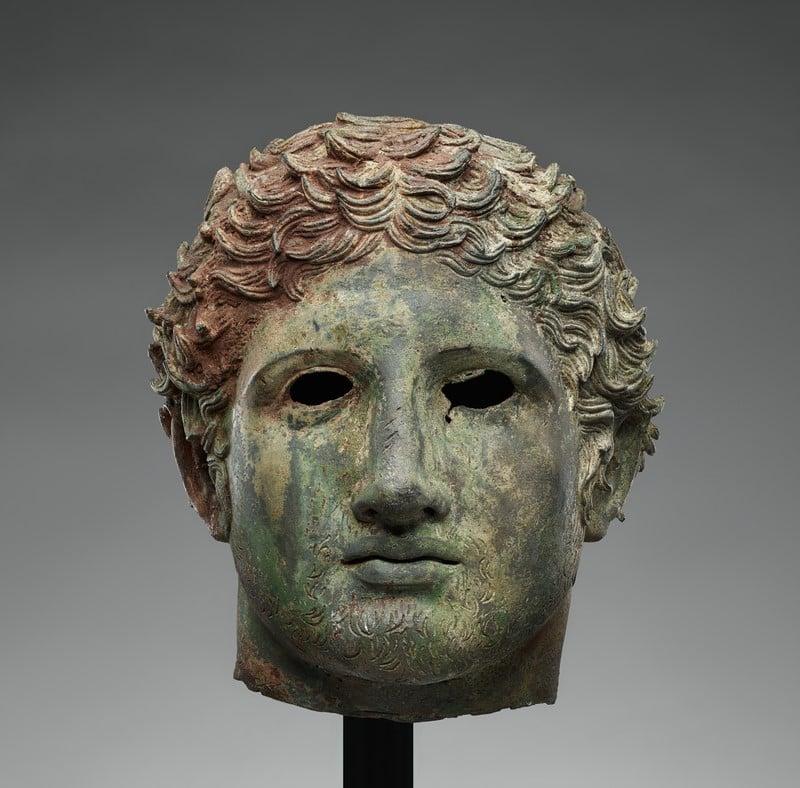
Nowhere has that traffic been more visible than in the theft and trade of bronze sculptures from a monumental shrine to Roman emperors in the ancient south-central city of Bubon. Since the 1960s, looters have been excavating and selling artifacts to coastal smugglers who move them to Switzerland and the United Kingdom before selling the objects to American or European buyers. Dealers have been known to funnel the bronzes into museum exhibitions and academic publications to launder them with new provenance histories. Institutions such as the Metropolitan Museum of Art, the Getty Museum, the Cleveland Museum of Art, and Boston’s Museum of Fine Arts have all been implicated in recovering works linked to Bubon.






.jpg)