At Large  November 4, 2026  Annah Otis

Political Turmoil Shakes Museums and Paris Art Week

WikiCommons

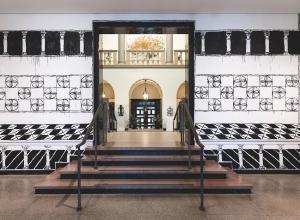
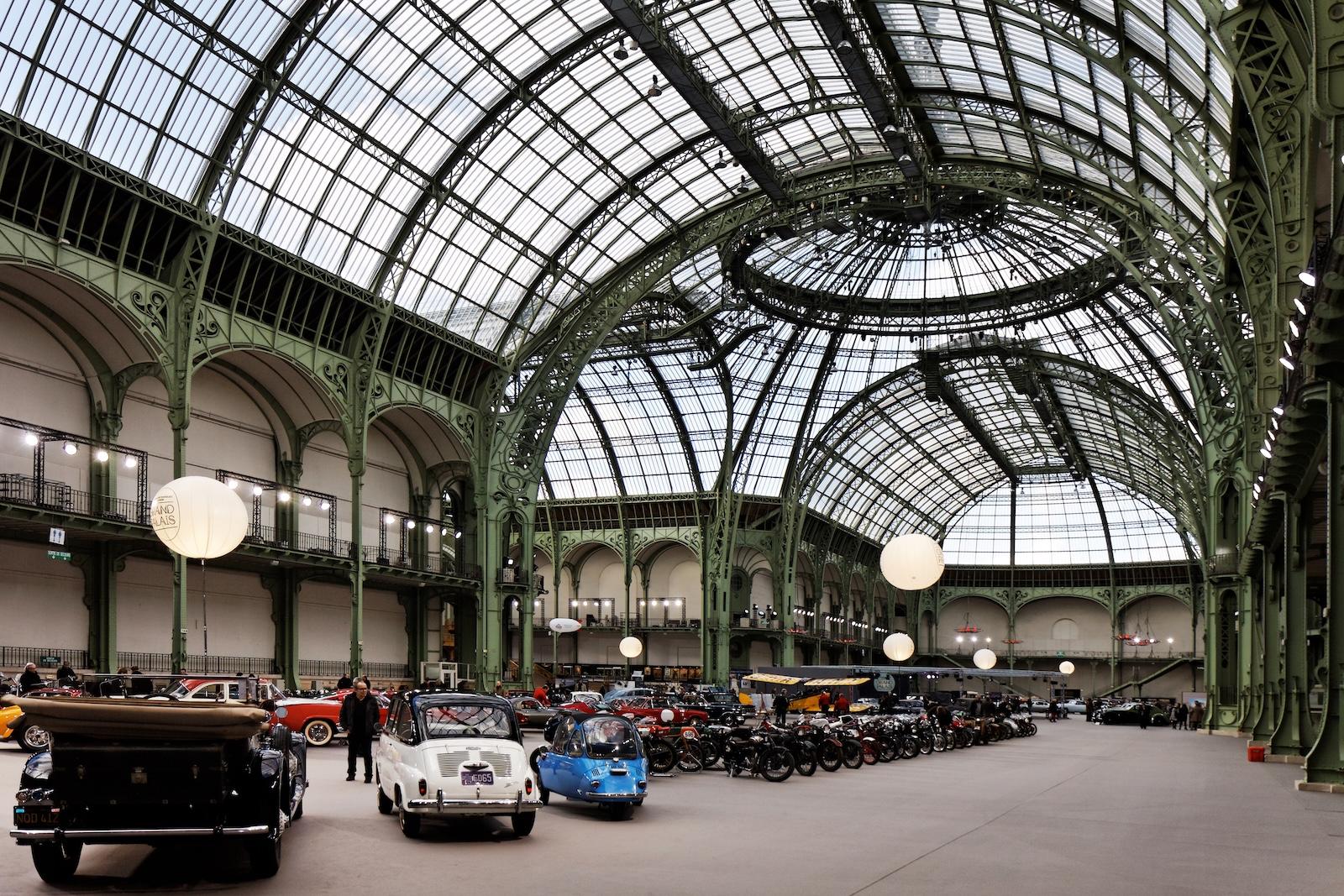
Interior of the Grand Palais in Paris. License.

Anti-ram barriers and round-the-clock security ringed the Grand Palais when Art Basel Paris opened its doors to an invite-only group of collectors on October 20 as protests continued across France. Looting and demonstrations erupted in mid-October after weeks of largely peaceful protests by students and unions to improve education infrastructure and reduce costs of living. Although Art Basel was scheduled to run through Sunday, October 25, organizers shut it down on Friday to ensure the safety of everyone involved. Museums, from the Louvre and Musée d'Orsay to the Picasso Museum, likewise closed in anticipation of a Saturday clash.

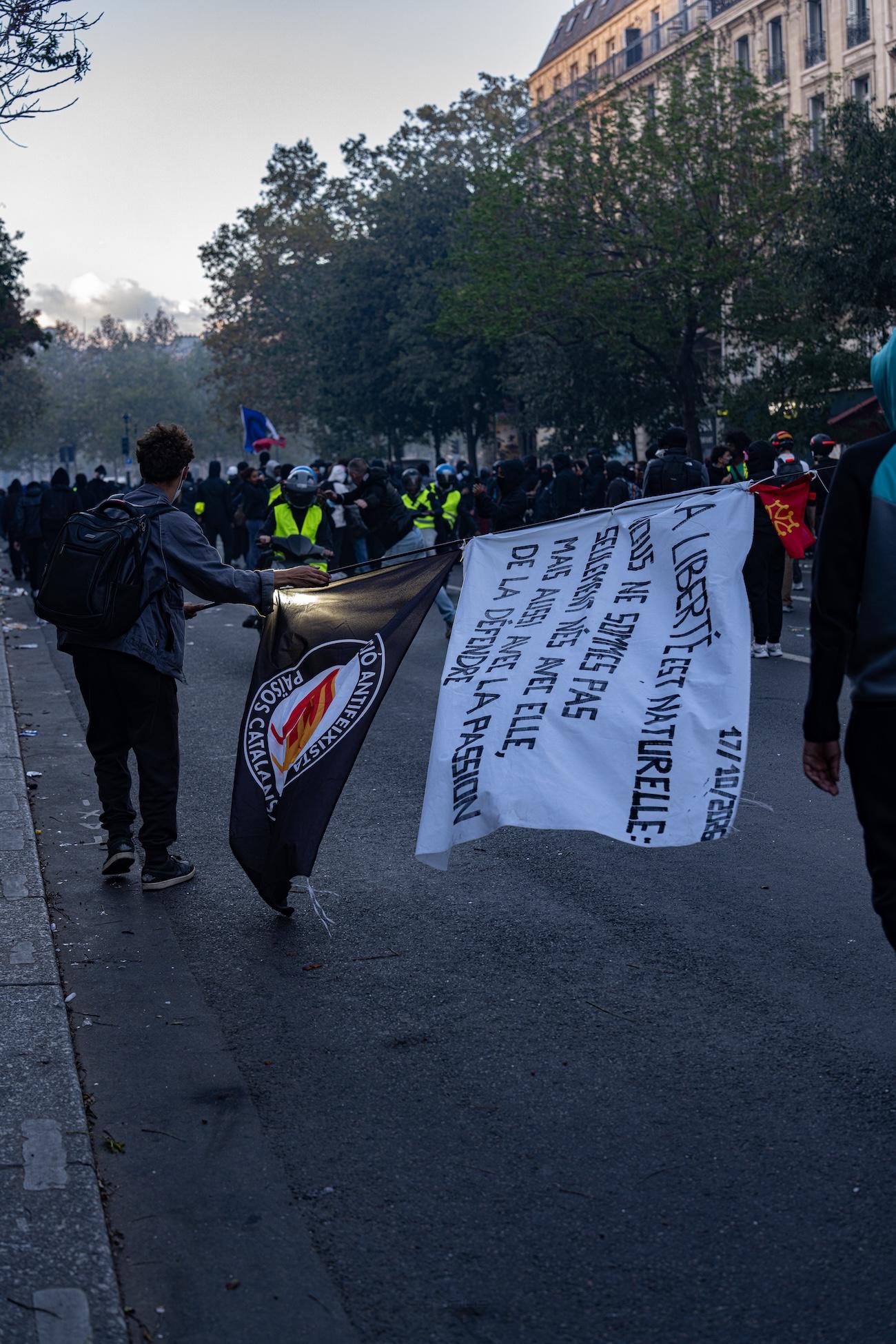
Crumbling infrastructure, overcrowded classrooms, and staff shortages sparked student protests beginning in September. They were soon joined by unions and members of the public concerned about the soaring cost of everyday items and fuel. More than half a million people marched in 110 cities on October 17 alone. Some splintered off into the worst rioting France has seen in decades. Meanwhile, the French government is trying to pass an unpopular austerity budget and steady its bond market before a presidential election in the spring. Marches on October 31 marked the third consecutive weekend of protest.

WikiCommons

Paris protests on October 17, 2026. License.

Inside the Grand Palais, the art market barely flinched. The fair’s 211 dealers cater heavily to wealthy American collectors and their advisors, so exhibitors tend to bring their most valuable works, showing them off during the first two preview days in hopes of a big sale. A rare Amedeo Modigliani nude was priced at more than $100 million this year, and a painting by Gerhard Richter sold for $10 million during the first 48 hours. Dealers interviewed by The New York Times reported that the buyers they expected all came.

Instead, losses landed on the public days, which typically fall after the major deals have closed. Collectors with smaller budgets who work during the week often visit on weekends but did not have the opportunity to do so. Galleries introducing newer artists rely on that foot traffic as a marketing play as much as a sales one and may have suffered as a result. It has not been announced if Art Basel will compensate exhibitors for the lost days.

Satellite fairs like Paris Internationale and Post-Fair were also forced to shuffle their schedules and manage a subdued atmosphere. Museums also lost out on ticket sales. The Louvre closed on October 19 to avoid unrest after students from the École du Louvre blocked one of its entrances in the early morning. These disruptions follow a staff walkout due to overcrowding and working conditions last year in a series of incidents that has left the institution scrambling.
WikiCommons

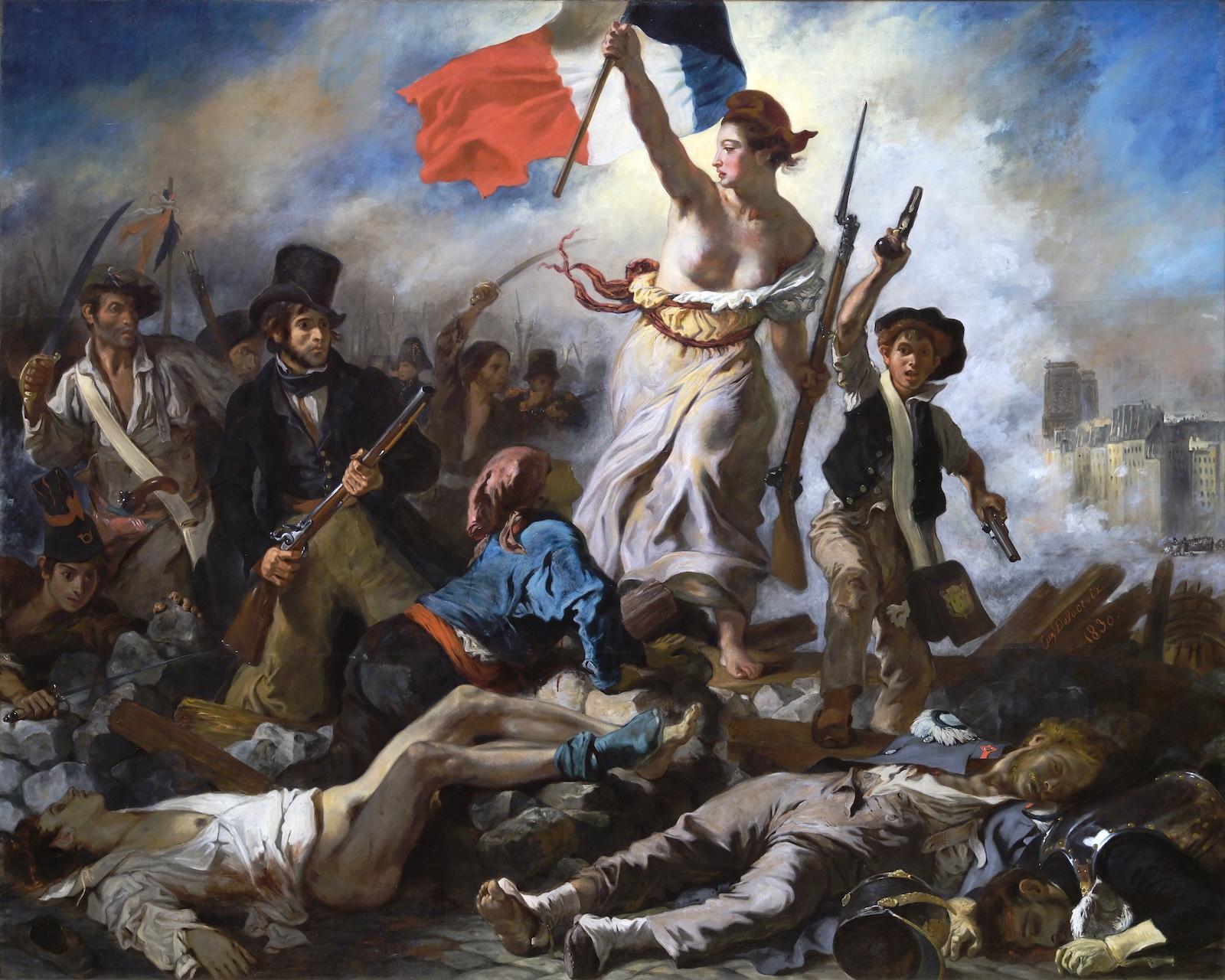
Eugène Delacroix, Liberty Leading the People, 1830. License.

Such protests are by no means unfamiliar to France. Student demonstrations in 1968 nearly toppled the French government. Nor are there any shortages of paintings depicting these clashes. Eugène Delacroix’s Liberty Leading the People commemorates the July Revolution of 1830, while Édouard Manet painted the violent suppression of the Paris Commune in The Barricade. Selling eight-figure canvases in the same city where young people are marching over economic opportunity may strike some as tone-deaf, but Paris has long treated art and revolt as neighbors. This year, they met at the door of the Grand Palais.

About the Author

Annah Otis

Annah Otis is a New York City-based contributor to Art & Object with a master’s degree in art history. She is also a marketing communications executive.

Subscribe to our free art newsletter!

Webform
Art and Object Marketplace - A Curated Art Marketplace