
At Large  August 19, 2026  Annah Otis

A New Generation of Global Weavers and Textile Artists Emerges

WikiCommons

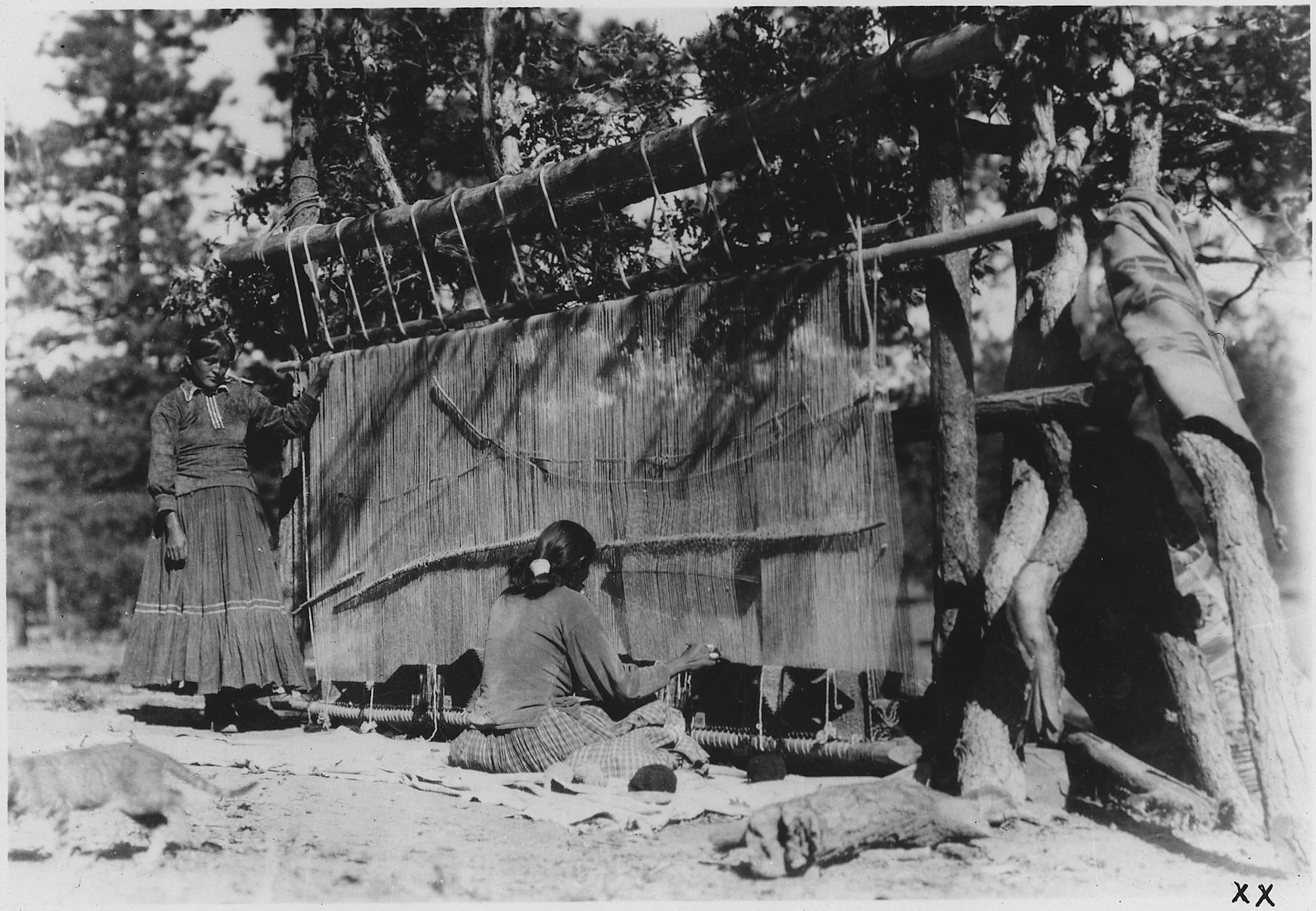
Navajo women weaving a rug c.1930-1938. License.

From coconut palm leaves folded into ceremonial forms in Bali to brown ash splints woven into baskets in Maine and wool blankets woven across the Navajo Nation, a younger generation of artists is returning to textile techniques their ancestors perfected centuries ago. Museums, galleries, and design houses are all taking notice.

WikiCommons

Jeremy Frey. License.

The practice of folding young coconut palm leaves into complex shapes, called menjanur, dates back to at least the 15th century in Indonesia when artisans used the pieces to mark weddings and other rites of passage. Today, the studio Dijanuri on the island of Java is teaching a new wave of artists how to fashion items like tiered pastry stands and hanging lanterns with little more than a carving knife and stapler. In Bali, the design studio Make a Scene has pushed the practice further by building sculptures, wedding sets, and luxury retail installations from coconut palm leaves. Both studios emerged within the last ten years.

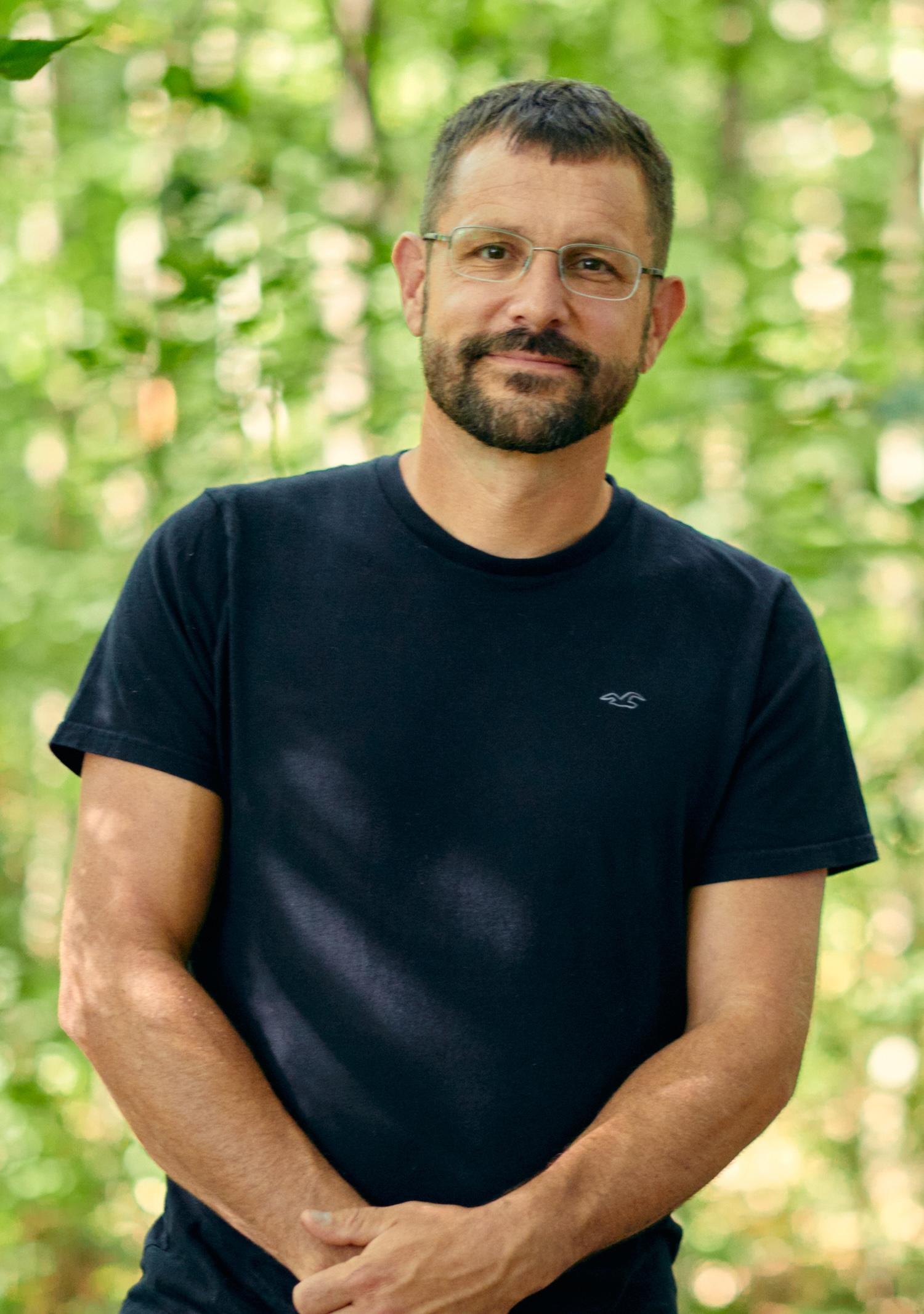
In Maine, Passamaquoddy basketmaker Jeremy Frey has carried a Native American tradition into some of the most prominent institutions in the United States. The seventh generation weaver did not begin weaving until his twenties, when his mother began learning from a Wabanaki elder and passed the practice along. 

Frey now sources and harvests his own ash, a material increasingly threatened by the invasive emerald ash borer, as one of the primary materials for his work. It is mixed with cedar, sweetgrass, and porcupine quills in forms that echo the “fancy baskets” Wabanaki weavers sold to settlers centuries ago. His work has appeared in the Smithsonian American Art Museum, the Metropolitan Museum of Art, the Portland Museum of Art, and the Art Institute of Chicago.

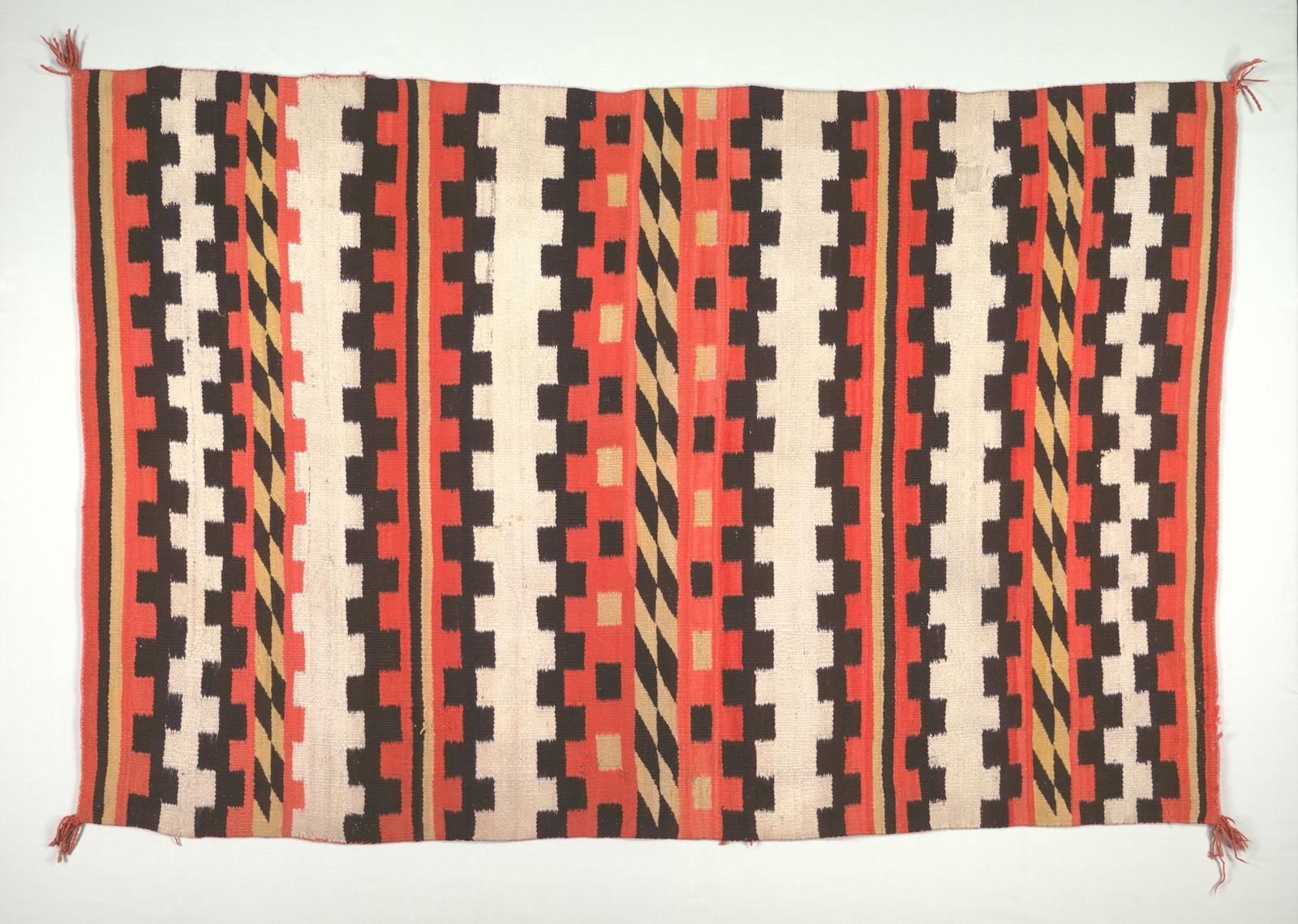
Further south, Navajo weaving carries its own layered colonial history. After the United States military forced thousands of Diné and Nde people to relocate in the 1860s, distinct regional weaving styles emerged to cater to European settlers who stopped at trading posts. These styles have been passed down over generations and finally started to receive their due on a national scale in the last few decades. 
WikiCommons

A Navajo rug in the banded pound blanket style c. 1895-1910. License.

Barbara Teller Ornelas learned to weave during summers away from one of the government’s now-notorious boarding schools for Native American children and has shown work at the National Museum of the American Indian and the British Museum. Contemporary Lola Cody is likewise an award-winning weaver who recently sold a rug to the Crystal Bridges Museum of American Art. Barbara’s son Michael uses his computer science degree to design textiles, while Lola’s daughter Melissa incorporates a mechanized Jacquard loom alongside traditional methods. Both are bringing new life to centuries-old practices.

Additional examples of a textile resurgence among young artists abound. In Mexico, Xaneri Merino leads workshops on backstrap weaving that frame the practice as both craft and resistance to gender conformity. In India, designers like Swati Kalsi are updating ritual textiles for contemporary garments. What was once ceremonial or purely functional is increasingly being reframed as fine art or design, hung on a wall, and introduced to new audiences. The result is a confrontation between the past and the present that forces viewers to contemplate the future of handmade objects in a deeply online era—especially those woven with generations of expertise.

About the Author

Annah Otis

Annah Otis is a New York City-based contributor to Art & Object with a master’s degree in art history. She is also a marketing communications executive.

Subscribe to our free art newsletter!

Webform
Art and Object Marketplace - A Curated Art Marketplace