



The practice of folding young coconut palm leaves into complex shapes, called menjanur, dates back to at least the 15th century in Indonesia when artisans used the pieces to mark weddings and other rites of passage. Today, the studio Dijanuri on the island of Java is teaching a new wave of artists how to fashion items like tiered pastry stands and hanging lanterns with little more than a carving knife and stapler. In Bali, the design studio Make a Scene has pushed the practice further by building sculptures, wedding sets, and luxury retail installations from coconut palm leaves. Both studios emerged within the last ten years.
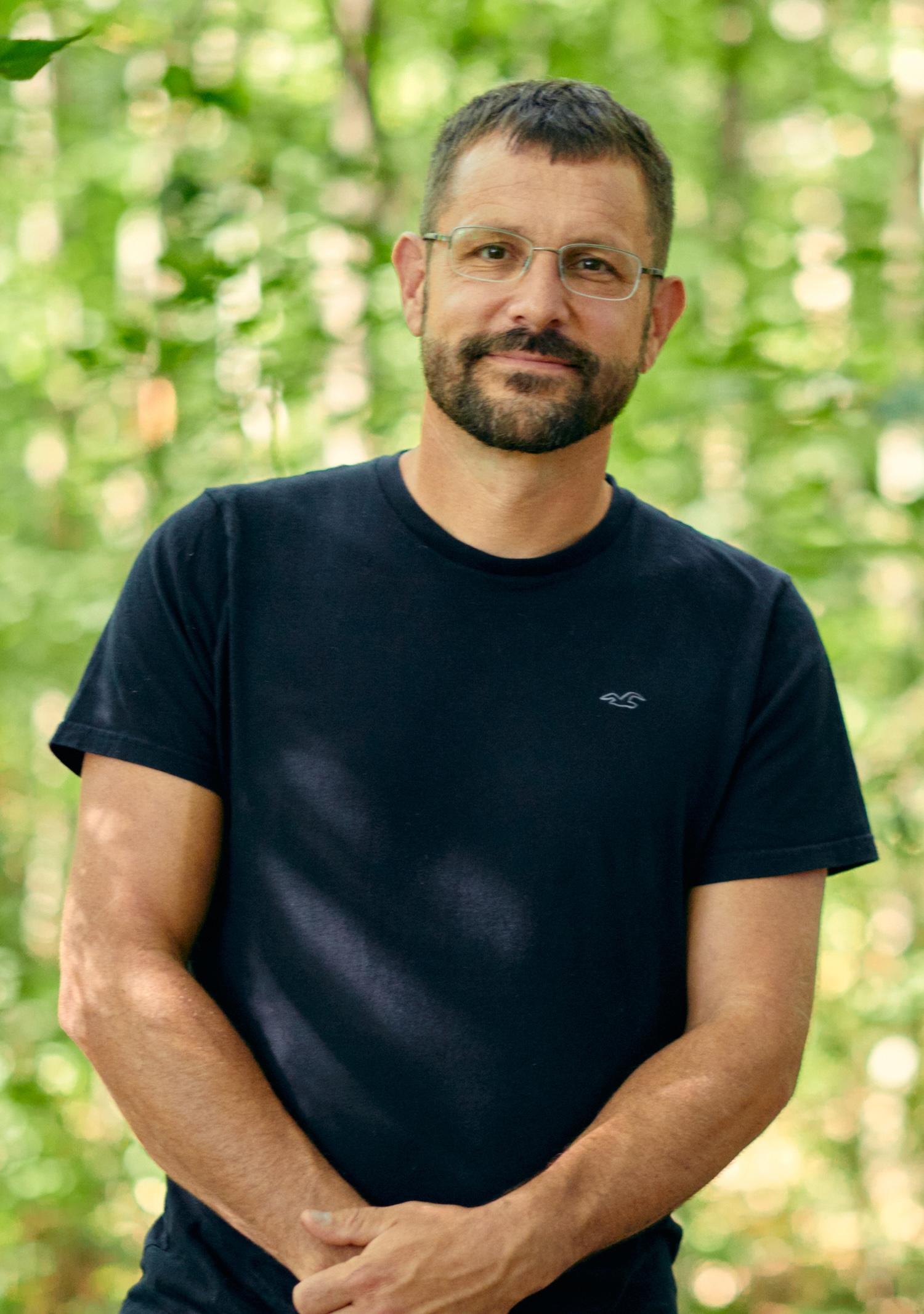
In Maine, Passamaquoddy basketmaker Jeremy Frey has carried a Native American tradition into some of the most prominent institutions in the United States. The seventh generation weaver did not begin weaving until his twenties, when his mother began learning from a Wabanaki elder and passed the practice along.
Frey now sources and harvests his own ash, a material increasingly threatened by the invasive emerald ash borer, as one of the primary materials for his work. It is mixed with cedar, sweetgrass, and porcupine quills in forms that echo the “fancy baskets” Wabanaki weavers sold to settlers centuries ago. His work has appeared in the Smithsonian American Art Museum, the Metropolitan Museum of Art, the Portland Museum of Art, and the Art Institute of Chicago.
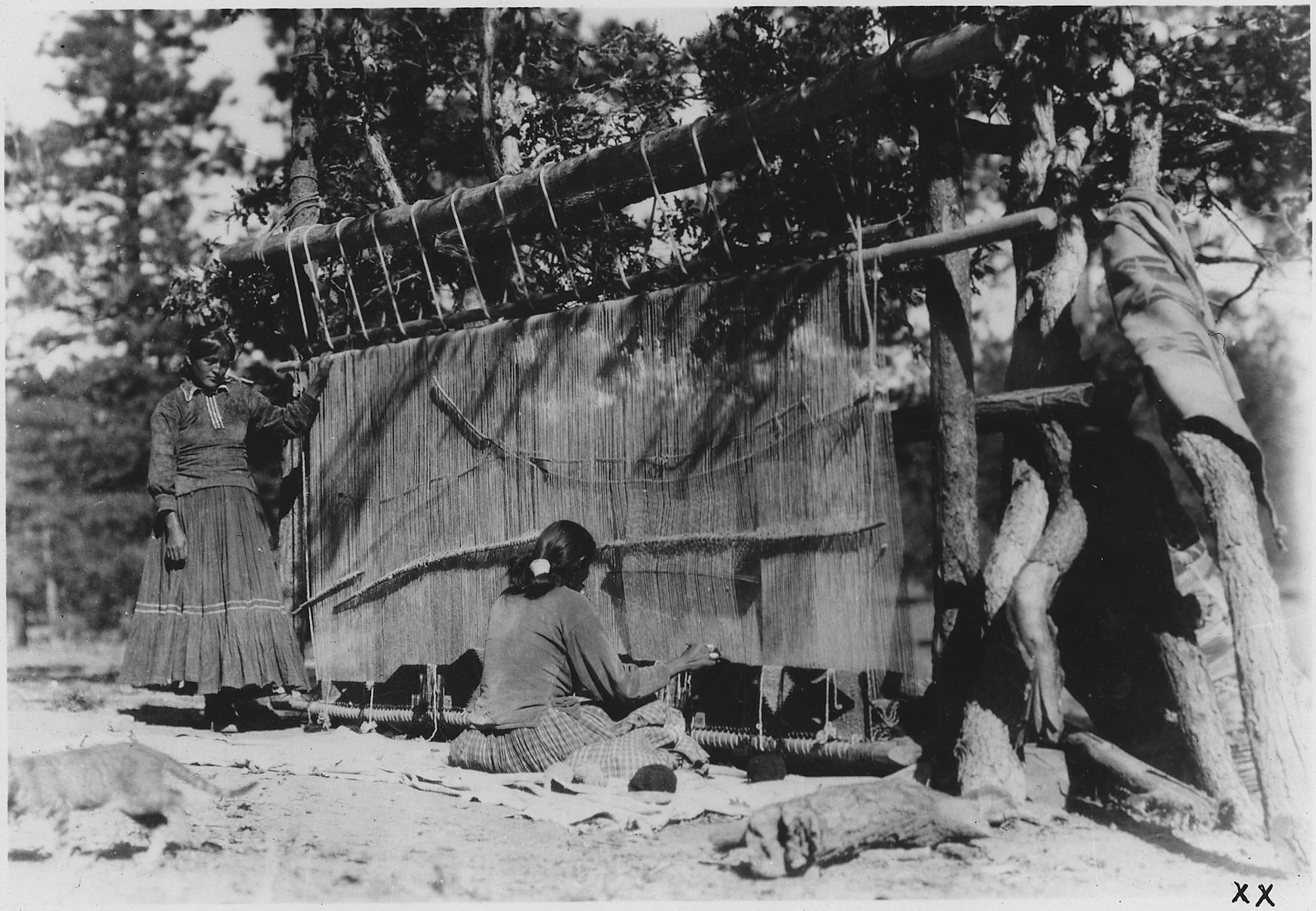
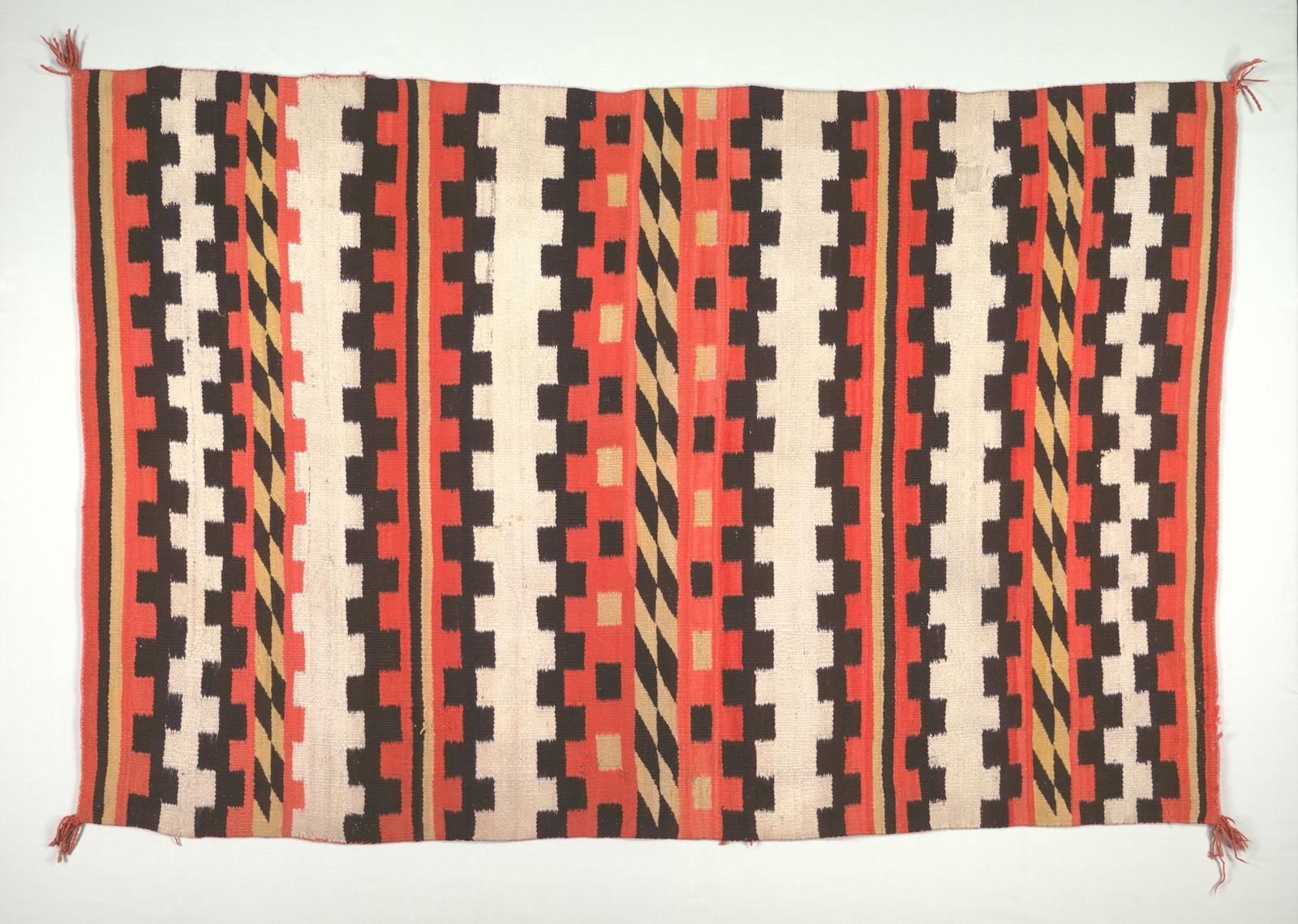
Further south, Navajo weaving carries its own layered colonial history. After the United States military forced thousands of Diné and Nde people to relocate in the 1860s, distinct regional weaving styles emerged to cater to European settlers who stopped at trading posts. These styles have been passed down over generations and finally started to receive their due on a national scale in the last few decades.









_Indians_are..._-_NARA_-_298594.jpg)
.jpg)