Interview  July 6, 2026  Dian Parker

Musa Mayer on Writing, Curation, and the Guston Legacy

© The Estate of Philip Guston. Courtesy the Estate and Hauser & Wirth. Photo by Thomas Barratt.

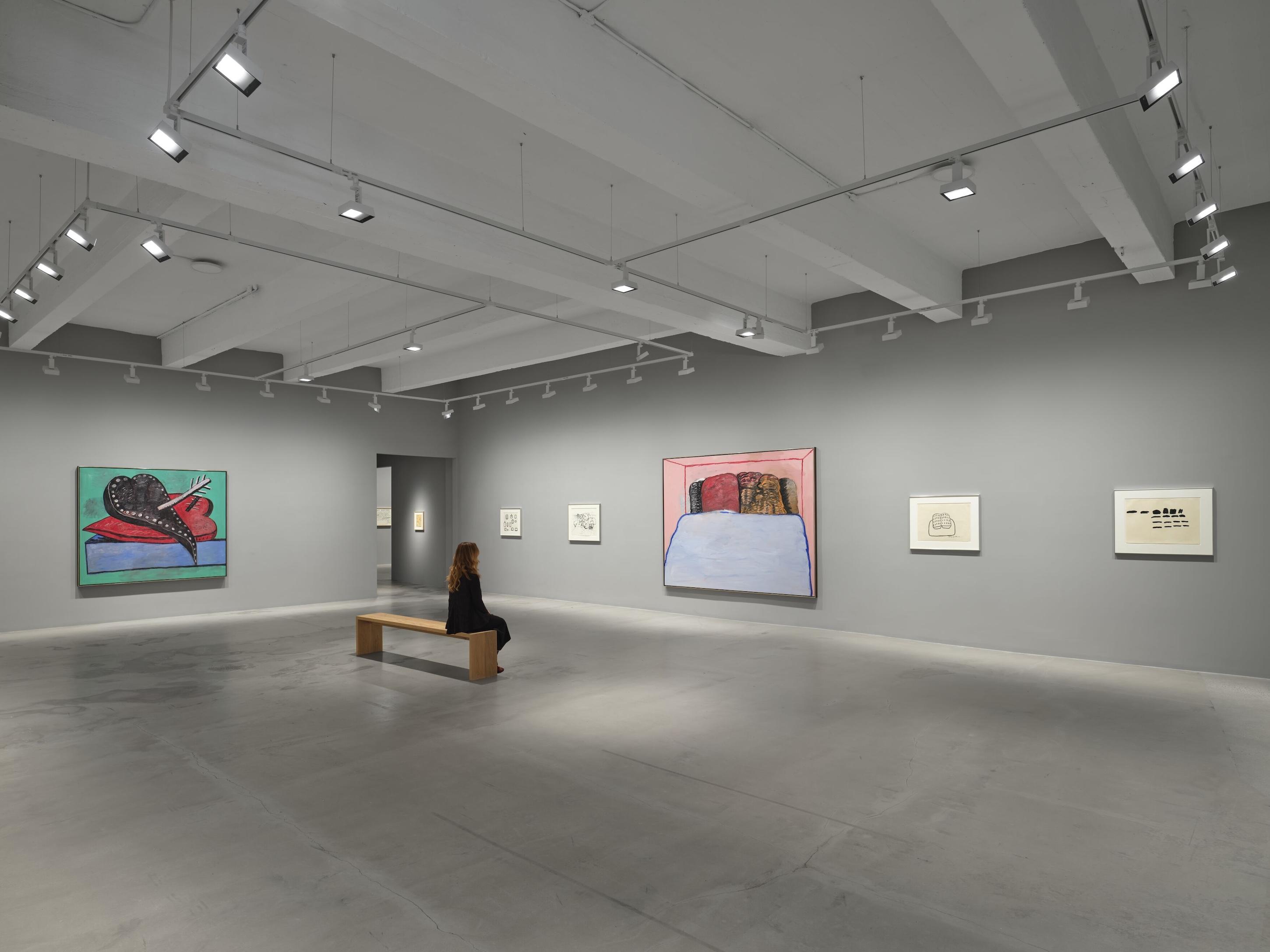
Installation view, Life With P. Philip Guston: Paintings and Drawings 1964-1978, Hauser & Wirth New York,18th Street.

“Painting has to do with how much you can tolerate.” —Philip Guston

To be the daughter of a famous artist who grows in importance year after year is not easy. As the only child of Philip Guston and Musa Jane McKim Guston, Musa Mayer wrote a successful memoir in 1988, Night Studio. In it, she writes of her conflicting emotions: “First, the familiar upswelling of pride that so much acclaim should attach itself to his work… And with this, that simple–by now habitual–transfer of worth from father to daughter, that seductive fool’s gold of borrowed importance I’ve known and traded all my life.” 

She wrote this when she was 45; a year later, she was diagnosed with breast cancer. Since then, she has written two books on the illness and is a passionate advocate for breast cancer patients. She is now the President of the Guston Foundation and has initiated and been closely involved with many Guston exhibitions over the past ten years with Hauser & Wirth in New York, London, Zürich, Los Angeles, and Hong Kong. 

© The Estate of Philip Guston. Courtesy of The Estate of Philip Guston Archives. Photo by Sam Hunter.

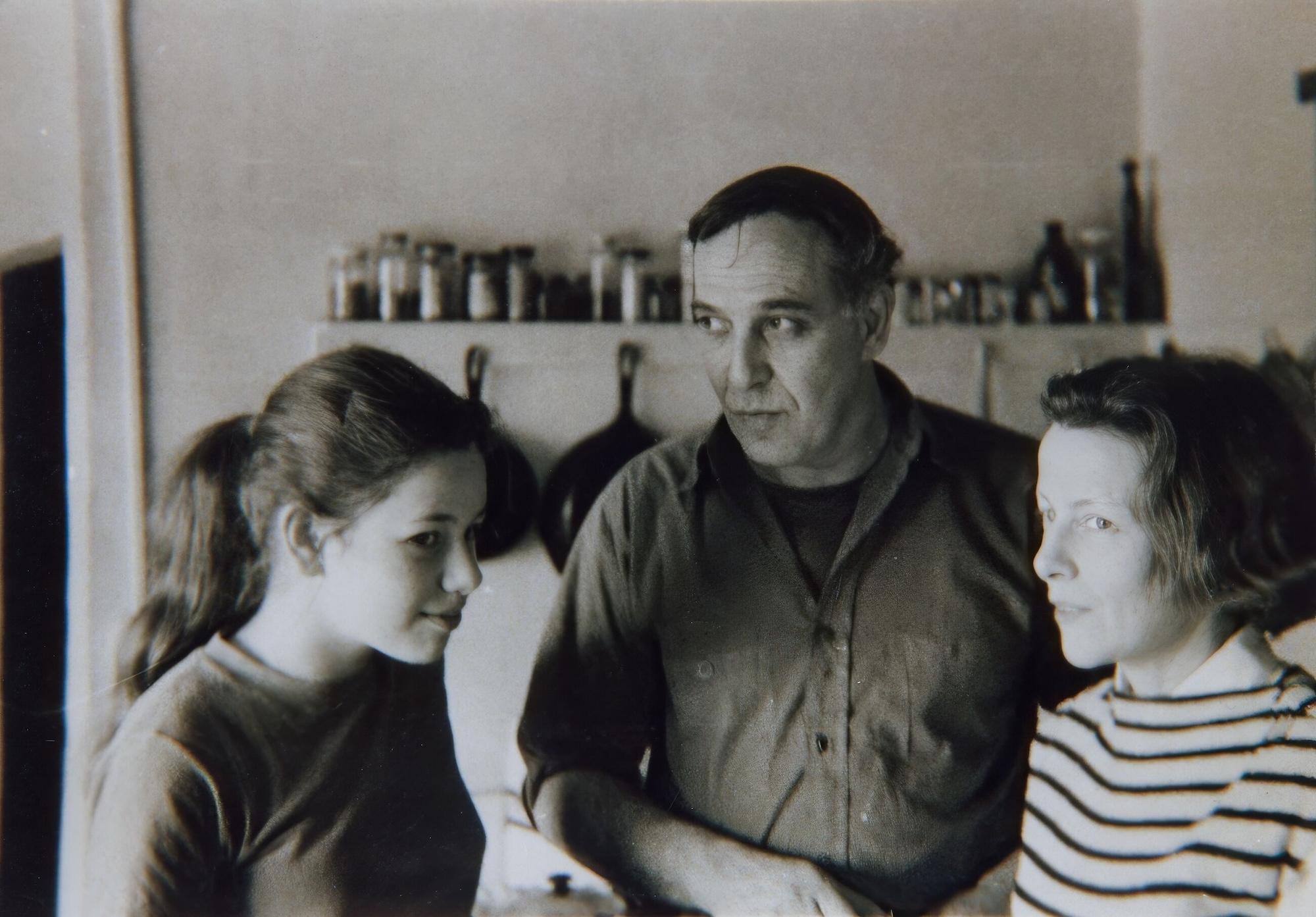
The Gustons in the kitchen, Woodstock, 1956.

Born in 1943 in Iowa where Guston had his first teaching job, Mayer moved East with her parents, spending summers in Woodstock, New York and the rest of the time in New York City. When Art & Object sat down to speak with Mayer on Zoom recently, she was in Woodstock for the summer. She was energetic, astute, and extremely open.

Dian Parker: You are in Woodstock right now and also live in NYC. What’s it like for you to go into your father’s studio

© The Estate of Philip Guston. Courtesy the Estate and Hauser & Wirth. Photo by Matthew Kroening.

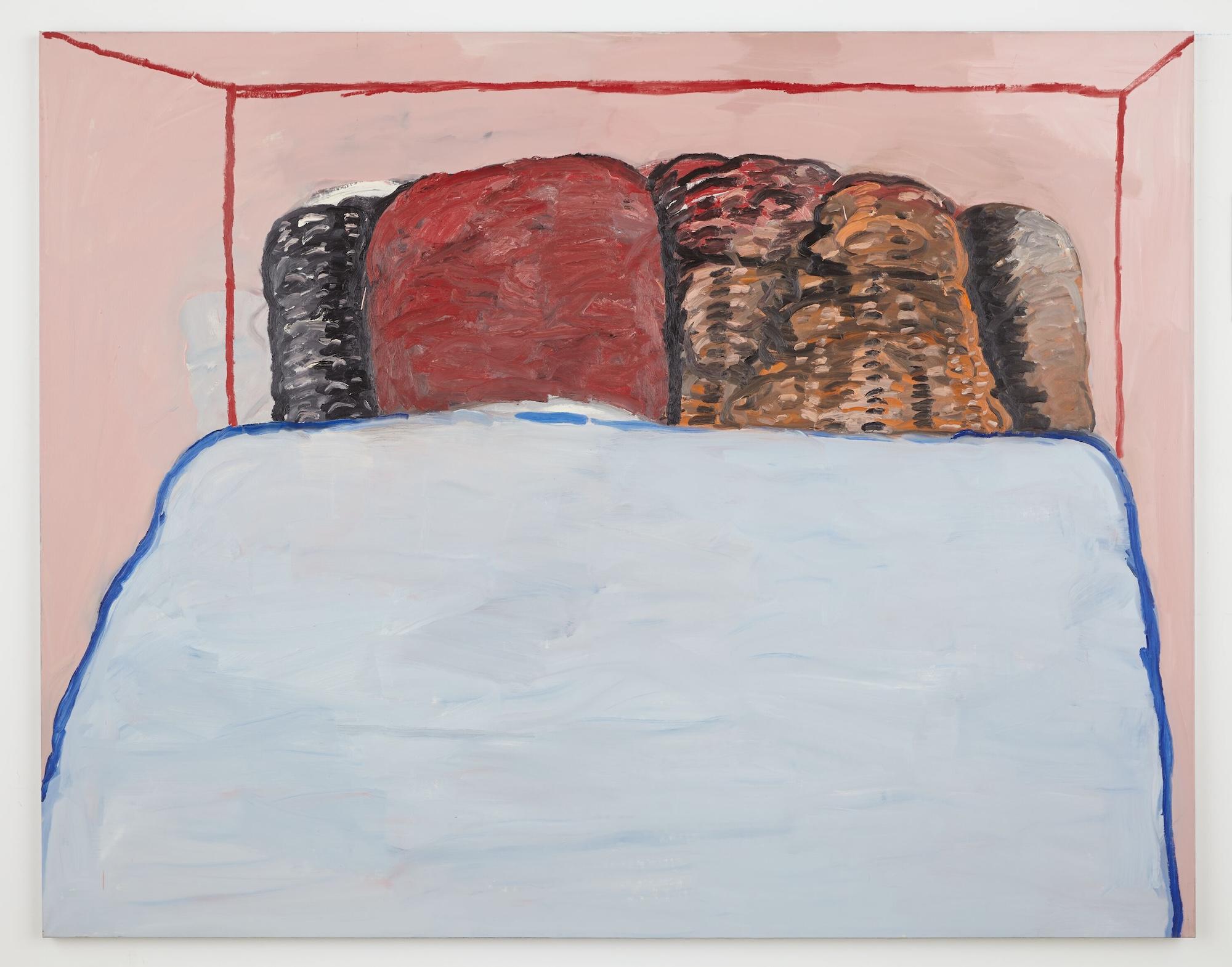
Philip Guston, Blue Cover, 1977, Oil on canvas, 203.2 x 259.1 x 3.2 cm / 80 x 102 x 1 1/4 in. 

Musa Mayer: In the years since my mother’s death in 1992, my husband Tom and I have settled into my parents’ home in Woodstock as our weekend and summer retreat. We’ve tried to keep most of the house and studio as an important part of preserving their legacy. Living here, I feel close to both of them. Being in Woodstock has been part of my life for 75 years, too, so it’s also a return to my years growing up. 

DP: When did you become involved in your father’s legacy? What is your mission? 

MM: I formed The Guston Foundation in 2013 to complete the legacy work of the catalogues raisonné of the paintings and drawings, the archives, and to be more directly responsive to the growing interest in my father’s work, essential during the transition from the McKee Gallery to Hauser & Wirth in 2015. Thanks to our talented staff under the guidance of our executive director, Sally Radic, the catalogue of the paintings is now online, and the catalogue of the drawings, as well as the archives, is well in process. Our innovative website at PhilipGuston.org offers open access to all of the works and related information.

© The Estate of Philip Guston. Courtesy the Estate and Hauser & Wirth. Photo by Sarah Muehlbauer.

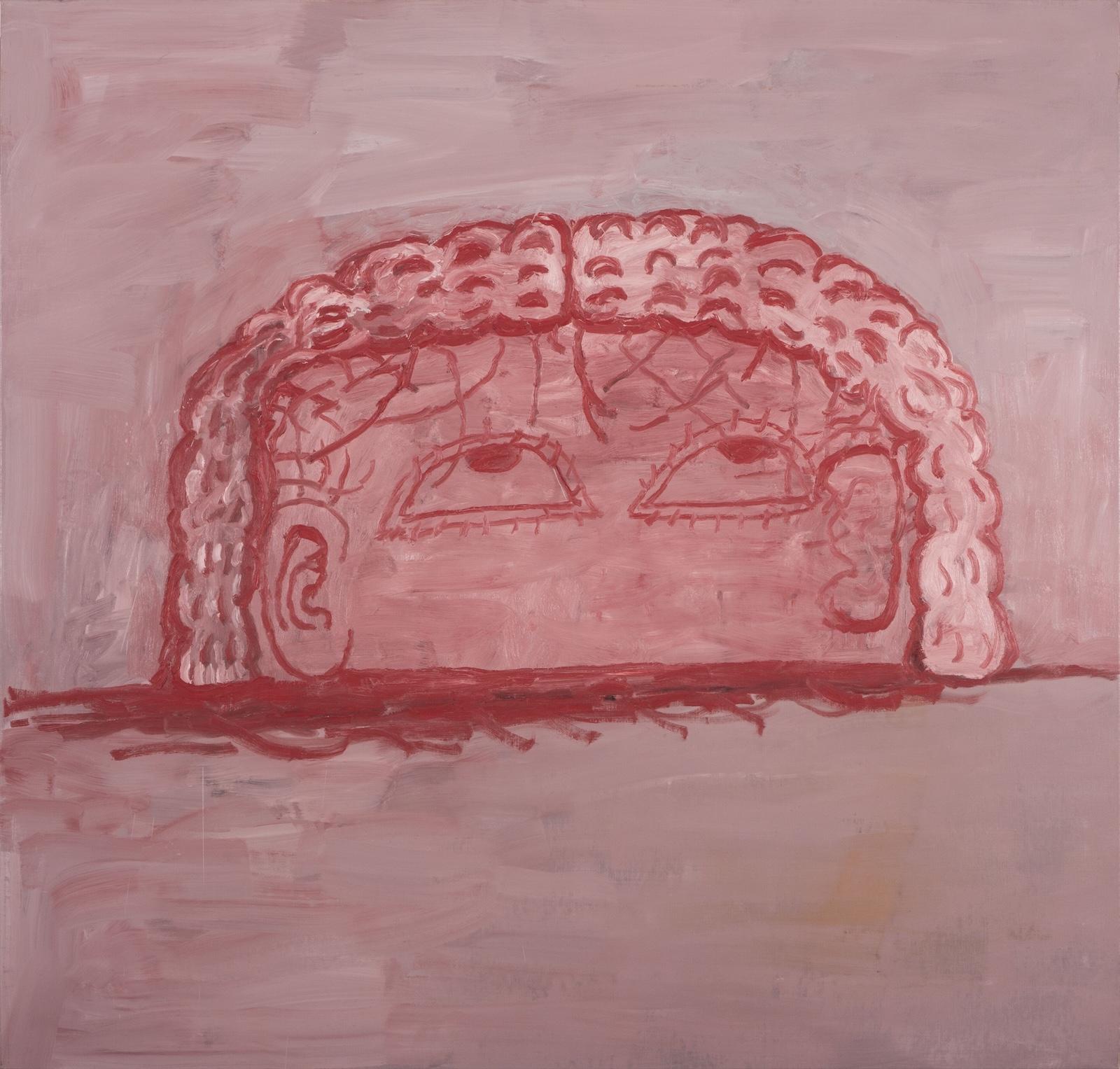
Philip Guston, Untitled, 1976, Oil on canvas, 166.4 x 175.3 cm / 65 1/2 x 69 in.

DP: Recently, you helped mount the exhibit, Philip Guston: Paintings and Drawings 1964-1978. Guston was intensely focused on drawing, what he referred to as his ‘pure drawings.’ 

MM: The works were chosen from illustrations as well as some of the more intimate works that reflected my parents’ lives together during this critical period in my father’s work that roughly corresponds with the entries in my mother’s journals from 1966 to 1976. The exhibition begins a little earlier to illustrate the transition from abstraction to figuration and ends late with some of his more tender depictions of their marriage, encompassing the year following my mother’s stroke in early 1977. Anders Bergstrom, the Hauser & Wirth director most associated with Guston, and I selected the works in the show and their display. 

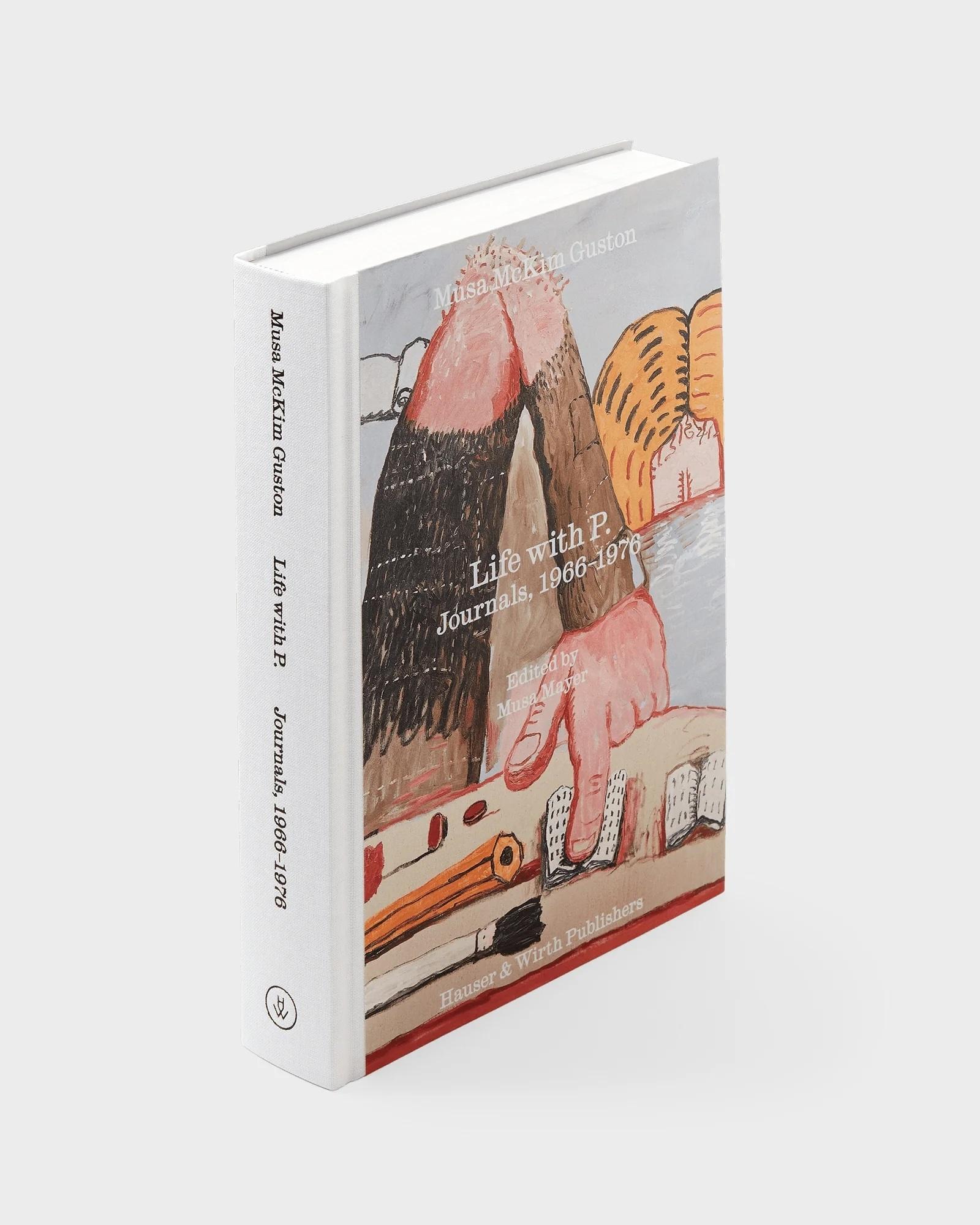
DP: Coinciding with this exhibition is the publication of the book you edited of your mother’s journals, Life with P. Journals, 1966-1976. How did this come about?

MM: I’ve always felt that my mother’s writings ought to be more widely known. I had a small press publish a volume of her poetry and other writings, Alone with the Moon. I’ve always wanted to publish her journals, but it wasn’t until the Guston Foundation staff scanned and organized her notebooks that I felt I could undertake that process. This Guston exhibition that includes some of the works reproduced in Life with P. seemed like a perfect way to launch the book. 

© The Estate of Philip Guston. Courtesy the Estate and Hauser & Wirth. Photo by Sarah Muehlbauer.

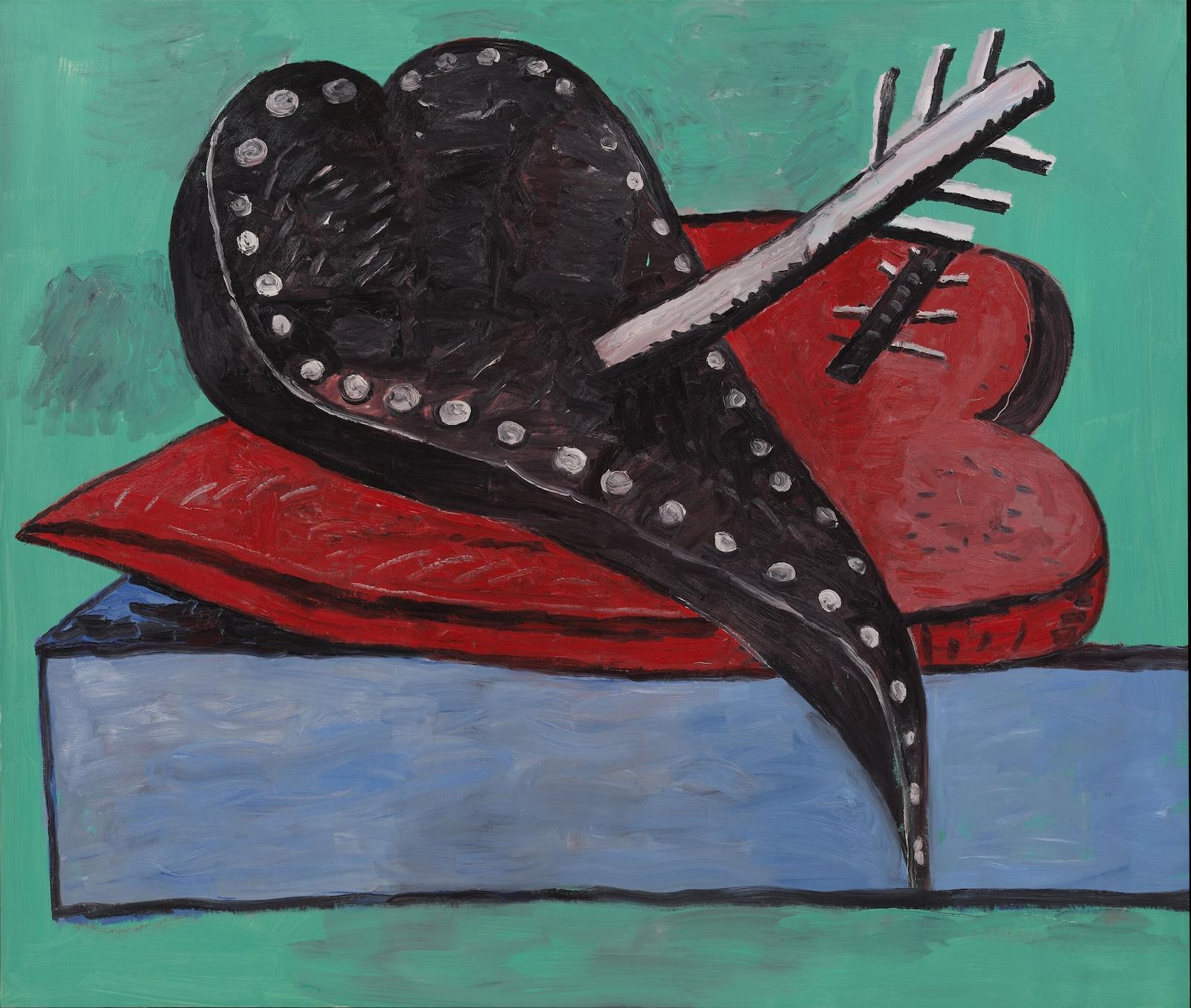
Philip Guston,Two Hearts, 1978, Oil on canvas, 172.7 x 203.2 cm / 68 x 80 in. 
 

DP: Which are the works in the exhibit that have never been shown before? How do they affect you today?

MM: The three large paintings in the first gallery, Blue Cover (1977), Untitled (Musa) (1976)and Two Hearts (1978) have not been previously shown. In museum exhibitions, the demand is always for the best-known and familiar paintings. In my view, the lesser known or unknown works from the same series are no less important. Hanging these three paintings together all relate to my parents’ relationship. I love the intimacy and self-disclosure. 

DP: To see your mother in his paintings, her poems, ephemera, the book of her journals that illustrate her devotion and support of your father–all in full display in a gallery, some on a grand scale–is finally a truthful balance by putting your mother right alongside the famous artist. As he said, “There is nothing to do now but paint my life — Dreams, surroundings, predicament — desperation, Musa — love — need…”


© The Estate of Philip Guston. Courtesy the Estate and Hauser & Wirth. Photo by Thomas Barratt.

Installation view, Life With P. Philip Guston: Paintings and Drawings 1964-1978, Hauser & Wirth New York,18th Street.

MM: My father was preoccupied with her, especially after they got back together and after her stroke. If you look at the major exhibitions on the website of his last works, you will see what I mean. What is new for me are the more modest drawings and affectionate devotion of the poem-pictures. You are right that this goes a long way toward creating a balance and a truth. My work with the Guston legacy could not be complete without clarifying my mother’s contribution, to go beyond talking about it, to show her in as full a way as I can through her own work. While her drawings and paintings are not in the exhibition, many of them are in the book to complement her observations and revelations of their lives together. I am so happy that this book is being read and appreciated. It was truly a labor of love for me. 

40.744271863681, -74.0051602

Philip Guston: Paintings and Drawings 1964-1978
Start Date:
April 21, 2026
End Date:
July 10, 2026
Venue:
Hauser & Wirth
About the Author

Dian Parker

Dian Parker’s essays have been published in numerous literary journals and magazines. She ran White River Gallery in Vermont, curating twenty exhibits, and now writes about art and artists for various publications. She trained at the Royal Academy of Dramatic Art in London. To find out more, visit her website

Subscribe to our free art newsletter!

Webform
Art and Object Marketplace - A Curated Art Marketplace