
Museum  September 16, 2026  Annah Otis

The Contested National Museum of the American Latino Finds a Home

WikiCommons

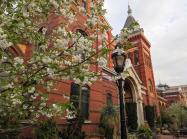
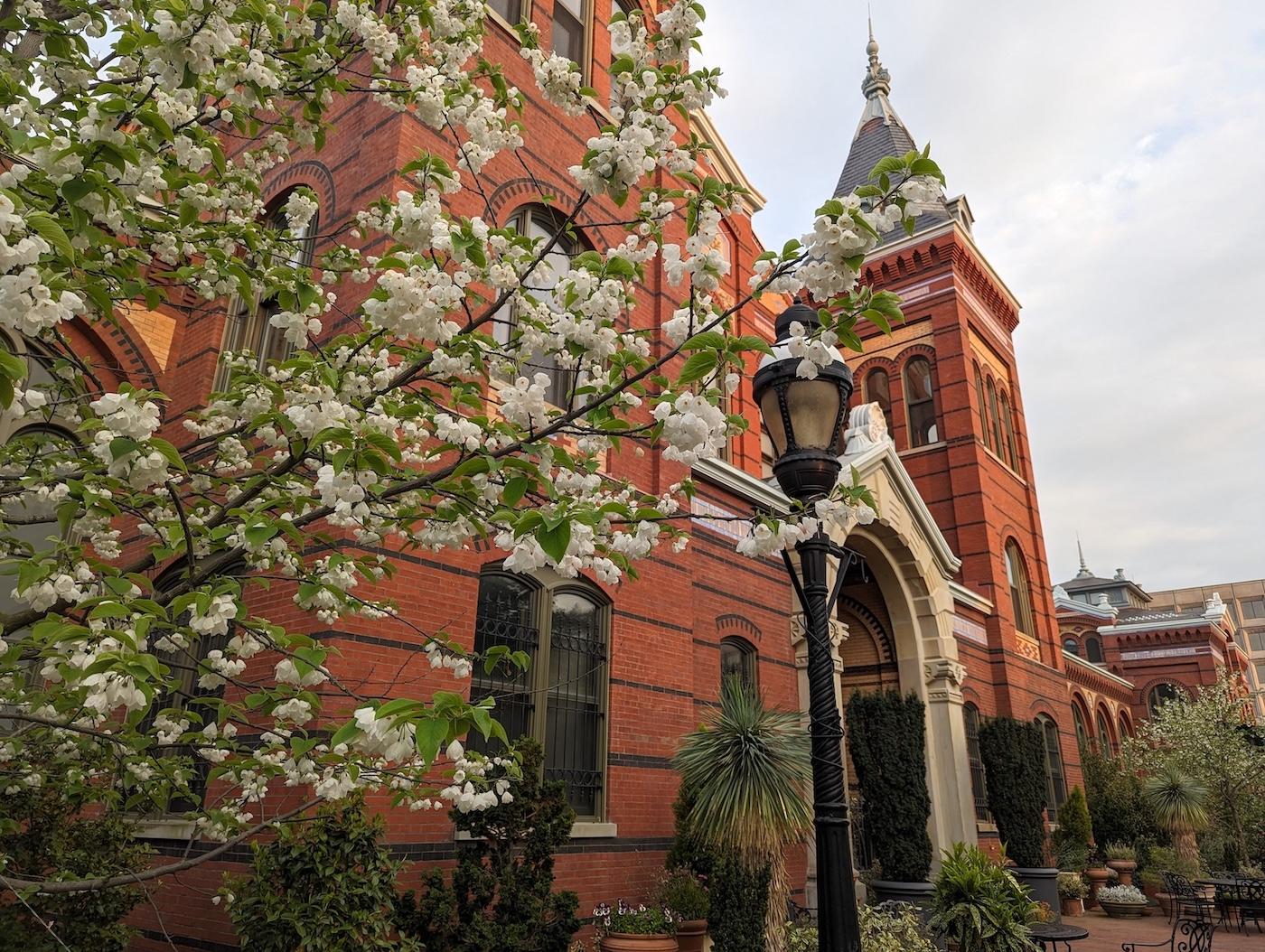
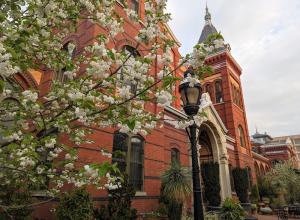
Entrance to the Smithsonian Arts and Industries Building from the Haupt Garden, 2024. License.

After years of deliberation and delay, the National Museum of the American Latino (NMAL) has found a home in the Arts and Industries Building, a 145-year-old redbrick Victorian structure sitting between the iconic Smithsonian castle and the Hirshhorn Museum on the National Mall. The decision was dictated as much by the Smithsonian’s ongoing struggles with the current presidential administration as by the building’s suitability.

Of the other sites under consideration for the six-year-old institution, all were controlled by the National Park Service, which would have required sign-off from a Republican-controlled Congress that has grown openly hostile to the project. Converting an existing Smithsonian-owned building instead of constructing on Park Service land allowed the NMAL to sidestep years of fighting. President Trump’s executive budget already stripped funding for a standalone Latino museum earlier this year in favor of a decentralized “Latino Center” that would scatter exhibitions across the Smithsonian’s other museums rather than give the community a dedicated building.

WikiCommons

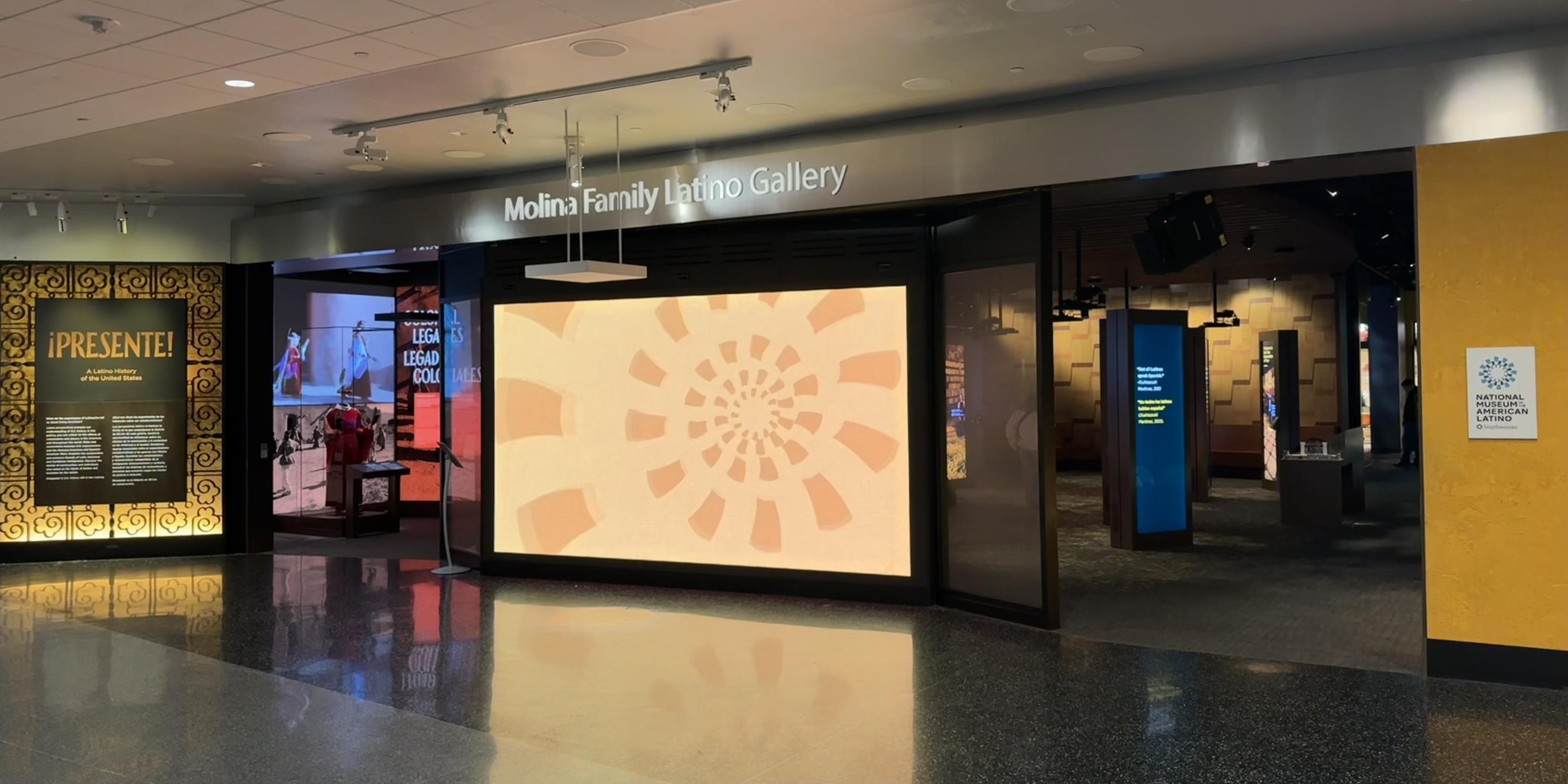
The entrance to a National Museum of the American Latino exhibit within the National Museum of American History. License.

After Congress authorized the museum in 2020, NMAL opened a temporary gallery inside the National Museum of American History two years later, where it has mounted a total of two exhibitions. The first was a survey of Latino history, and the second is a salsa music-themed show that opened in spring 2026 to align with the Smithsonian’s 250th anniversary programming. NMAL also organized a public event celebrating Mexican American low-riding car culture in 2025 and operates an ongoing traveling exhibit.

But, even this modest footprint has drawn political backlash. In 2023, an effort led by Latino Republican members of Congress sought to eliminate the museum’s funding outright, because they felt it presented a negative version of Latino history that over-emphasized grievances and challenges. The 2026 “Saving America’s Story” report likewise called out NMAL’s history survey show as an example of “ideological capture.” Supporters counter that acknowledging struggle alongside triumph is simply what honest history looks like.

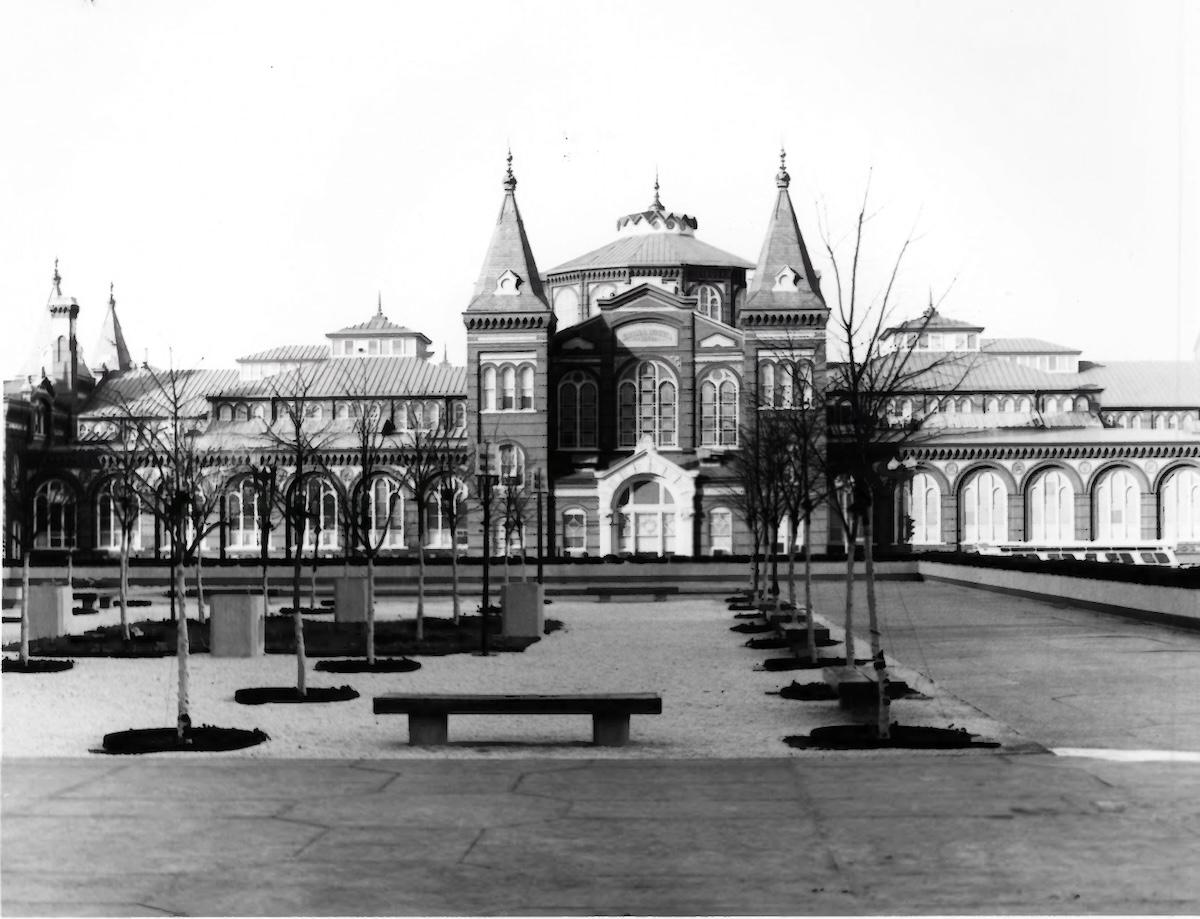
The Arts and Industries Building brings its own complicated history to the equation. Opened in 1881 as a place for developing museums to incubate their collections, it closed in 2004 as a result of structural problems and underwent a $55 million stabilization project that was only completed earlier this year. The building was previously overlooked due to concerns that its relatively small exhibition spaces could only be expanded underground.
WikiCommons

The Arts and Industries Building in 1971. License.

Retrofitting the space for a modern museum is expected to cost around $1 billion. Half will likely come from federal sources, and the other half will need to be secured via private donations, of which the museum has raised a total of $72 million to date.

Standing in the shadows of NMAL’s decision on a permanent home is the American Women’s History Museum’s (AWHM) less triumphant efforts. The Smithsonian originally pursued sites for the two museums in tandem, and with one half of that equation solved, AWHM’s future remains in limbo. It will likely be years before legislation can be pushed through to secure and finance an appropriate building. In the meantime, the National Mall’s finite real estate is only becoming more contested as the Trump administration plans for the National Garden of Heroes near the Lincoln Memorial.

In an era of heightened political and cultural tension, the Smithsonian continues to demonstrate institutional improvisation under pressure. The NMAL’s adoption of the Arts and Industries Building is the latest example of that.

About the Author

Annah Otis

Annah Otis is a New York City-based contributor to Art & Object with a master’s degree in art history. She is also a marketing communications executive.

Subscribe to our free art newsletter!

Webform
Art and Object Marketplace - A Curated Art Marketplace