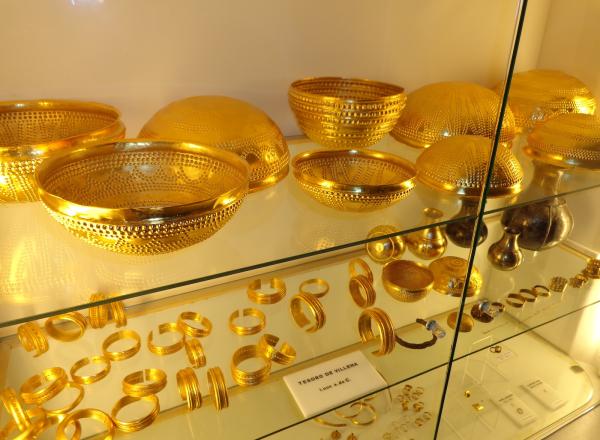
The summer of 2026 has been an unusually successful one for museum thieves as European institutions grapple with a rising number of break-ins and heists.
Art News
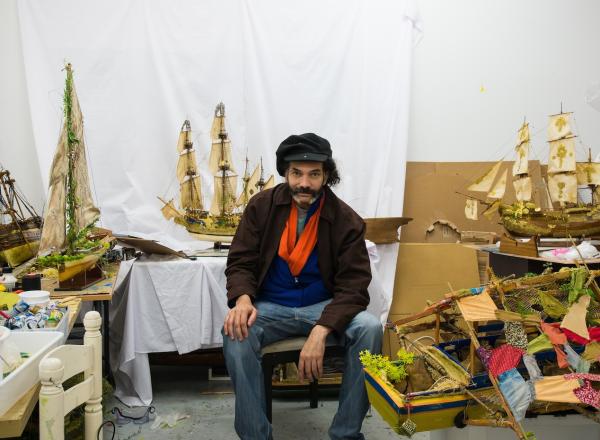
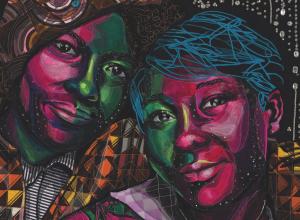
Internationally renowned, award-winning Guyanese-British sculptor and visual artist Hew Locke (b. 1959) has a solo exhibition opening at P·P·O·W in New York City. For over four decades, Locke’s richly detailed, beautifully riveting, densely imagined work has explored colonialism, identity, and history through powerfully evocative imagery.
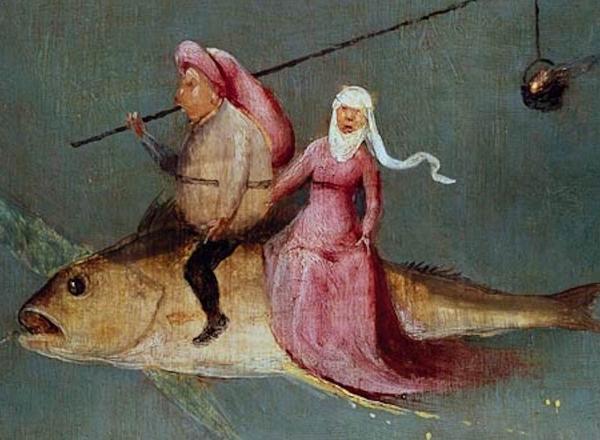
The artist used traditional symbols but also created his own, referencing the Bible and Flemish folklore to create unique visual manifestations of established metaphors and puns.
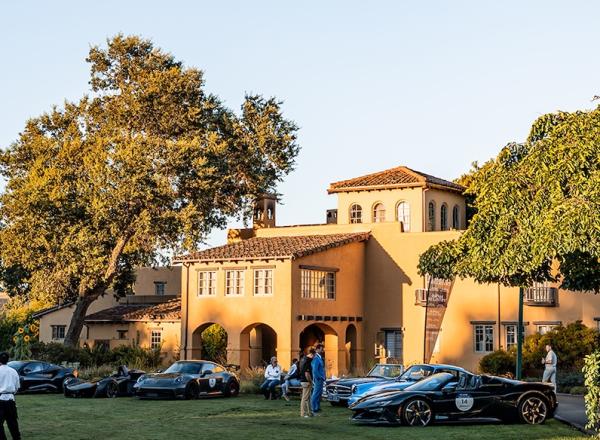
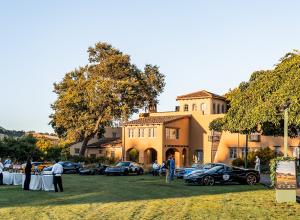
As car enthusiasts perused hundreds of unique vehicles along the Carmel coast, five auction houses sold a record $762 million in collector machines during Monterey Car Week this August, far exceeding the previous $471 million high set in 2022.
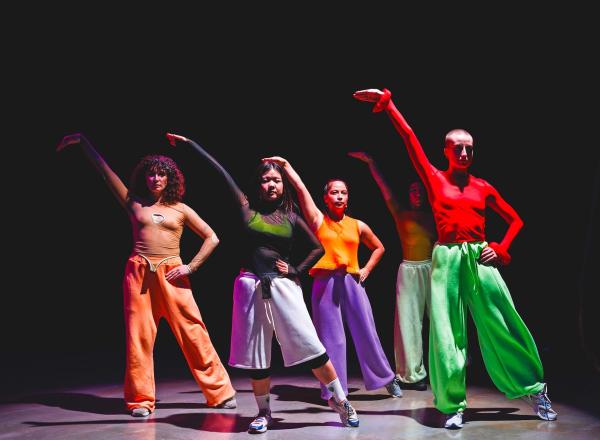
In its third iteration, a six-person variation of anyyywayyy whatever was commissioned and performed at Amant in Brooklyn near the start of the autumnal equinox season. The artist is Barnett Cohen, who previously choreographed and wrote versions of this performance for Performissima at the Centre Wallonie Bruxelles (CWB) in Paris and theKunsthall Trondheim in Norway, both in 2024.
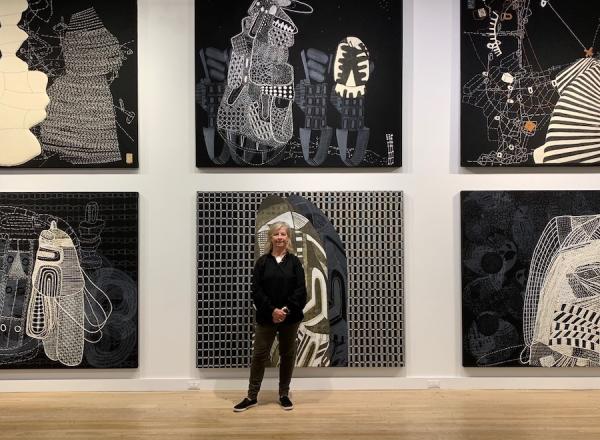
It had been seven years since this writer first heard the distinctive Aussie-inflected English of innovative master printmaker Sarah Amos.
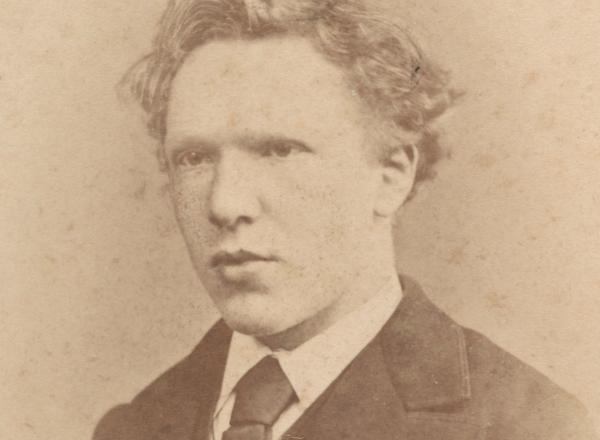
Vincent van Gogh (1853-1890) is one of history's best-known artists. Despite struggles with depression and psychosis Van Gogh became a master of Post-Impressionism. Van Gogh paintings like The Starry Night dazzle and inspire anyone lucky enough to see them in person. The artist's colorful life and paintings make him a tragic yet compelling figure to modern audiences.
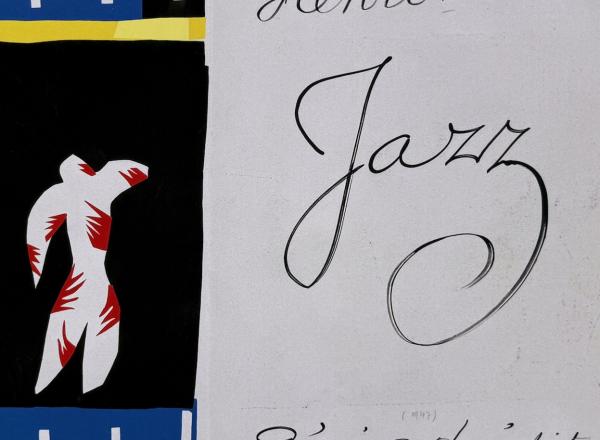
Eight prints from Henri Matisse’s celebrated 1947 Jazz series, valued at about $190,000, are back in the hands of Brazilian authorities after being recovered from an apartment in a suburb of São Paulo.

Caspar David Friedrich, like other Romantic painters, established landscape paintings as a dominant genre in Western art. Friedrich’s coming of age was during a time when materialistic society began to favor spirituality. The artist followed this shift in ideals through expressing the natural world as a divine creation, a separate entity from human civilization. As French sculptor David d’Angers said, he was a man who had discovered “the tragedy of landscape.”
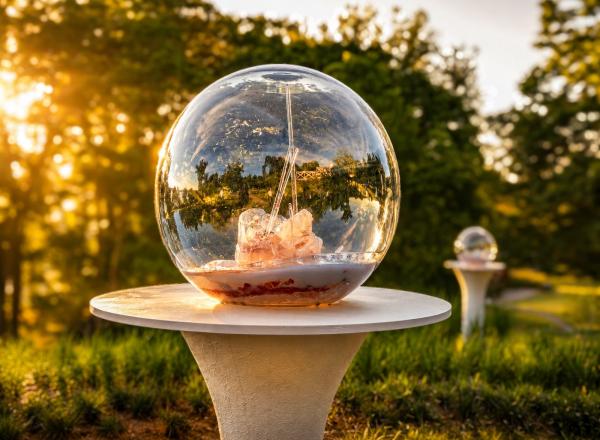
New York–based artist and landscape designer Paula Hayes (1958) just unveiled her first-ever permanent public landscape installation at the Lyndhurst Mansion in Tarrytown, New York. Designated a National Historic Landmark and first designed in 1838 by architect Alexander Jackson Davis, Lyndhurst Mansion was originally built for former New York City mayor William Paulding Jr.