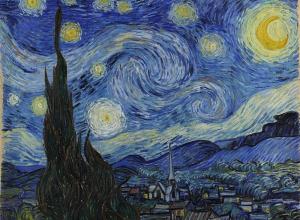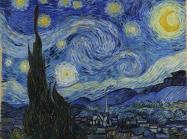

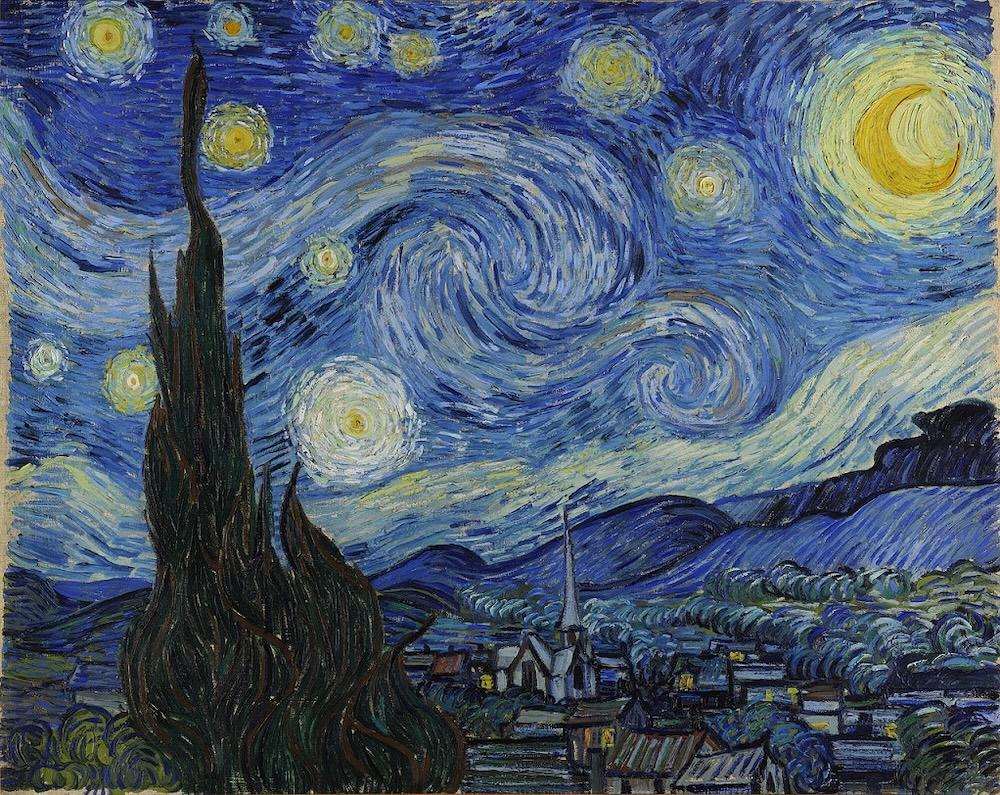
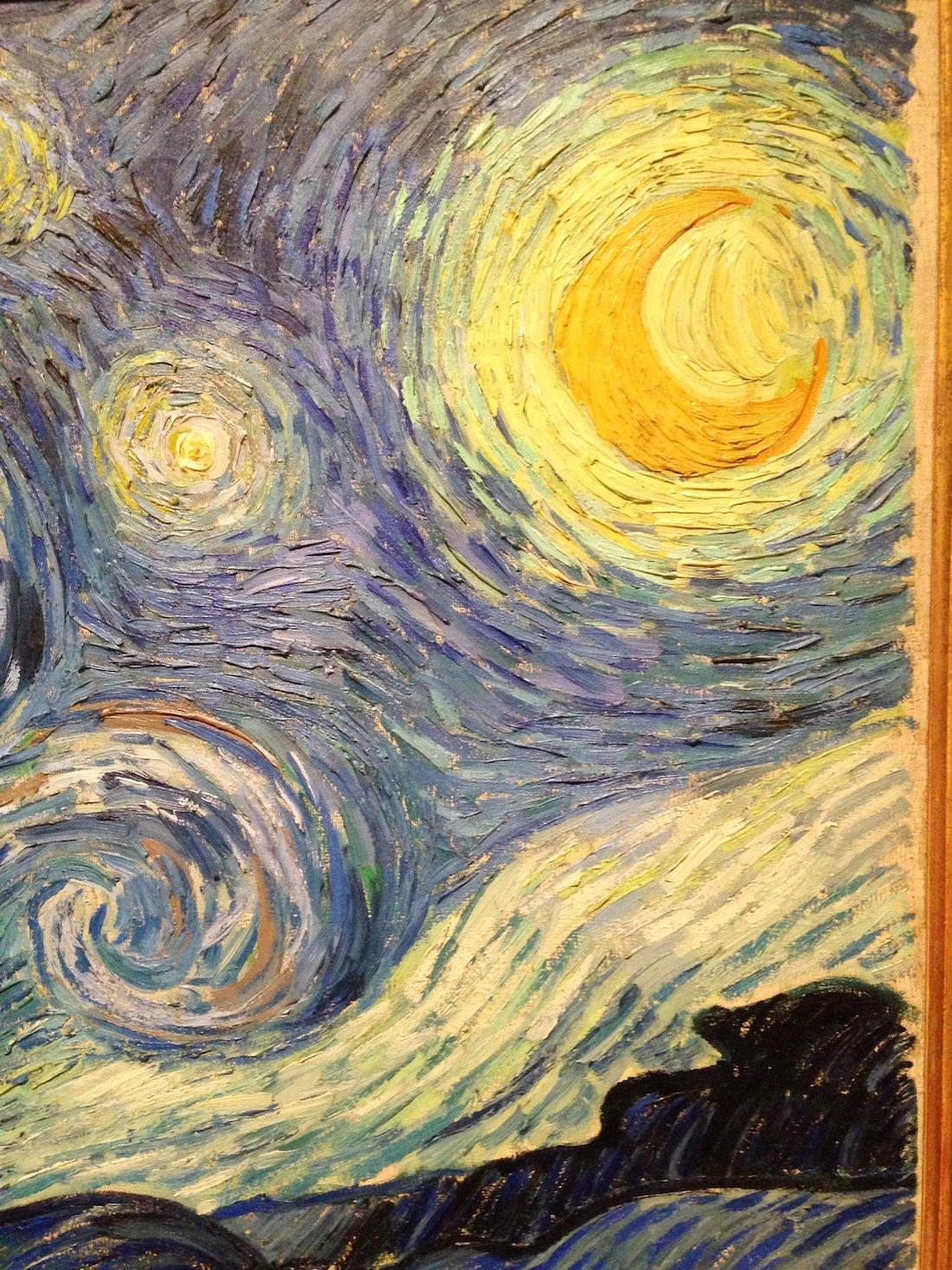
Dating The Starry Night to mid-July forced researchers to reconsider when van Gogh suffered a seizure that left him unable to paint for several weeks that summer. Art historians previously assumed the episode occurred near the middle of July based on undated letters. Kim and his team propose that it transpired in late-July when the weather van Gogh described at the seizure’s onset in a letter to his brother aligns with conditions reported between July 26 and 29. Biographical readings that link the churning sky to the artist’s mental state would then concern a scene captured days before a crisis rather than more than a month ahead of it.
However, even this study’s researchers acknowledged that van Gogh may have conflated several nighttime scenes into one, especially since he painted The Starry Night inside, during the day. This conflation and adjustment of a composition’s elements is also not out of the ordinary. Kim’s team’s findings nonetheless suggest that van Gogh studied the real night sky closely before reimagining it in the studio versus conjuring it purely from imagination.
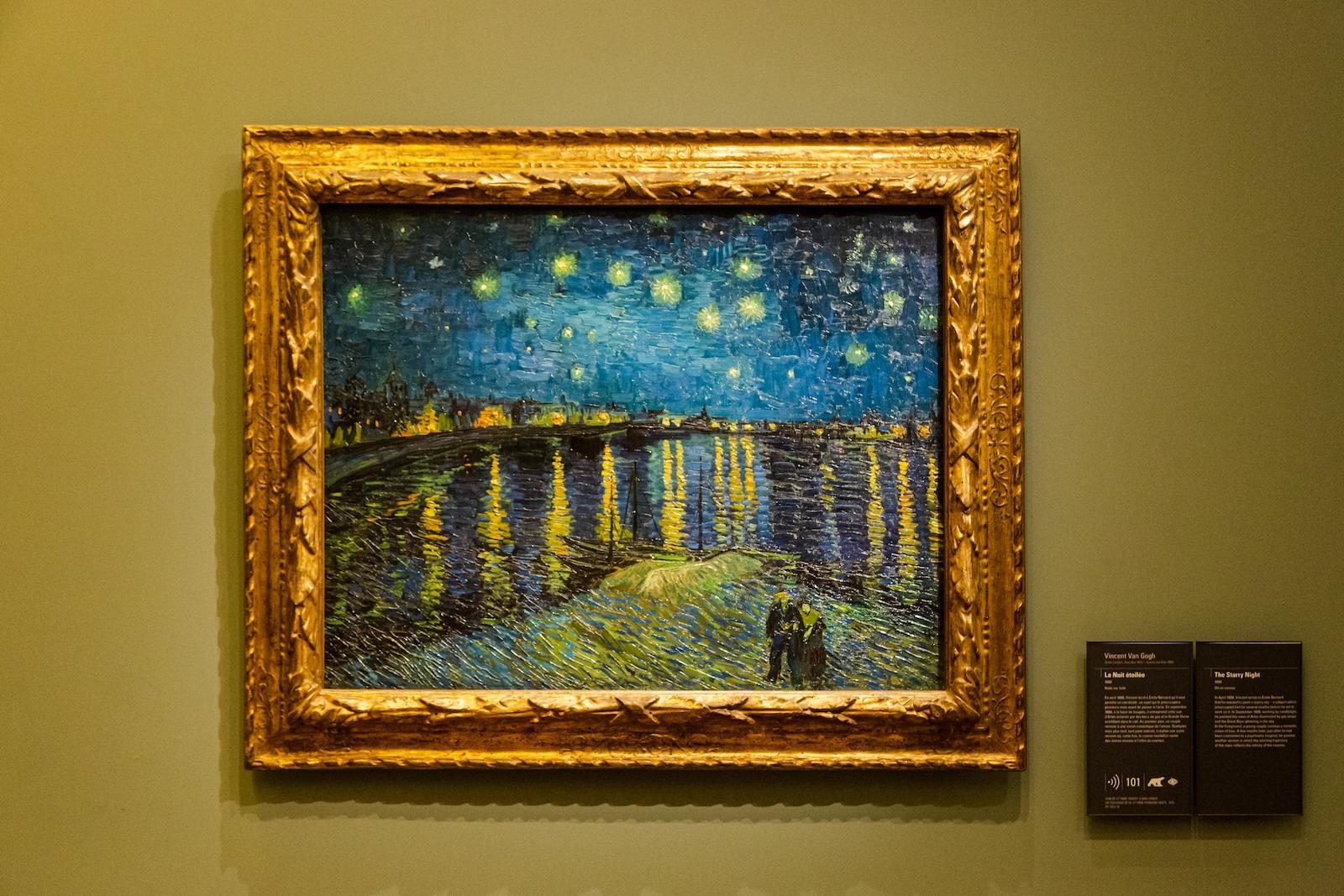
The process described in Scientific Reports likewise has bigger implications for art historical dating. As proof of concept, it was tested on four additional canvases, including Adam Elsheimer’s The Flight into Egypt from 1609 and Jean-Francois Millet’s Starry Night of 1850-1865. The other two paintings were van Gogh’s Starry Night Over the Rhône and Café Terrace at Night from 1888. While the former accurately depicts the Big Dipper as it appeared around September 26 or 28, the latter combined star arrangements from September 14 and 15.