
Originally part of a collection of state heirlooms, the Banjarmasin diamond holds both cultural and economic value for the Indonesian people. It was removed from the country after Dutch troops violently seized control of Banjarmasin and abolished the sultanate in 1859. At that point, it was shipped to the Netherlands and cut from a rough stone into a rectangular gem. Also taken was a handwritten Qur’an once owned by Acehnese resistance figure Teuku Umar, a traditional sword known as the Sikin Panjang, four Aceh Sultanate manuscripts, six Javanese wayang beber scrolls, and numerous tombstones featuring Arabic calligraphy.
Their journey back to Indonesia began when the republic submitted a restitution application to the Dutch Minister of Education, Culture and Science in November 2025. An independent advisory board known as the Colonial Collections Committee evaluated whether existing provenance research was sufficient to confirm the origin of the objects and assessed if involuntary loss of possession occurred under Dutch colonial rule. Their confirmation on both accounts helped facilitate this month’s official restitution agreement.
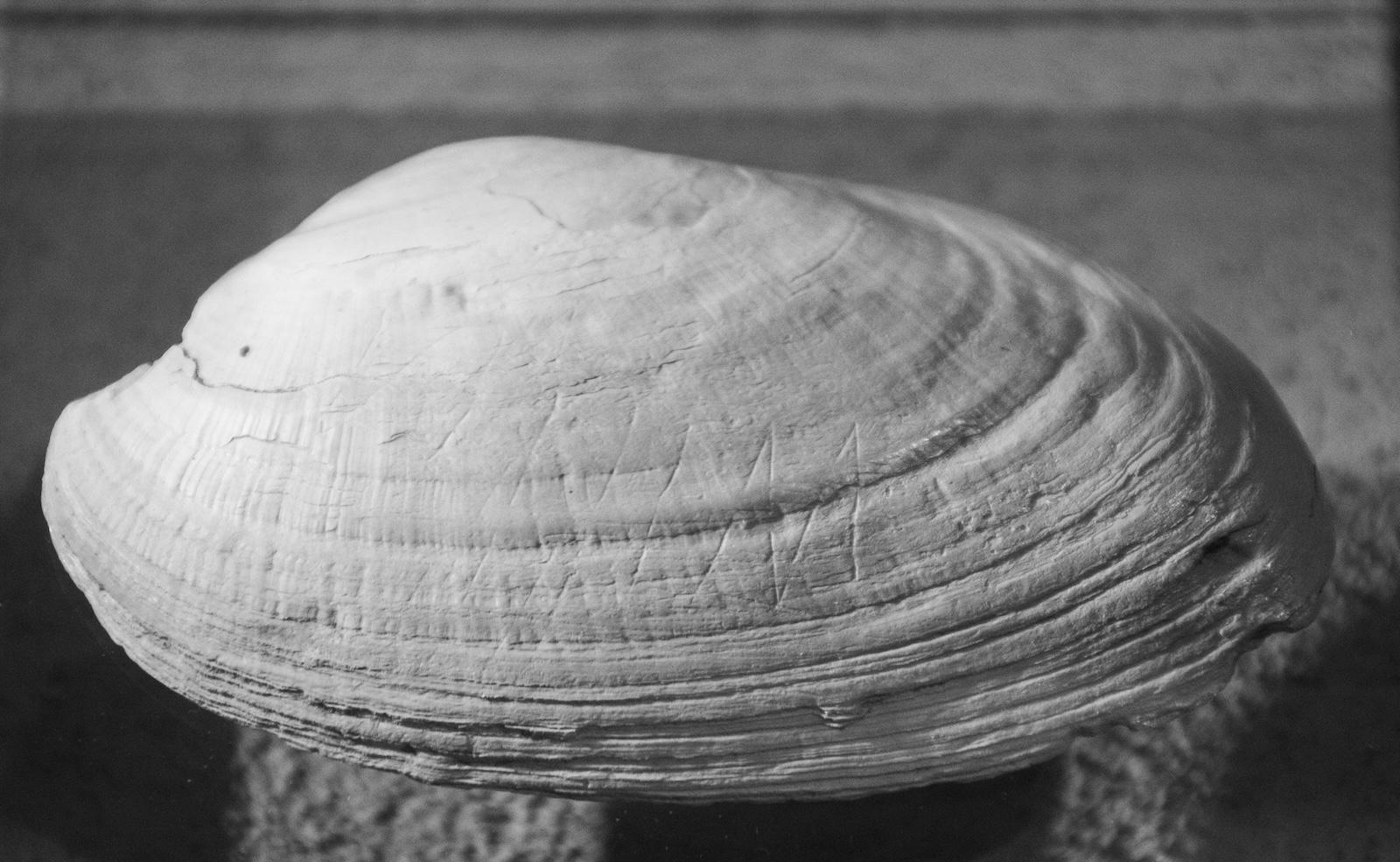
This is the second major return to Indonesia in as many years. In September 2025, it was announced that more than 28,000 fossils from the Dubois collection would be sent back, including a shell with mysterious carvings that may be the world’s oldest known cultural artifact. The prehistoric bones and shells were obtained by Dutch scientist Eugène Dubois in the late 19th century, often by way of forced local labor. Four fossils have been transferred to date, and the rest are anticipated to return to Indonesia soon.
Elsewhere, successful restitution has been facilitated by either the courts or individual institutions holding the objects. The Manhattan District Attorney announced the return of 43 antiquities valued at more than $2.5 million to Turkey in 2025 following investigations into trafficking networks.