
At Large  August 24, 2026  Megan D Robinson

Designing With the Land: Paula Hayes’ New Garden Sculpture

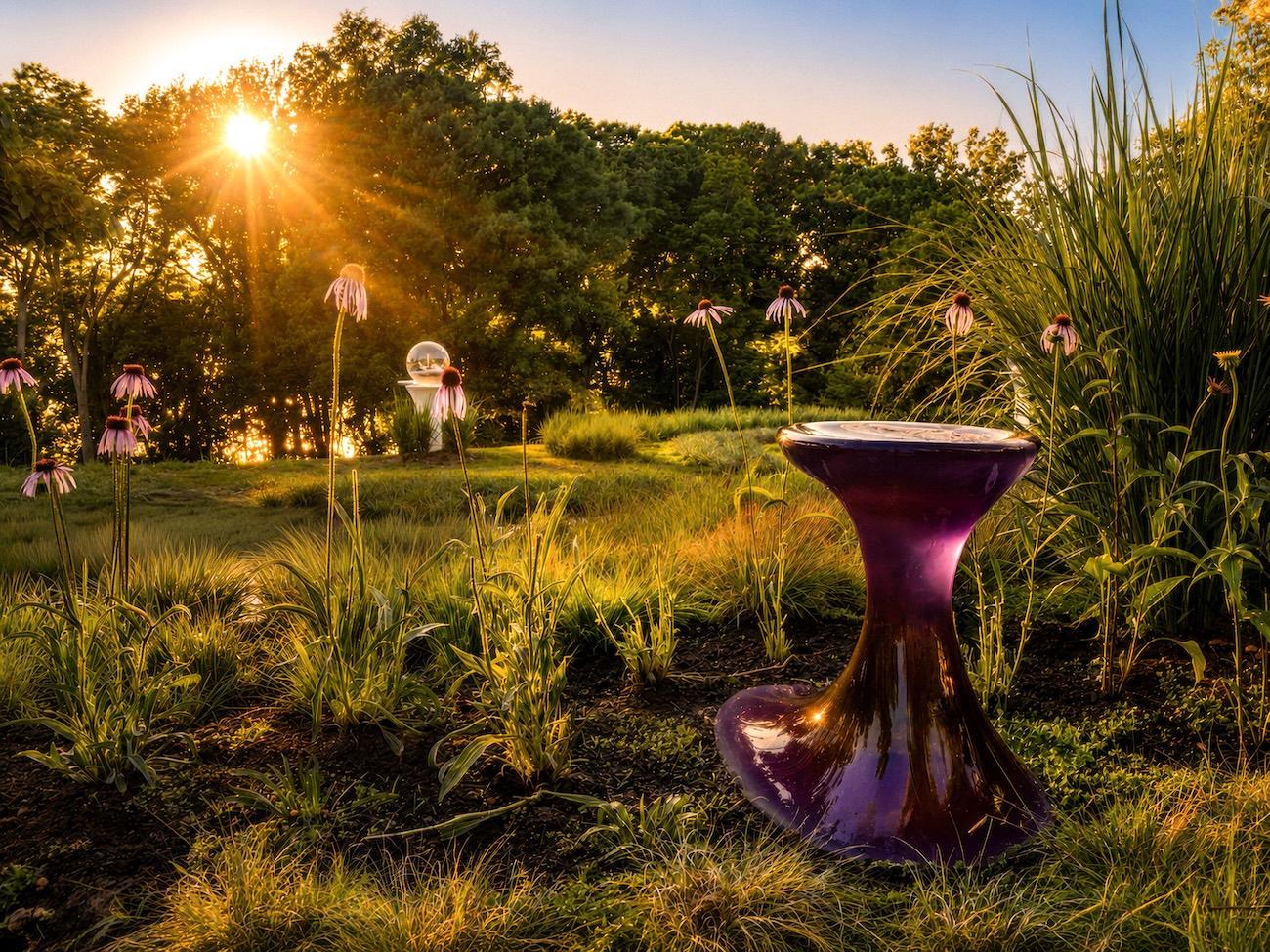
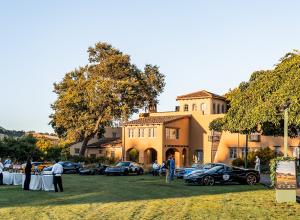
Courtesy of Lyndhurst Mansion. Photo by Clifford Pickett

The Paula Hayes Garden at Lyndhurst, June 2026

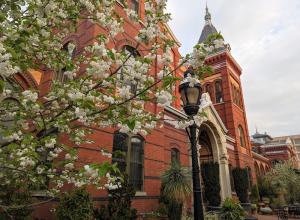
New York–based artist and landscape designer Paula Hayes (1958) just unveiled her first-ever permanent public landscape installation at the Lyndhurst Mansion in Tarrytown, New York. Designated a National Historic Landmark and first designed in 1838 by architect Alexander Jackson Davis, Lyndhurst Mansion was originally built for former New York City mayor William Paulding Jr. 

Courtesy of Paula Hayes

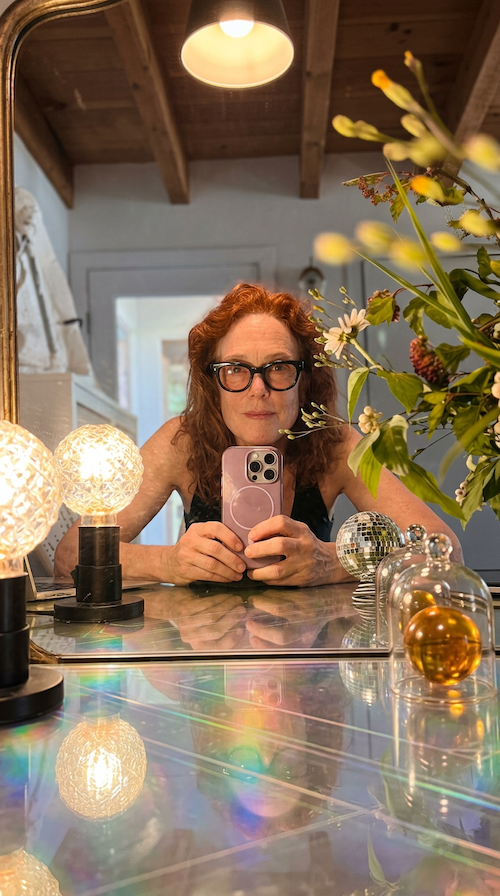
Paula Hayes portrait

This amazing example of Gothic Revival architecture was eventually sold to railroad tycoon Jay Gould in 1880. Gould’s daughter Helen—a committed philanthropist and naturalist—introduced native plants and pollinators to the grounds. One of her first projects, the iconic Overlook Garden, has been redesigned over the last three years by Hayes. Originally designed around a weeping European white birch, which could not be replanted due to climate change, Hayes reimagined the garden using a new picturesque vocabulary rooted in 21st century ecology. 

Active for over 30 years, Hayes is known for terrariums and other living artworks, as well as large-scale land art. Hayes created a sculptural Birdbath for MoMA's Sculpture Garden, constructed the Gazing Globes installation at Madison Square Park, and her new installation Caves and Minds at Crystal Bridges Museum of American Art has been creating quite a stir. 

Fascinated by the interconnectedness and constant transformation of the natural world, her rural childhood made Hayes aware of the beauty and importance of the landscape. She tells Art & Object, “The landscape doesn't let you defend a fixed form; it grows, it decays, it gets moved by weather and by hands that aren't necessarily yours.” Hayes never saw the vulnerability of Earthwork to change, destruction, or transformation as a problem. To her, this “was the point. I became a landscape artist because the territory was open air, and I was never at home in rooms that wanted the work to stay still.”
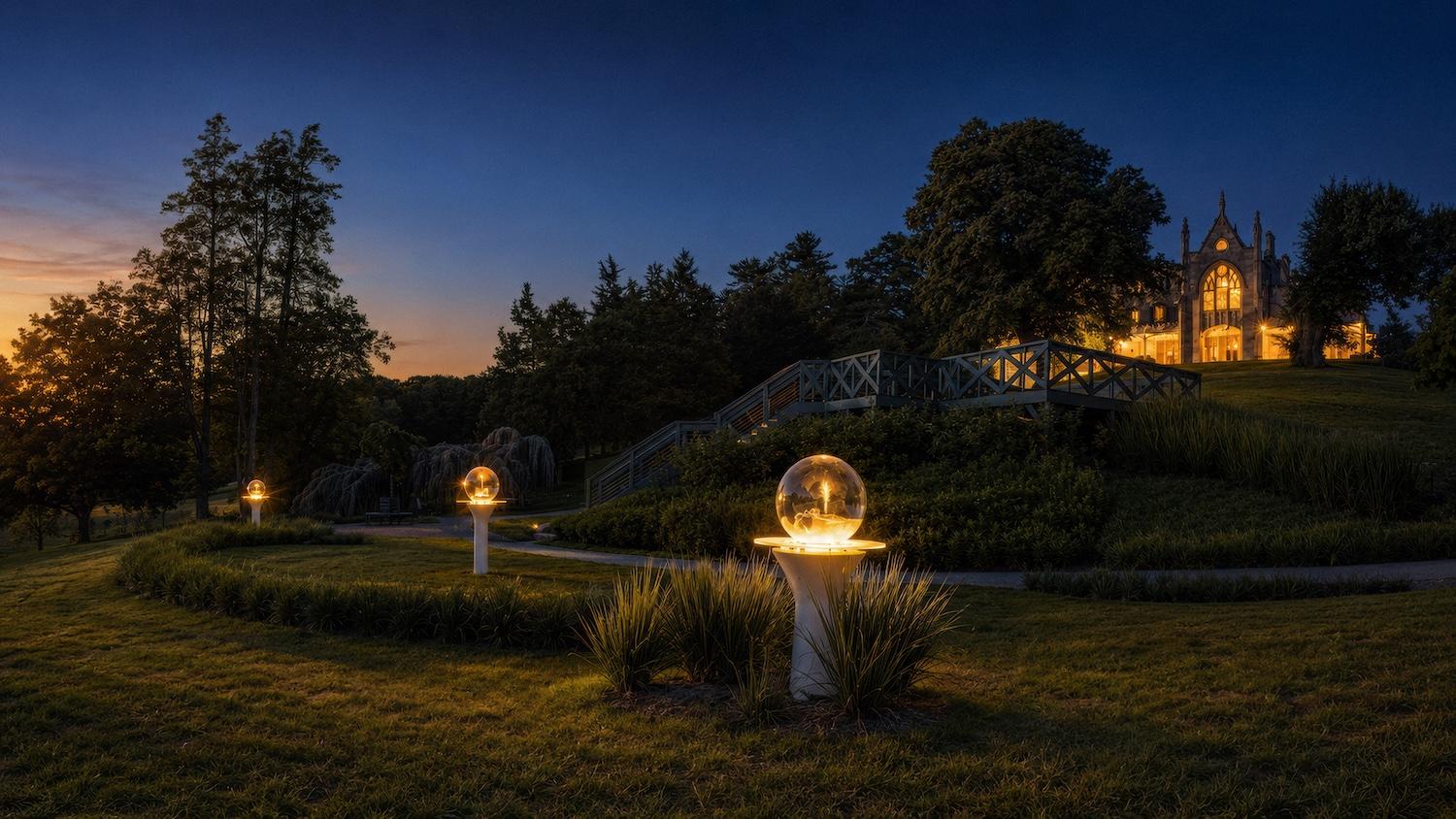
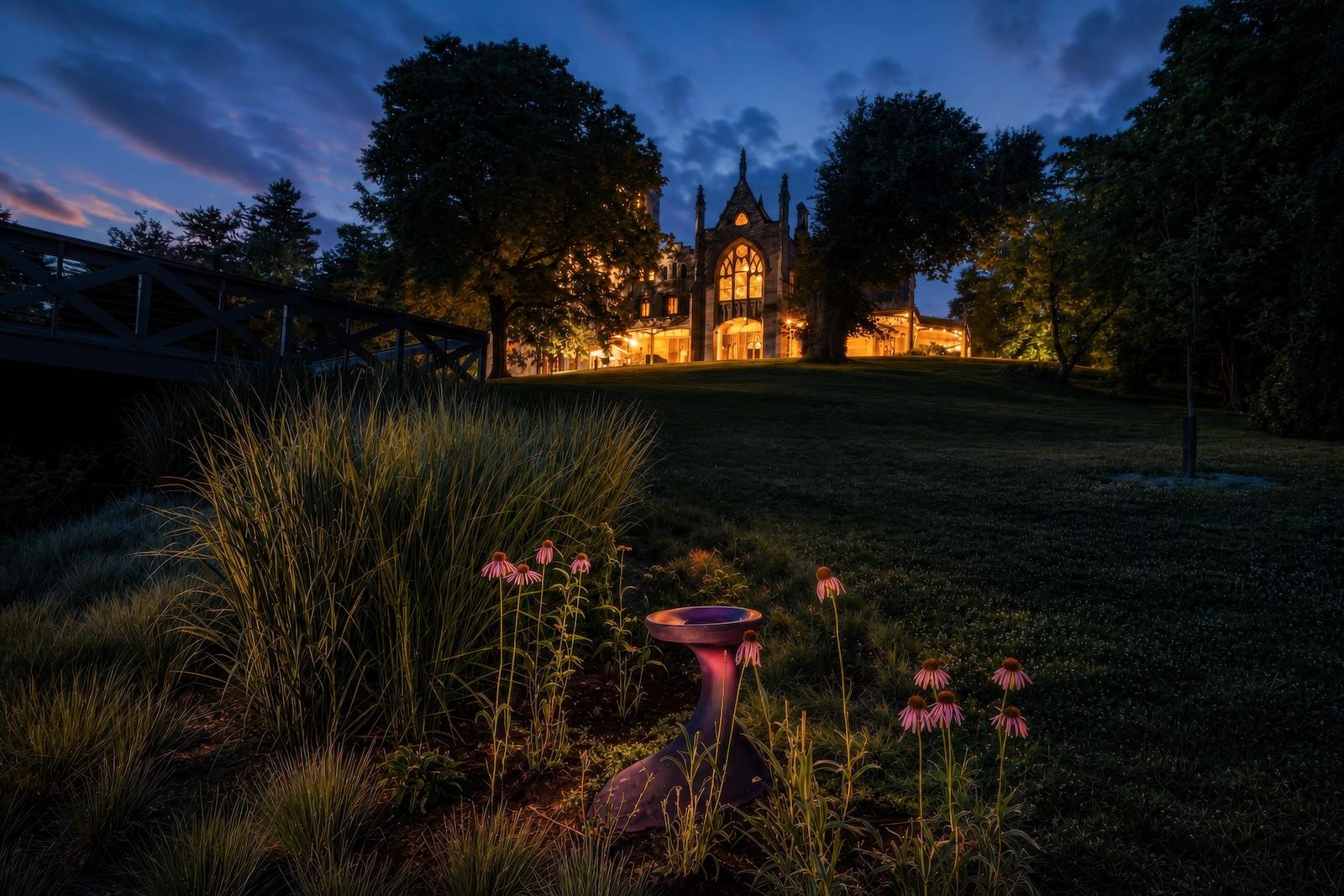
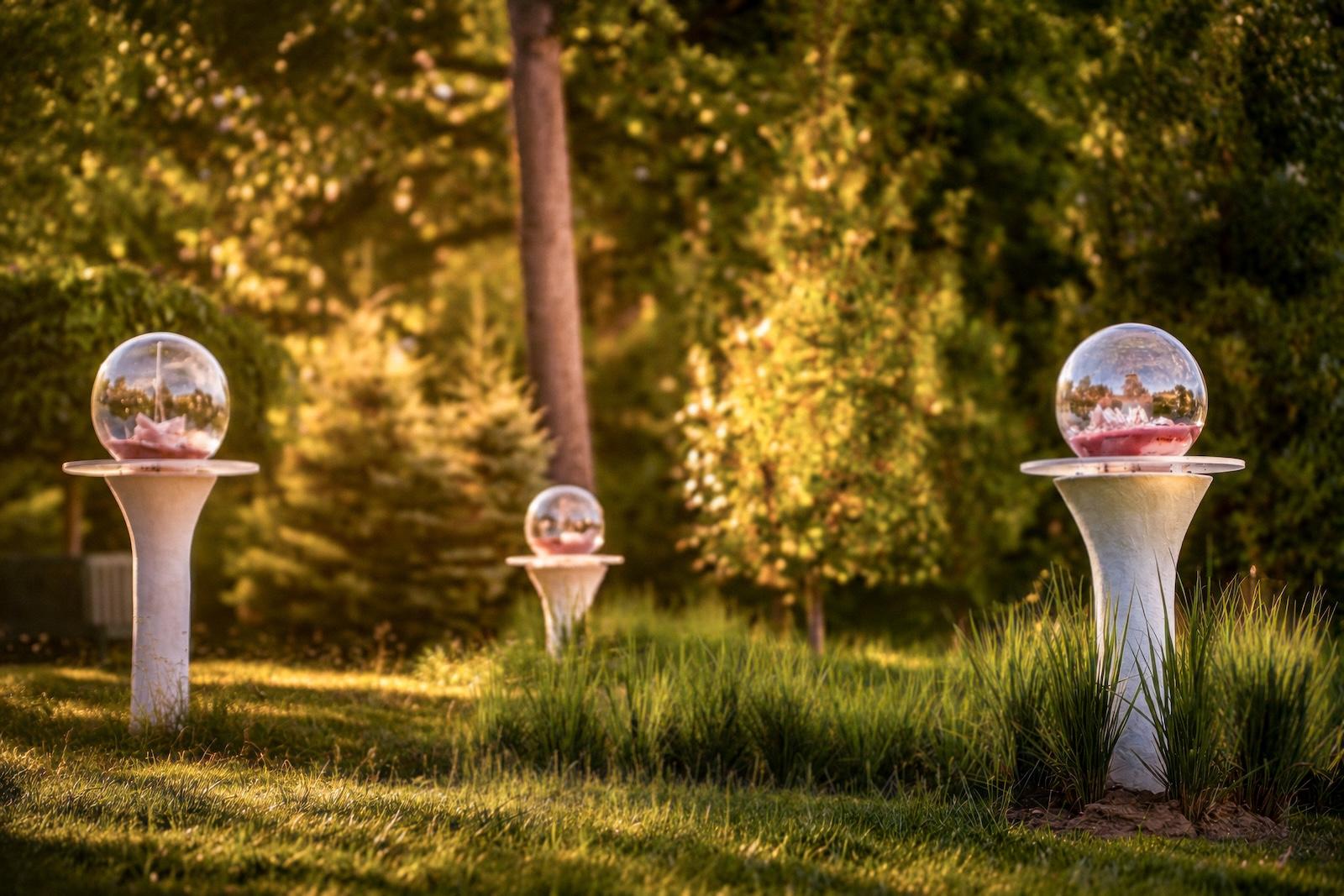
Courtesy of Lyndhurst Mansion. Photo by Clifford Pickett

The Paula Hayes Garden at Lyndhurst, June 2026

Hayes felt reimagining the garden “was a conversation across time.” It was not a blank canvas. She was “listening to what the land already knows, to the ghosts of previous arrangements, and trying to add a note that subtracts nothing from the chord.” Hayes designs using native plants so that the work is “in tune with its site, not against it. Native plants aren't camouflage; they're attunement. The work doesn't disappear into the landscape—it joins the chord. The mandala and the meadow should be able to hold each other without either one having to be the background.”

Courtesy of Lyndhurst Mansion. Photo by Clifford Pickett

The Paula Hayes Garden at Lyndhurst, June 2026

Arranged as a mandala, native flowers and grasses surround the overlook terrace, with its panoramic views of the Hudson River. The circles of color are visible from above. Hayes uses mandala shapes because “I'm drawn to the circle—the oldest diagram of wholeness we have. It doesn't tell you what to think; it gives you a place to stand while you think. In my work, the mandala appears in the crystal works, the terrariums, the ink drawings on black paper—circles that are maps of interiority, not decoration. They're the visual equivalent of the chime's receptiveness: an open form that catches whatever moves through it.”

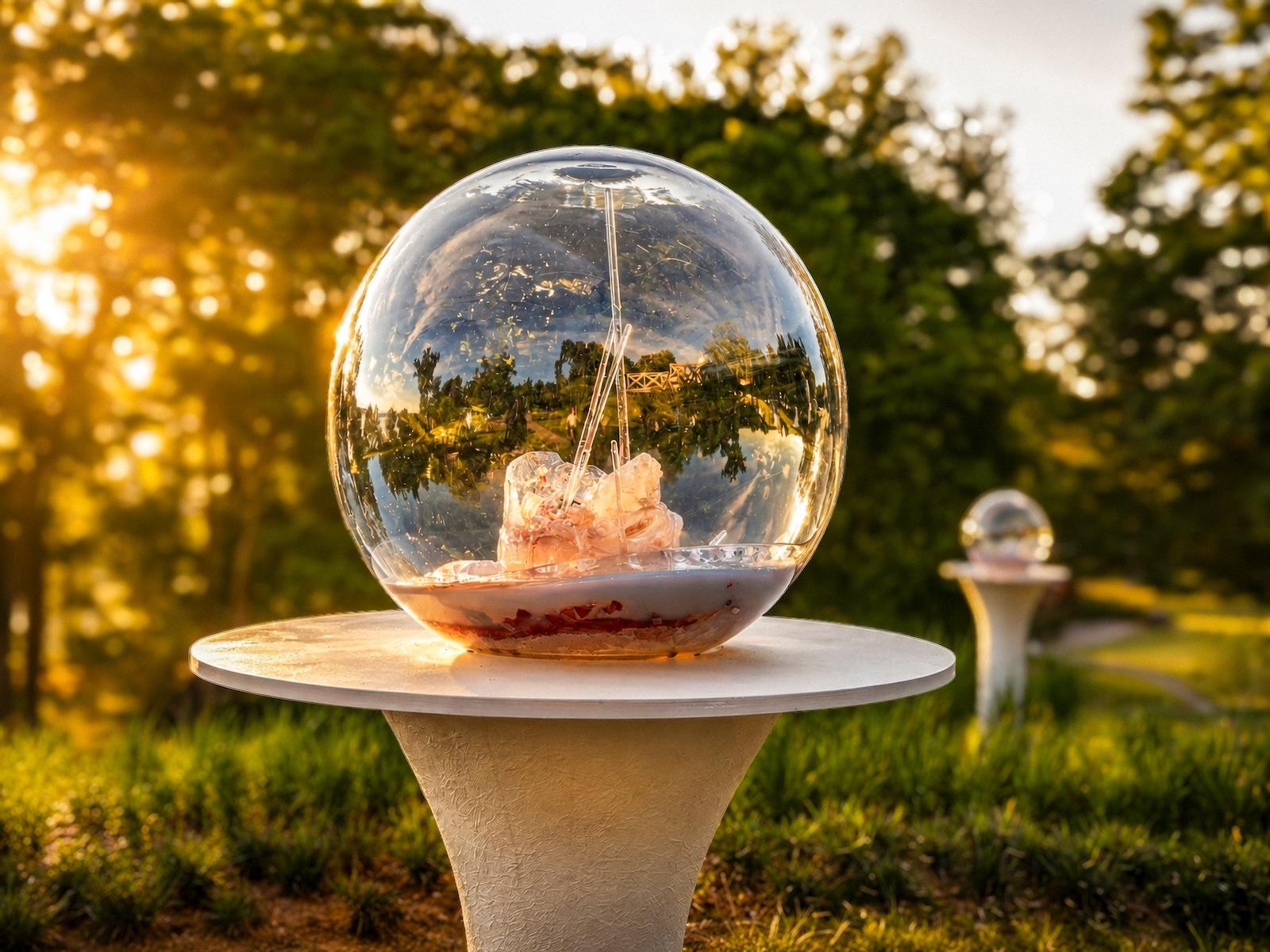
Five of Hayes’ signature garden sculptures are integrated into the area, placed as if they have grown organically. “A sculpture in a landscape is not an object placed in a garden; it's an object that grows from the same ground,” she says. A bright birdbath sculpture echoes the purples of native grasses, while gazing globes and abstract garden gnomes—cast in bronze—add a touch of magical whimsy. 

Courtesy of Lyndhurst Mansion. Photo by Clifford Pickett

The Paula Hayes Garden at Lyndhurst, June 2026

Her work rescues garden ornaments from the world of kitsch, taking “the most despised objects in the canon,” elevating them to fine art, and bringing that art into the garden, “where it can be rained on, walked past, ignored, loved.” She adds, “The birdbath is a functional form made contemplative. The integration isn't a technique; it's a refusal to hierarchize the garden over the gallery, the crystal over the bronze, the living over the cast.”

“In my version, the mirror is made from cast-away radio parts as well as repurposed polycarbonate—the discarded technology that becomes the reflective surface.” She loves that a mirror is an object that “doesn't create but receives, that holds the world in a curved surface without claiming to be the world.” Hayes’ Gazing Globes “sit in the landscape and they attend,” intentional forms catching “whatever light, whatever weather, whatever passerby arrives.”

She sees the garden as a project without an end date. “The garden keeps growing. And the work is cooperative—it needs the caretakers, the visitors, the weather, the time. I don't want people to know about it so much as I want them to know they're in it.”

Courtesy of Lyndhurst Mansion. Photo by Clifford Pickett

The Paula Hayes Garden at Lyndhurst, June 2026

Hayes hopes her work helps people experience “their own gentleness,” adding that the purpose of her garden is not instruction or distant admiration. “It's there to be moved by—to be walked around, to be touched, to be rearranged by weather or by hands. I hope visitors experience the willingness to be struck—not by a message, but by the simple fact that the work is alive and part of the world as it is.”

About the Author

Megan D Robinson

Megan D Robinson writes for Art & Object and the Iowa Source.

Subscribe to our free art newsletter!

Webform
Art and Object Marketplace - A Curated Art Marketplace