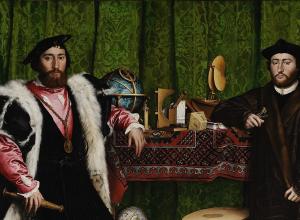

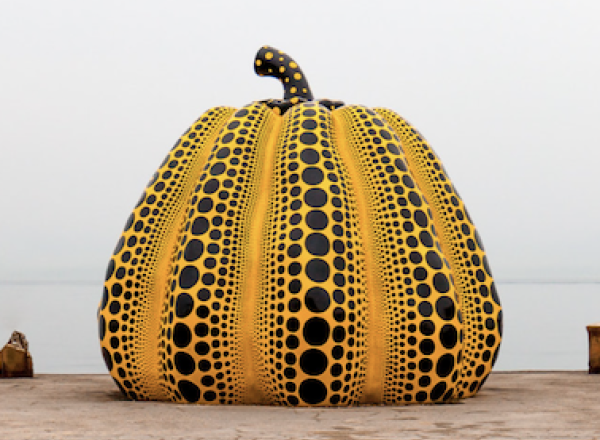
Here we look at nine examples of beautiful autumnal imagery and spirit. From Claude Monet's seasonal "Haystacks" to Giuseppe Arcimboldo's strange flora-based portrait series, to Yayoi Kusama's iconic "Pumpkin," these artists explore the true scope of fall.
Art News
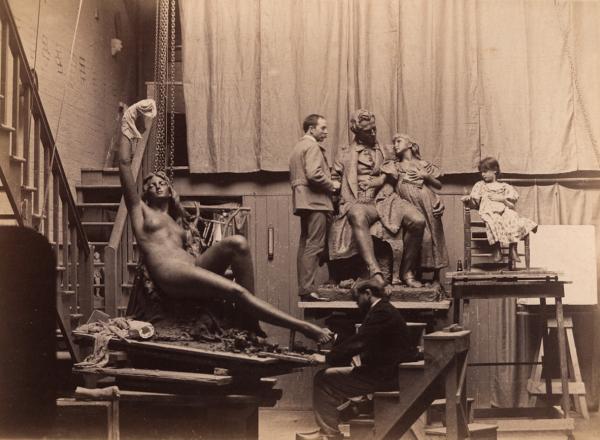
The Berkshires, a lush region of mountains, rolling green hills, and picturesque farmland in western Massachusetts, has long attracted artists looking to escape the summer heat and the frenetic year-round activity of nearby cities, New York, and Boston.
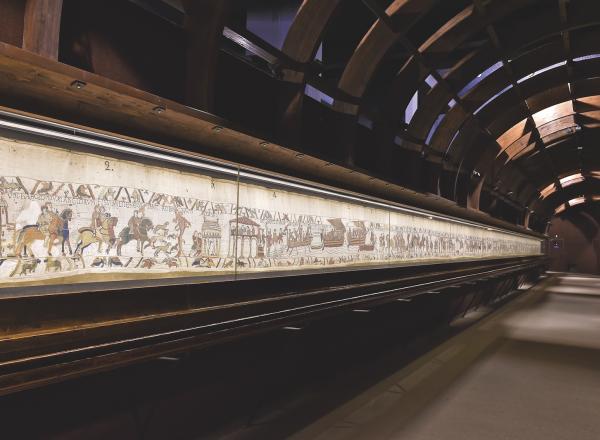
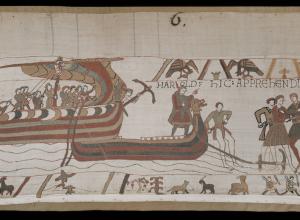
Last year, U.K. Prime Minister Keir Starmer and French President Emmanuel Macron signed a historic agreement allowing the Bayeux Tapestry—a 230-foot-long strip of medieval cloth embroidered with images telling the story of the Norman Conquest—to travel to England for an exhibition at the British Museum that will open in the fall of 2026.
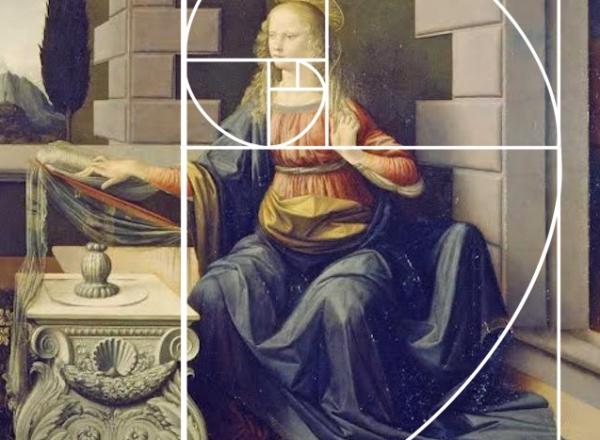
For artistically-minded people, the golden ratio—or better yet, the divine proportion—might be easier to understand visually. Here are several examples of how the golden ratio can be applied to works from art history.
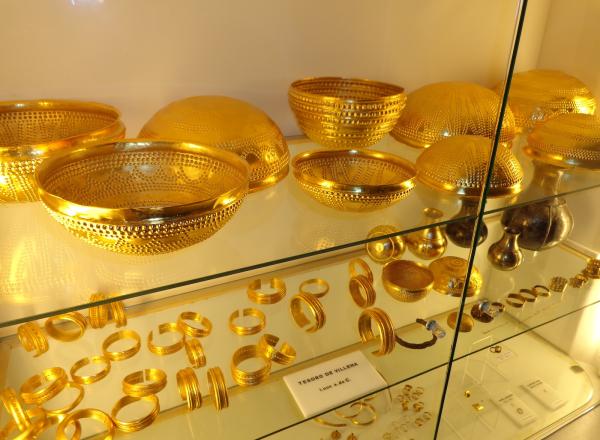
The summer of 2026 has been an unusually successful one for museum thieves as European institutions grapple with a rising number of break-ins and heists.
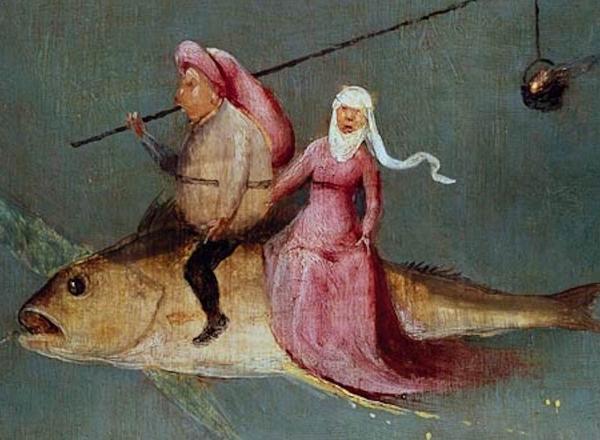
The artist used traditional symbols but also created his own, referencing the Bible and Flemish folklore to create unique visual manifestations of established metaphors and puns.
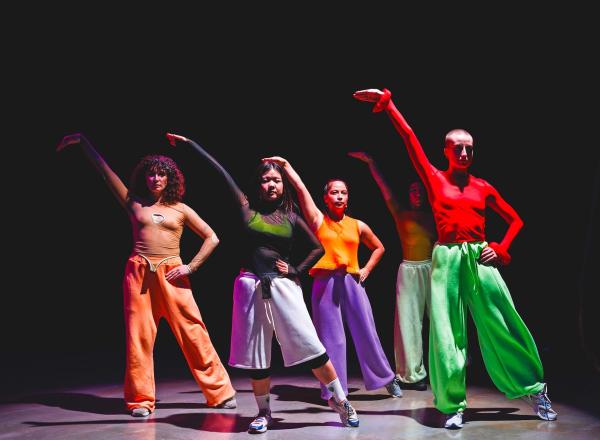
In its third iteration, a six-person variation of anyyywayyy whatever was commissioned and performed at Amant in Brooklyn near the start of the autumnal equinox season. The artist is Barnett Cohen, who previously choreographed and wrote versions of this performance for Performissima at the Centre Wallonie Bruxelles (CWB) in Paris and theKunsthall Trondheim in Norway, both in 2024.
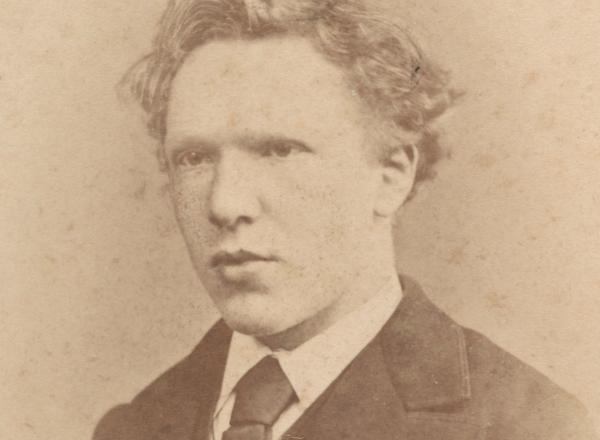
Vincent van Gogh (1853-1890) is one of history's best-known artists. Despite struggles with depression and psychosis Van Gogh became a master of Post-Impressionism. Van Gogh paintings like The Starry Night dazzle and inspire anyone lucky enough to see them in person. The artist's colorful life and paintings make him a tragic yet compelling figure to modern audiences.
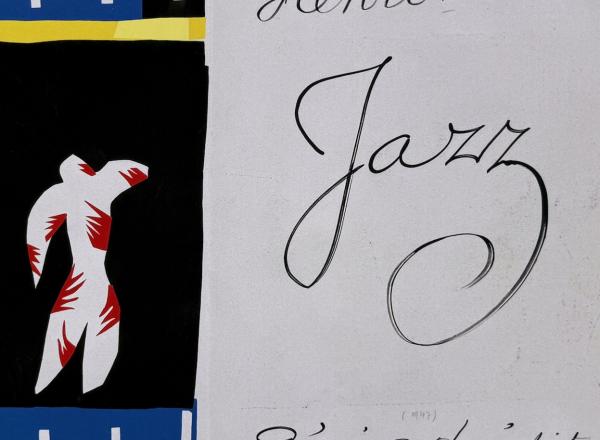
Eight prints from Henri Matisse’s celebrated 1947 Jazz series, valued at about $190,000, are back in the hands of Brazilian authorities after being recovered from an apartment in a suburb of São Paulo.

Caspar David Friedrich, like other Romantic painters, established landscape paintings as a dominant genre in Western art. Friedrich’s coming of age was during a time when materialistic society began to favor spirituality. The artist followed this shift in ideals through expressing the natural world as a divine creation, a separate entity from human civilization. As French sculptor David d’Angers said, he was a man who had discovered “the tragedy of landscape.”