


Auction  September 2, 2026  Annah Otis

What Monterey’s $762 Million Car Week Says About Who’s Buying

WikiCommons

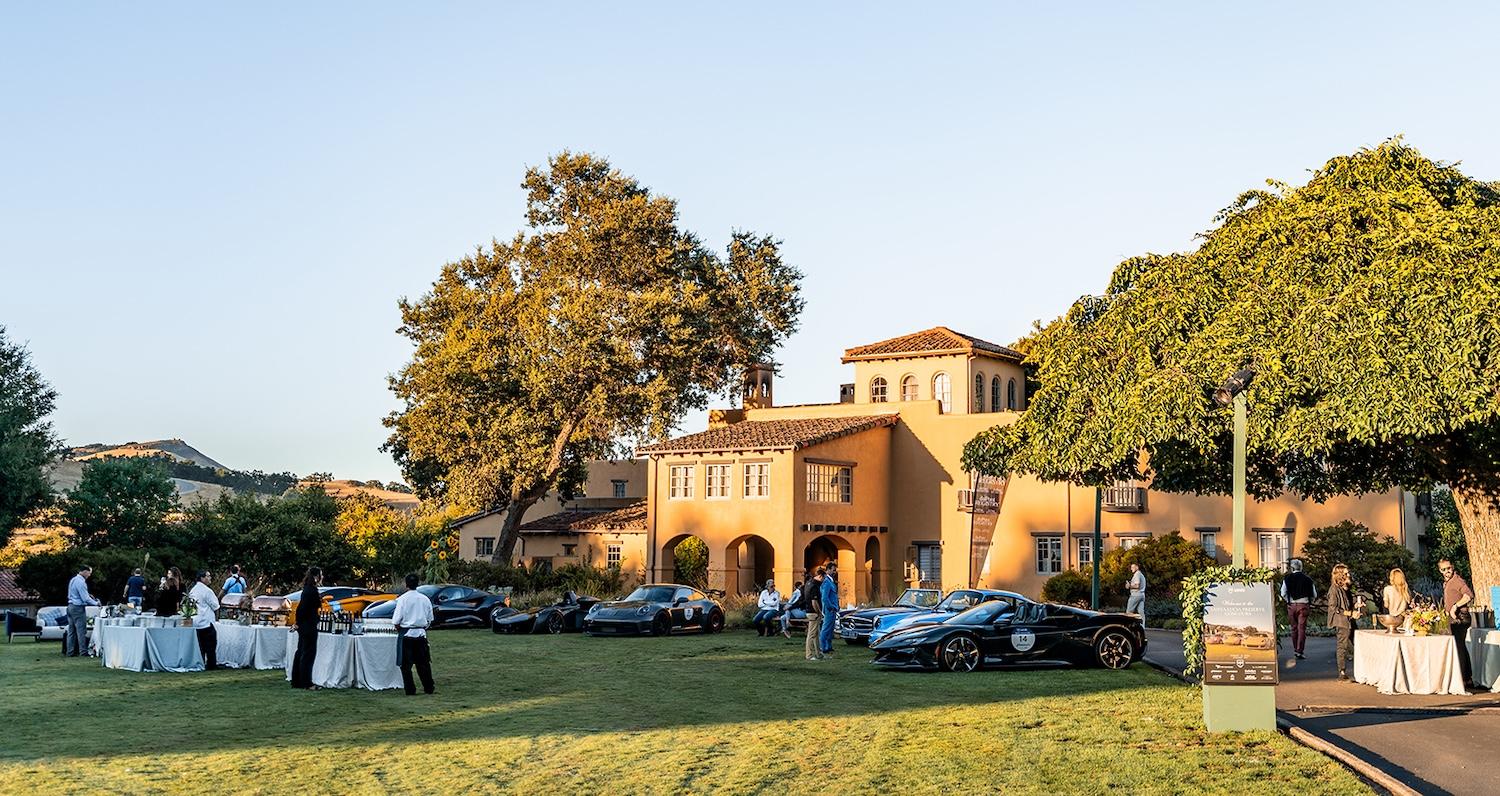
A 2024 Monterey Car Week Event. License.

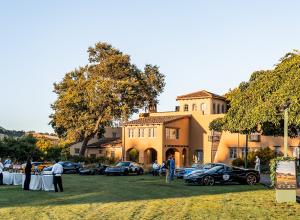
As car enthusiasts perused hundreds of unique vehicles along the Carmel coast, five auction houses sold a record $762 million in collector machines during Monterey Car Week this August, far exceeding the previous $471 million high set in 2022. The results mark a 76% jump over last year’s estimated $433 million in auction sales and signal a shift in the market from baby boomers seeking older models to younger generations scooping up modern supercars.

RM Sotheby’s led the week with an estimated $380 million in sales, followed by Gooding Christie’s at $160 million. 11 cars sold for more than $10 million each, and seven of those were Ferraris built anywhere from the 1980s to present day. These outcomes indicate that the market’s energy currently sits with the machines millennials and Gen Z grew up ogling, not the pre-war classics that once defined Monterey.

WikiCommons

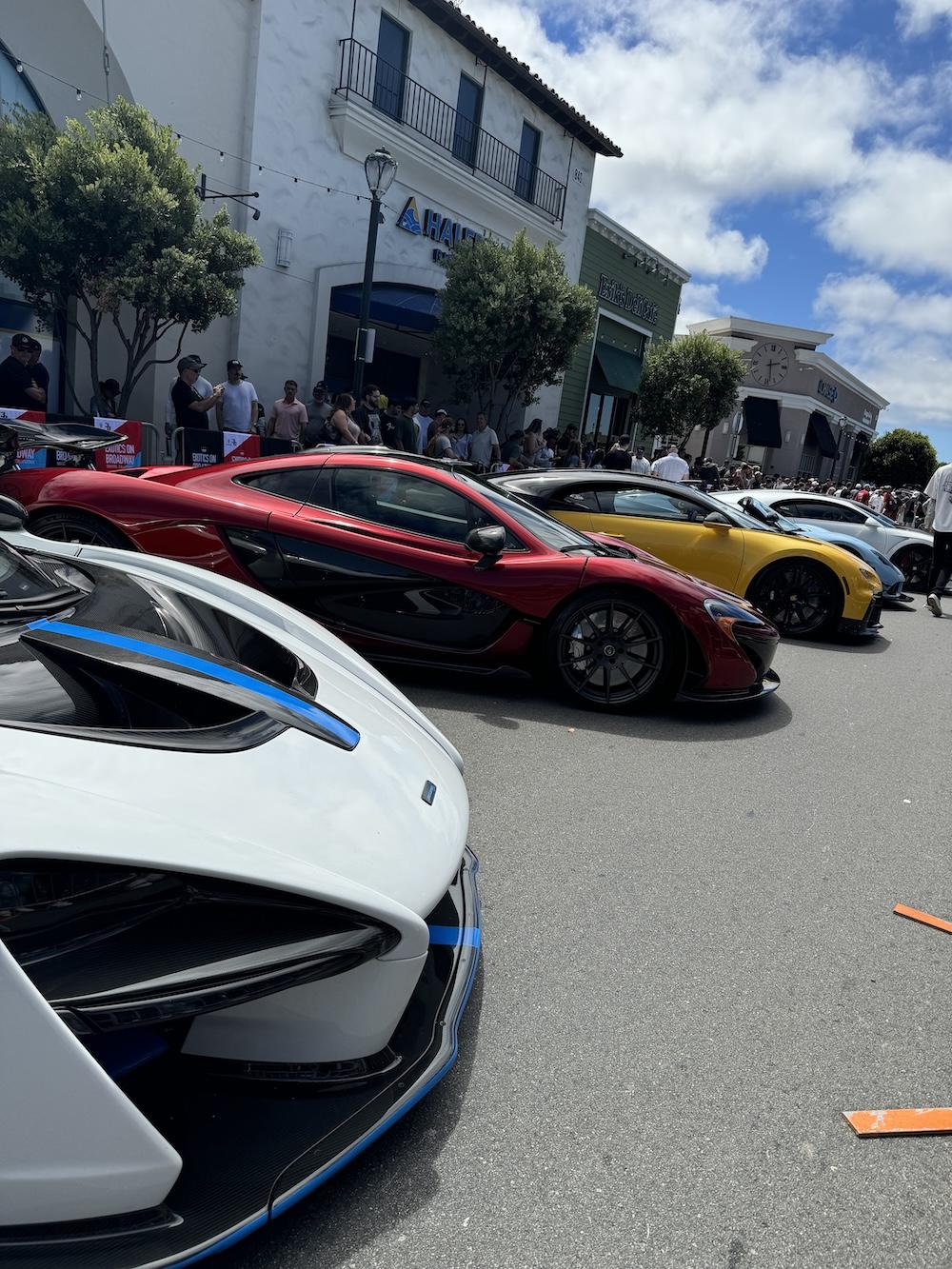
Cars lined up for display on the streets at Monterey Car Week. License.

20 years ago, pre-war and antique cars made up the bulk of the annual car show, but now comprise just 15% of total sales. An influx of tech money and generational wealth is shifting the biggest buys to supercars of the 1990s and 2000s. The Hagerty Supercar Index climbed 30% over the past 12 months, while the Hagerty Blue Chip Index tracking traditional “boomer cars” fell 2% in the same period.

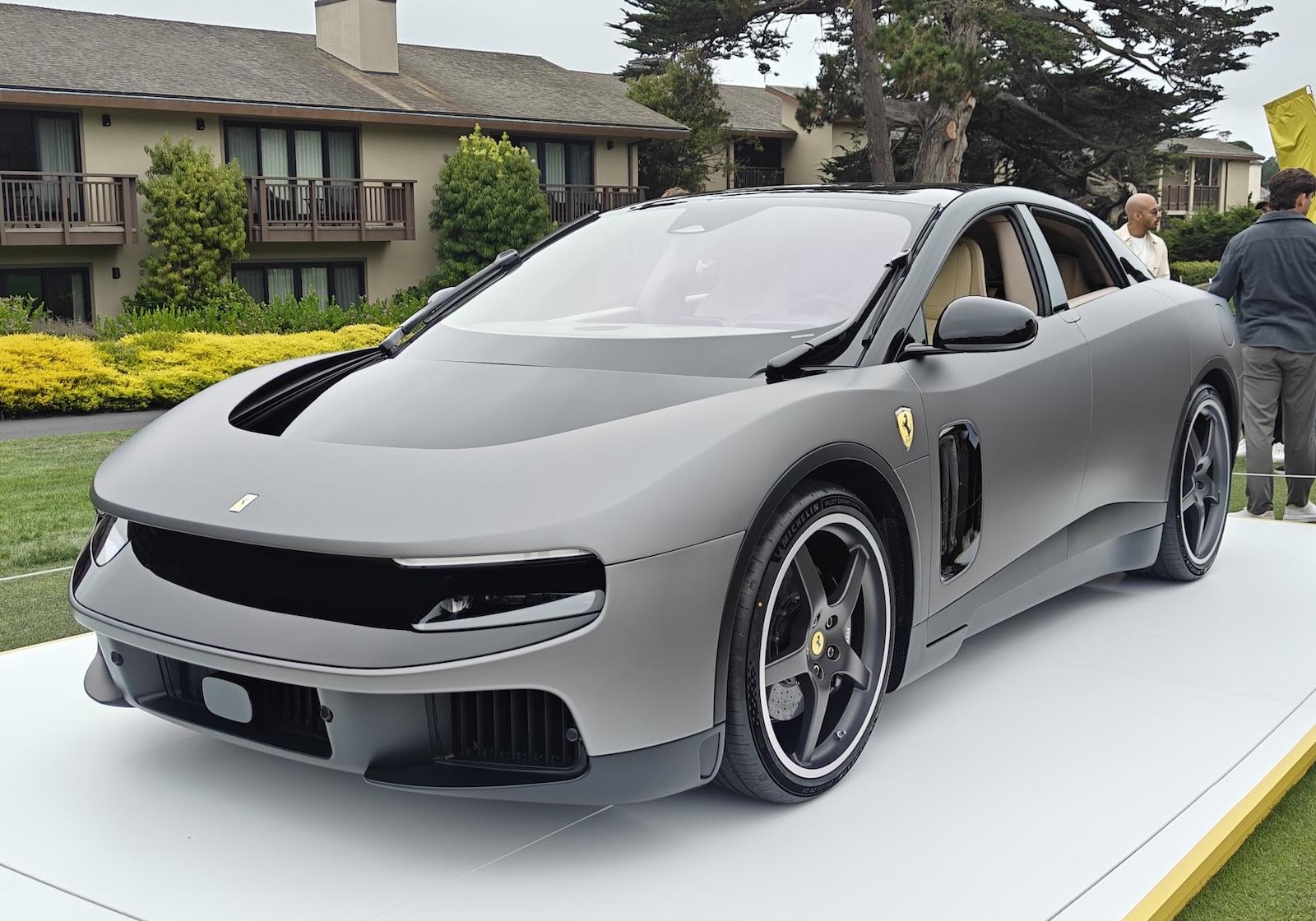
Post-war cars of the 1960s and 70s have nonetheless continued to stand their ground. A 1964 Shelby Cobra Daytona Coupe became the most expensive American car ever sold at auction for $42,905,000. And despite a polarized reception, the 2027 Ferrari Luce went for $40 million to billionaire entrepreneur Herbert Wertheim as part of a charity auction. The EV was penned by former Apple lead designers and has sold out before even being ready for customer delivery.

Since the sale benefited the Ferrari Foundation, Wertheim’s purchase could be eligible for a significant tax deduction. The IRS treats such purchases as “quid pro quo contributions,” so buyers can deduct the portion of their payment that exceeds the fair market value of the item or service received, subject to limits based on adjusted gross income. Ferrari’s EV was priced at $1.1 million.
WikiCommons

2027 Ferrari Luce. License.

Beyond the eight-figure headline sales, 142 cars rolled off lots for $1 million or more, and 54% of those were modern sports and supercars. Post-war cars from 1945-1979 accounted for 22% of sales, and nearly 200 cars went home unsold. Outside the marquee lots, buyers continue to be judicious and focused on value.

Of the younger collectors snapping up pricey vehicles, many are said to be treating them as speculative assets rather than long-term possessions to be driven and enjoyed. It is not uncommon for them to assemble entire collections within months rather than decades. How that approach impacts Monterey’s momentum will become clearer as this new generation settles into its role as the collecting world’s dominant force.

About the Author

Annah Otis

Annah Otis is a New York City-based contributor to Art & Object with a master’s degree in art history. She is also a marketing communications executive.

Subscribe to our free art newsletter!

Webform
Art and Object Marketplace - A Curated Art Marketplace