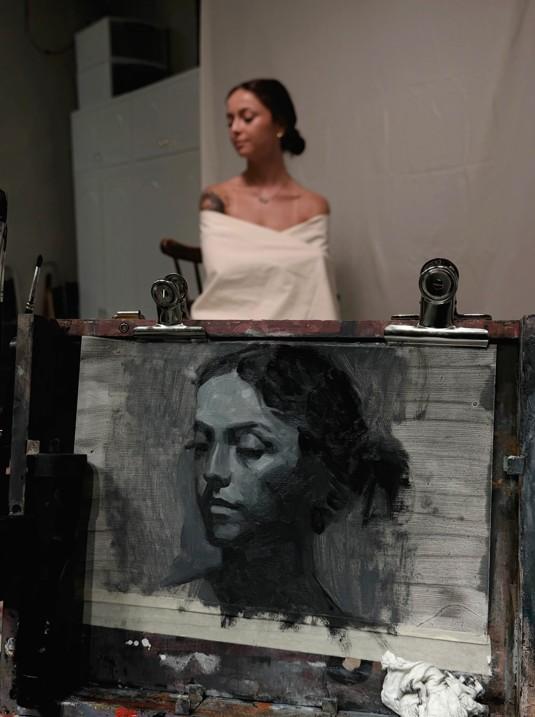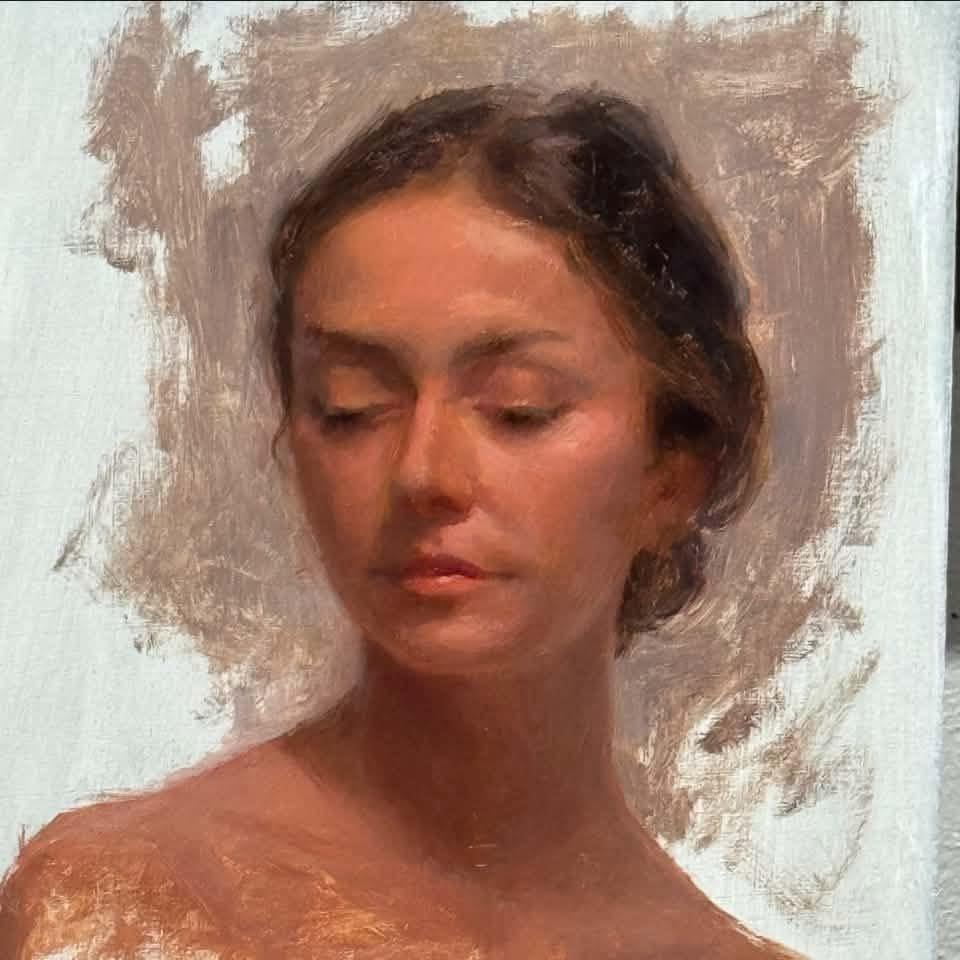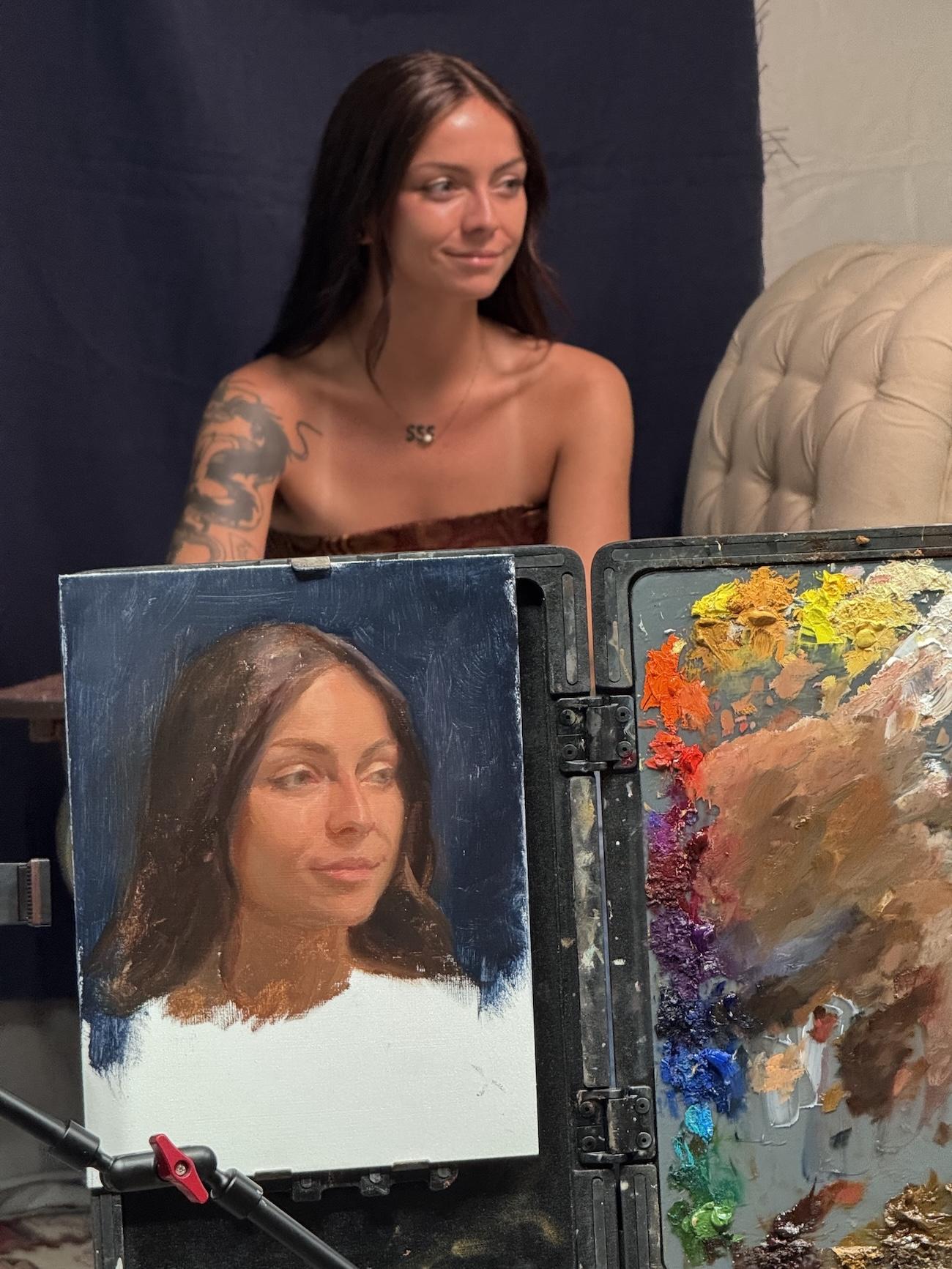


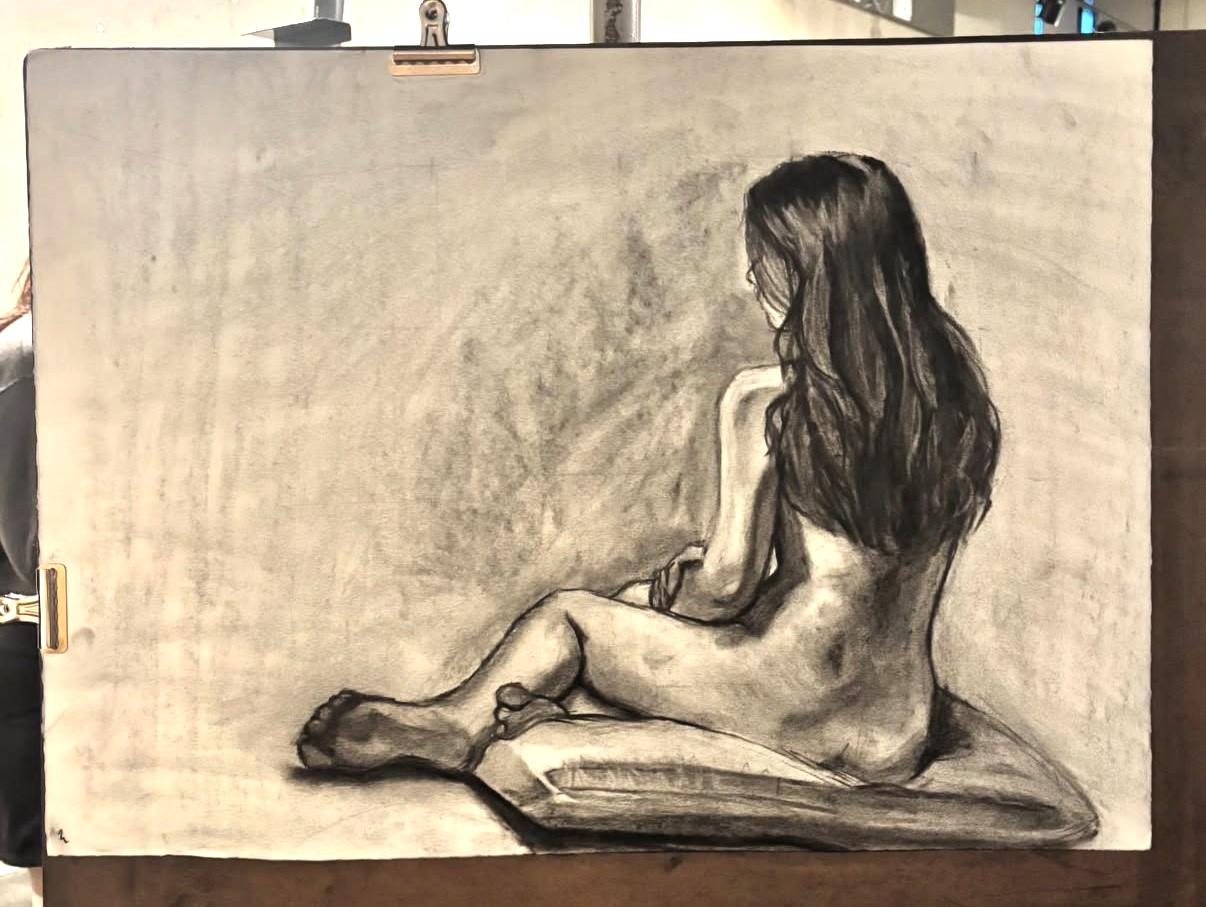
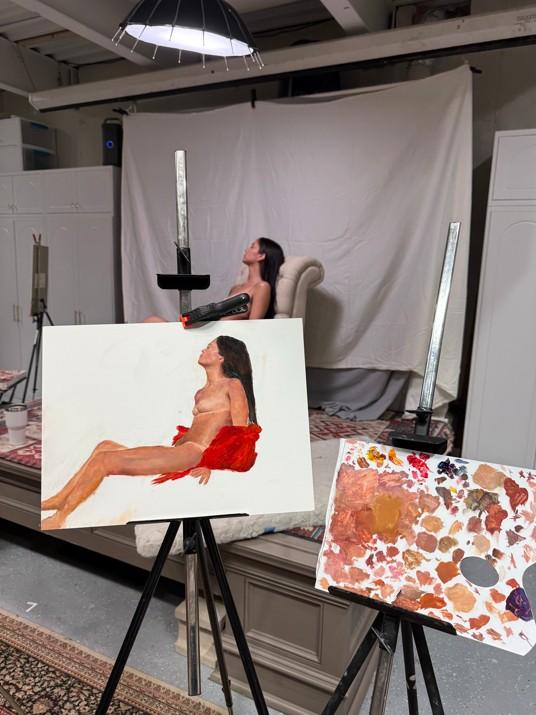
Figure modeling requires total stillness for extended periods of time, most commonly 20- to 25-minute intervals followed by five-minute breaks. Remaining motionless as a muscle begins to ache, a strand of hair tickles my neck, or my foot slowly falls asleep poses—no pun intended—yet another challenge. A position that felt perfectly comfortable five minutes ago can suddenly become excruciating.
Meanwhile, there’s a room full of artists studying you closely enough to notice the precise angle of your shoulder or the way the light casts shadows across your skin. Many people might be averse to that scrutiny, but for me, it is simply routine feedback on my job performance—no different from a supervisor pointing out a typo on a PowerPoint slide.
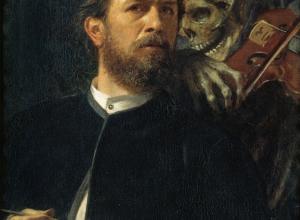
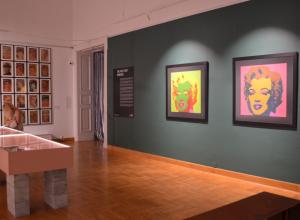
Despite the physical challenges, I have found figure modeling to be one of the most rewarding jobs I’ve ever held. As an art history student, I have long been accustomed to studying the human figure from the viewer’s perspective, whether painted, drawn, sculpted, or otherwise. Over time, however, I grew curious about experiencing that relationship from the opposite side of the easel. Rather than studying figurative art, I wanted to be the figure. I wanted to know what it was like to be the girl inside the painting, to have a literal sculpted body, to be the eyes that follow you across the room. Of course, getting there required taking my clothes off.