




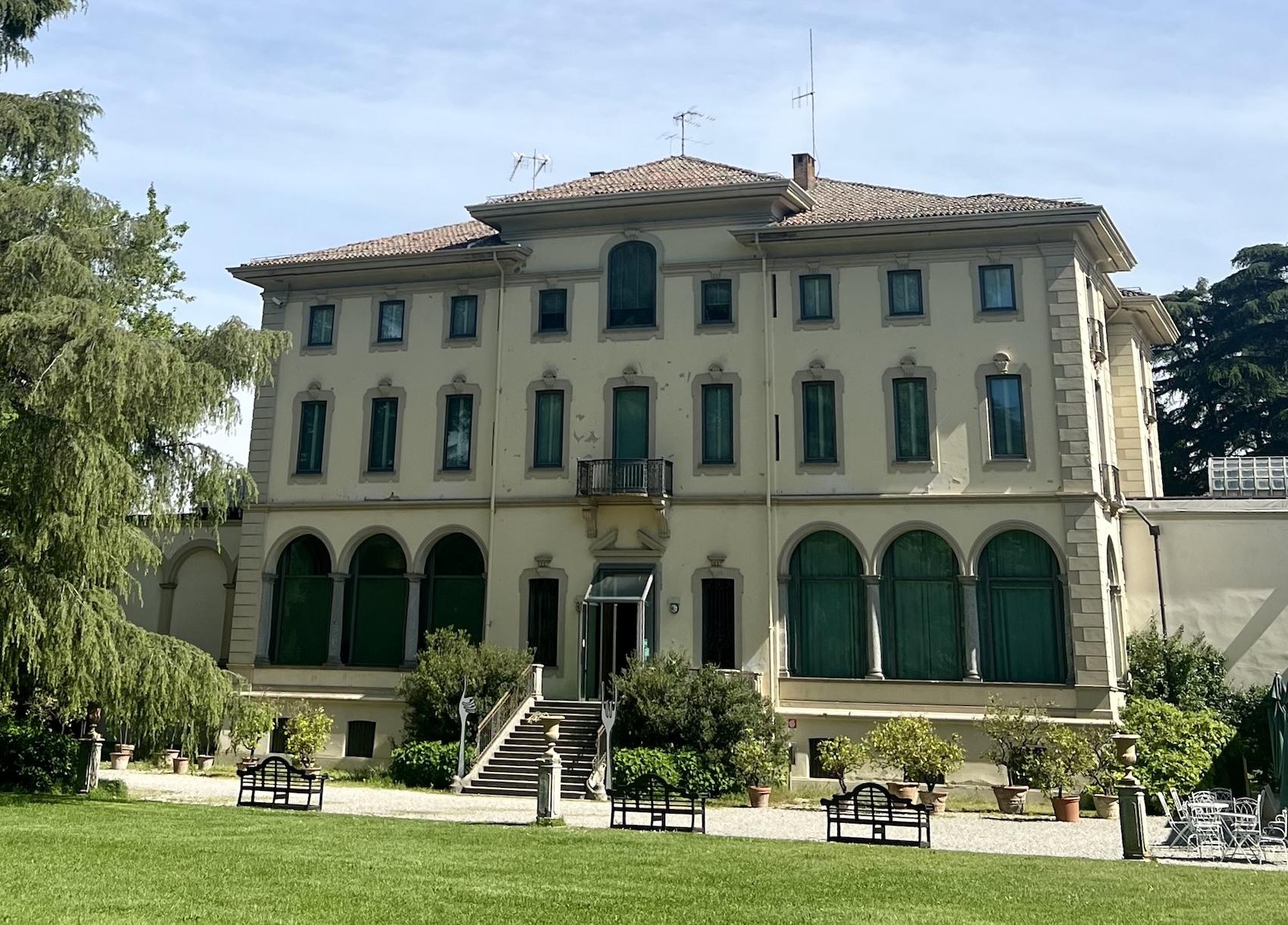

Last month’s heist unfolded just one week after the museum reopened for the summer season. Perhaps to avoid deterring visitors and ticket sales, management kept the theft quiet until a regional outlet of Italy’s state broadcaster broke the news in late March. The timing and method of this robbery invite comparison to last year’s high-profile Louvre heist during which thieves broke into a second-floor gallery to steal millions in crown jewels. Some security analysts believe the Paris incident may have inspired copycat thefts, demonstrating to would-be thieves that speed and brute force can outpace sometimes-antiquated alarm systems.
Smaller private museums are particularly vulnerable targets since most institutions only have the resources to secure main entrances, while upper floors and secondary galleries are left comparatively exposed. Select larger museums have begun deploying AI-powered camera analysis to flag unusual behavior before incidents escalate. Very few use armed guards, most notably the Metropolitan Museum of Art and the Smithsonian Institution museums, so security is heavily reliant on the response times of local police. Historic buildings like those of the Louvre and the Magnani-Rocca Foundation add another layer of difficulty, because installing window bars or other physical protections can raise preservation and aesthetic concerns.






















.jpg)

