

Museum  April 8, 2026  Annah Otis

The Parma Heist and Europe's Escalating Museum Security Crisis

WikiCommons

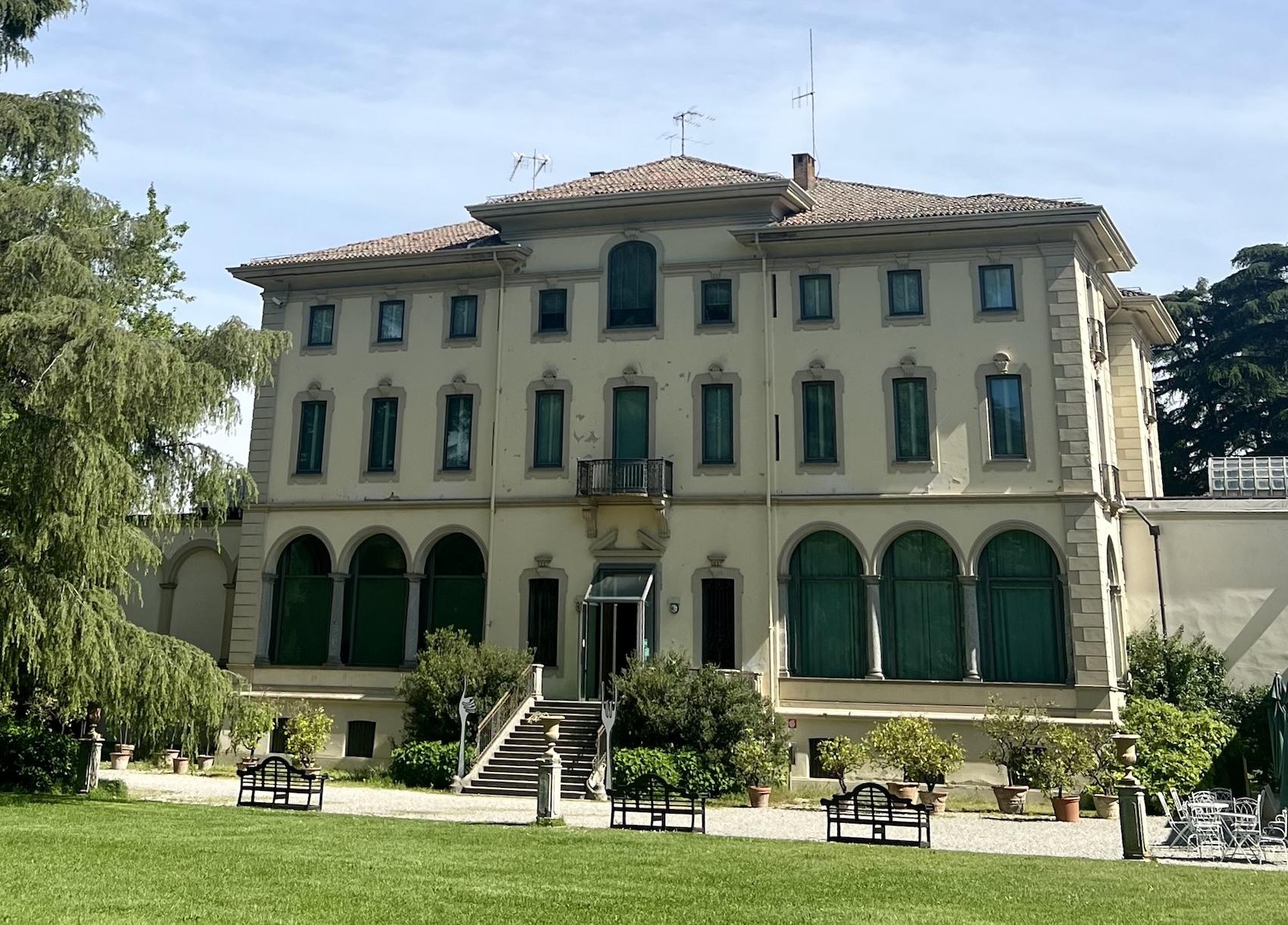
The Magnani-Rocca Foundation. License.

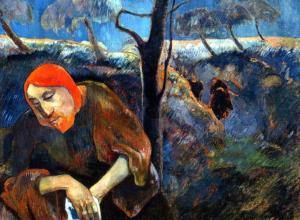
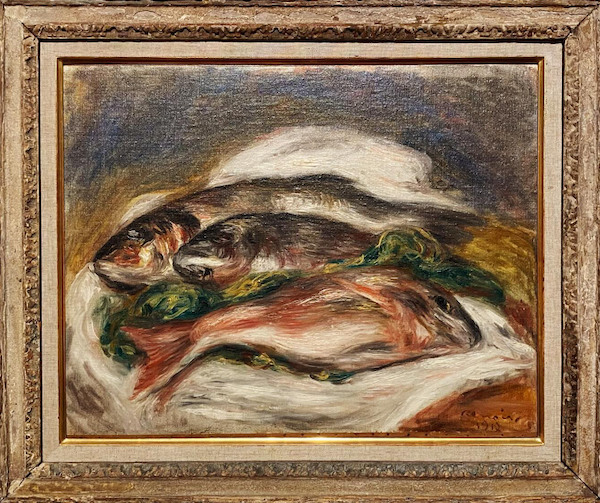
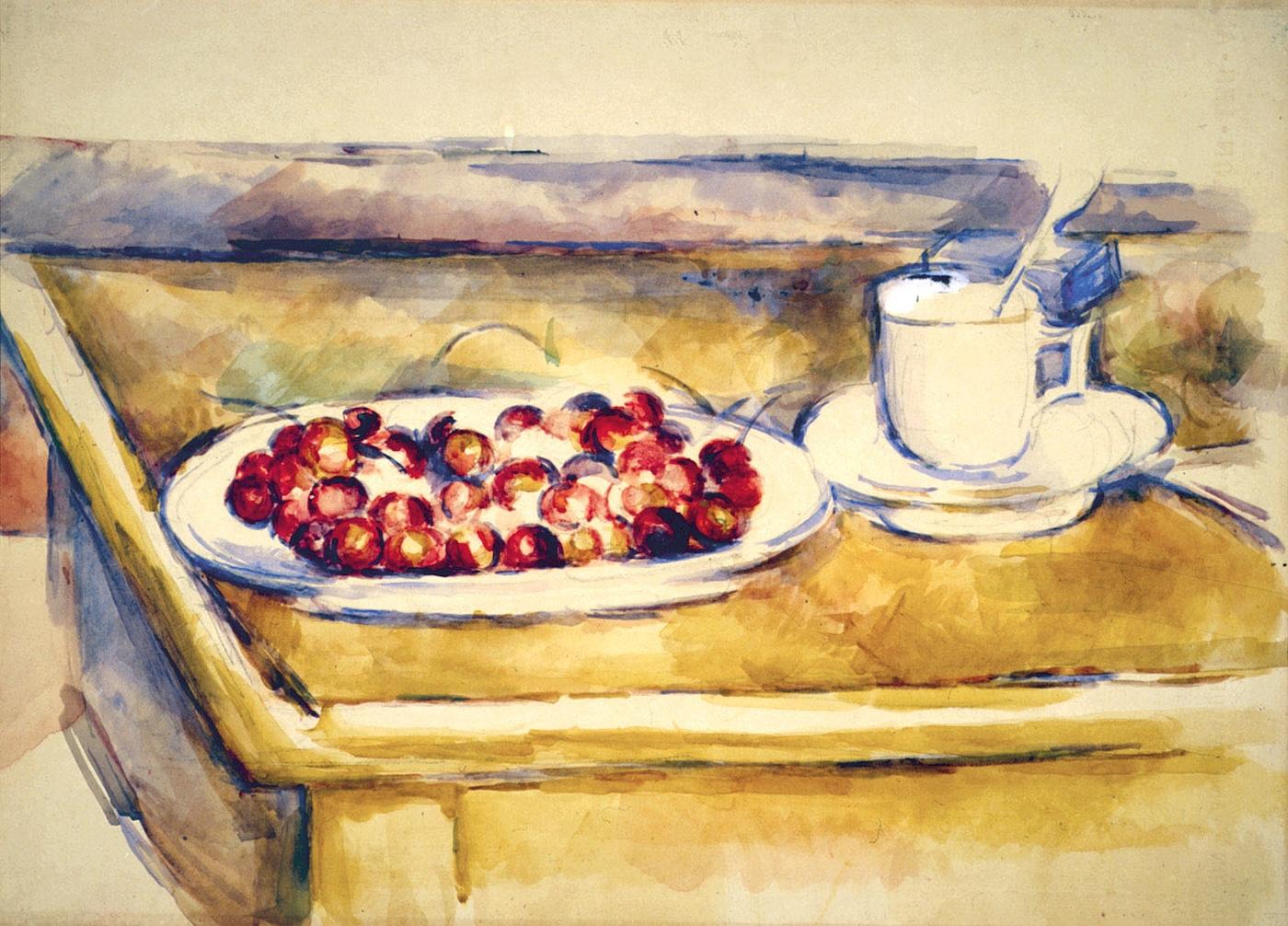
In the late hours of March 22, four thieves broke through the front door of the Magnani-Rocca Foundation, a private museum housed in a Neoclassical villa outside Parma in Italy. It only took three minutes for them to steal paintings collectively valued at roughly $10 million: Les Poissons by Paul CezanneOdalisque on the Terrace by Henri Matisse, and Still Life with Cherries by Auguste Renoir. The Renoir alone is estimated at nearly $7 million. A fourth work was abandoned at the scene after the museum’s security system interrupted the theft.

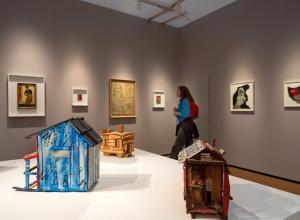
The foundation holds the private collection of musicologist Luigi Magnani, heir to a dairy fortune, and has been open to the public since 1990. At its center is an ensemble of 50 paintings by Giorgio Morandi, a friend of Magnani whose studio was in nearby Bologna. David Zwirner Gallery brought the entire set to New York City for several weeks in 2025 while the villa was closed for the winter.

WikiCommons

Auguste Renoir, Les Poissons, 1917. License.

Last month’s heist unfolded just one week after the museum reopened for the summer season. Perhaps to avoid deterring visitors and ticket sales, management kept the theft quiet until a regional outlet of Italy’s state broadcaster broke the news in late March. The timing and method of this robbery invite comparison to last year’s high-profile Louvre heist during which thieves broke into a second-floor gallery to steal millions in crown jewels. Some security analysts believe the Paris incident may have inspired copycat thefts, demonstrating to would-be thieves that speed and brute force can outpace sometimes-antiquated alarm systems.

Smaller private museums are particularly vulnerable targets since most institutions only have the resources to secure main entrances, while upper floors and secondary galleries are left comparatively exposed. Select larger museums have begun deploying AI-powered camera analysis to flag unusual behavior before incidents escalate. Very few use armed guards, most notably the Metropolitan Museum of Art and the Smithsonian Institution museums, so security is heavily reliant on the response times of local police. Historic buildings like those of the Louvre and the Magnani-Rocca Foundation add another layer of difficulty, because installing window bars or other physical protections can raise preservation and aesthetic concerns.

WikiCommons

Paul Cézanne, Still Life with Cherries, watercolor on paper, c. 1890. License.

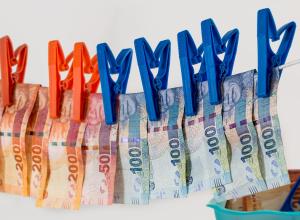
Given that the value of Impressionist and modern art sold at major auctions has risen up to 19% year over year, the payoff for a successful heist is staggering, even with reduced black market valuations. Cryptocurrency has made cross-border laundering faster and considerably harder to trace since tokens can move across jurisdictions and re-enter traditional banking systems with little detection. Freeport storage facilities that hold works outside local tax rules and often without conducting customer due diligence provide a discreet way station for stolen works moving through private hands.

It still remains to be seen whether the Parma paintings will resurface through ransom negotiation, a black market transaction, a tip years from now, or not at all. What is clear is that the gap between the cultural value of what hangs on museum walls and the resources devoted to protecting it continues to widen. Recent events have demonstrated just how easy it can be to exploit that gap.

About the Author

Subscribe to our free e-letter!

Webform
Art and Object Marketplace - A Curated Art Marketplace