

Auction  July 22, 2026  Annah Otis

The Luxury Watch and Jewelry Business Is Threatening Art Sales

WikiCommons

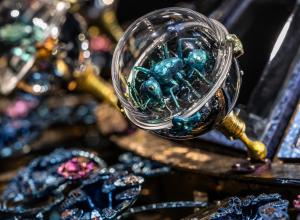
Tiffany’s Patek Philippe watch collection. License.

Auction houses have long measured their seasons by paintings and sculptures, but the numbers favored a relatively overlooked category this spring season. Phillips generated $235.5 million in watch sales during the first half of the year, while Sotheby’s saw its highest total for the category in April, and Christie’s set their own watch records in May.

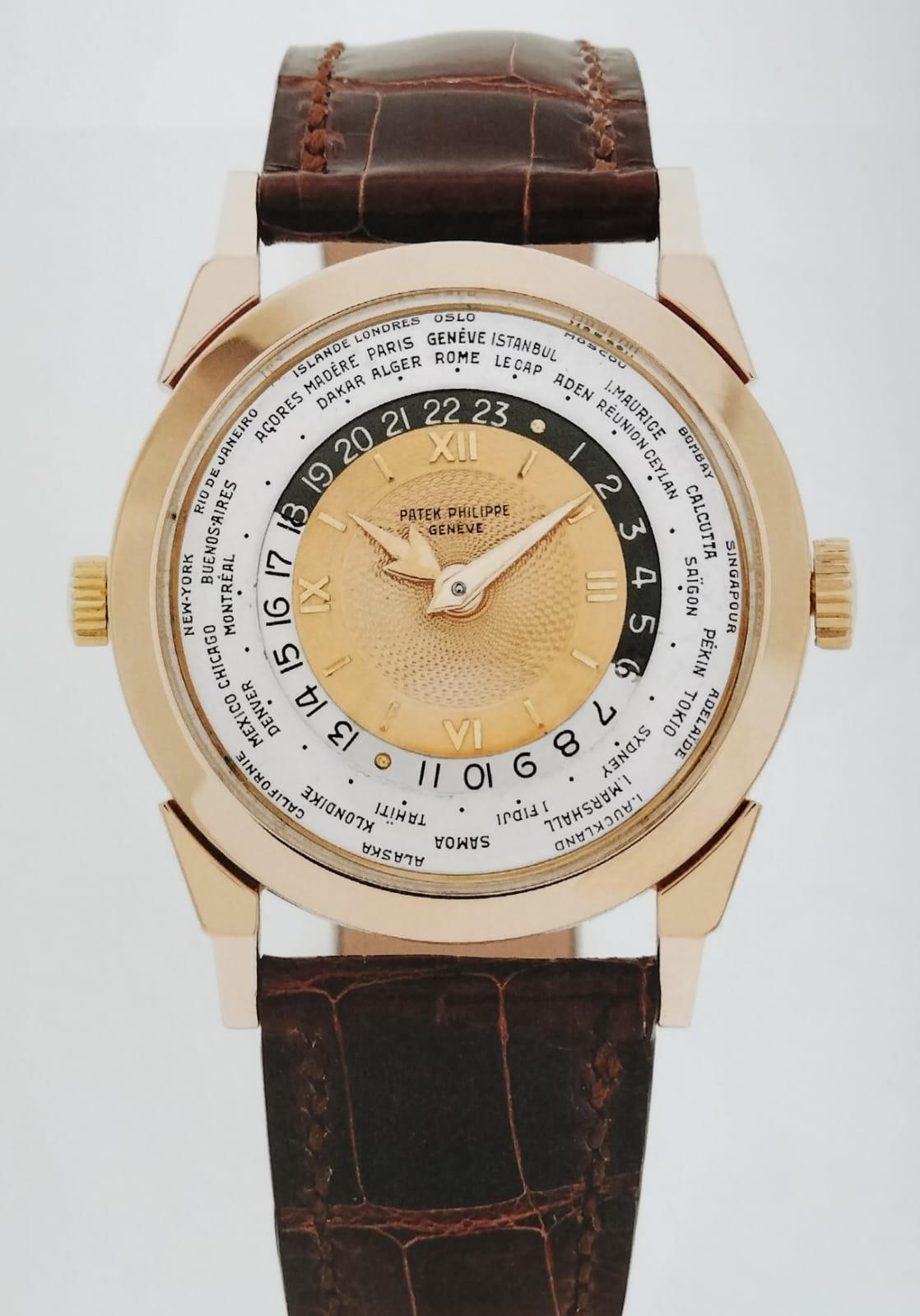
Compared to the spring season of 2025, Phillips approximately doubled its watch sales in 2026, with average lot values increasing by 55%, and first-time buyers accounting for 40% of purchasers. The auction house’s top fine-art lot was Sixteen Jackies by Andy Warhol for $16.2 million, but a rare Patek Philippe Ref. 2523 “South America” world-time watch sold for not much less at $10.2 million and became only the third vintage wristwatch to cross the $10 million threshold. 43 world records were set at the Geneva Watch Auction: XXIII, where Phillips sold at least 14 lots for more than $1 million each.

WikiCommons

Patek Philippe Ref. 2523 world-time wristwatch. License.

Long considered a sideline to art sales, watches are quickly becoming a robust category unto themselves. Sotheby’s saw a 64% increase in watch sales for the first half of the year compared to the same period in 2025. The number of collectors seeking high-end and vintage timepieces is also steadily growing. Phillips welcomed 1,815 bidders from 74 countries during their Geneva event, and Sotheby’s saw 1,850 individuals from 60 countries place bids during the first half of the year.

The collectors driving this activity look different from those who dominated the category a decade ago. First-time buyers are more and more common. Millennials and Gen Z now account for one third of buyers, versus a quarter in 2025. Acquiring a full collection of rare or vintage watches still demands considerable resources, but there is a growing subset of buyers who are making first or second purchases under the half-a-million mark.

Auction houses have reported a shift away from traditional vintage collecting—which requires deep scholarship around condition and originality—and towards neo-vintage pieces and independent watchmakers. The gap between an exceptional example and merely a good one is much narrower, so newer collectors find it easier to navigate and less risky.

Part of the appeal lies in the scarcity engineered by the brands themselves. Watchmakers producing fewer than 1,000 pieces a year exercise tight control over supply and often limit allocations to buyers who have built relationships with the brand over years. Such controlled distribution helps sustain prices even as speculative buying, common during the pandemic years, has given way to collectors who treat their purchases as long-term assets rather than flips.
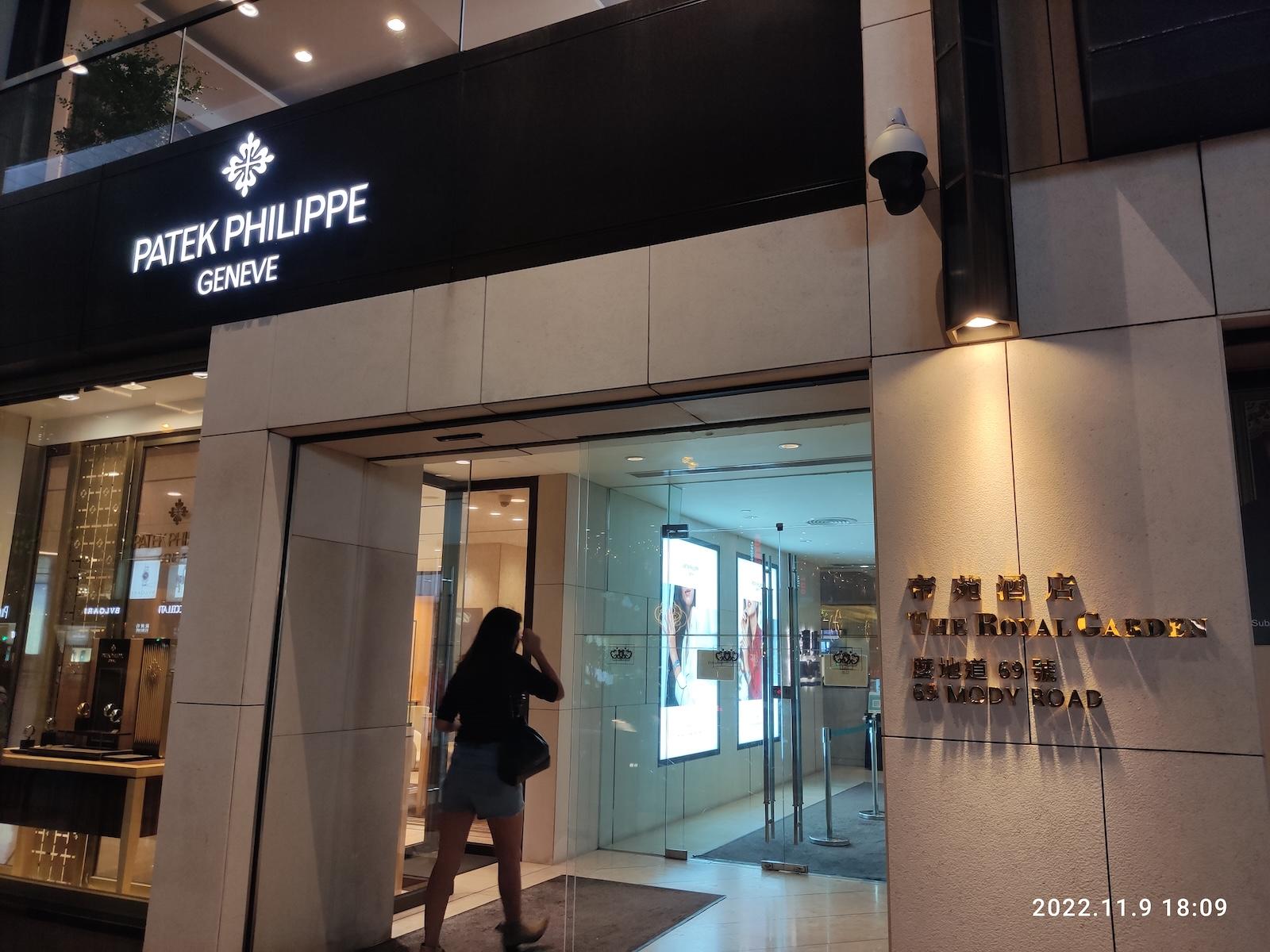

WikiCommons

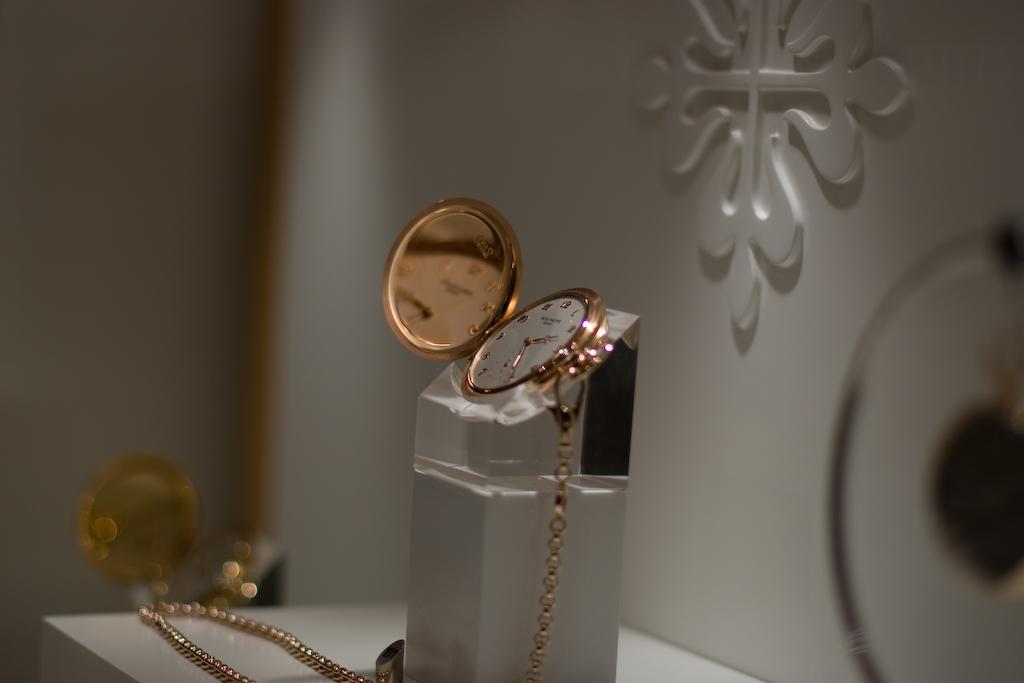
Patek Philippe storefront in Geneva. License.

Jewelry has followed a similar trajectory that is buoyed by the rising price of gold, which has climbed above last year’s levels and increased the category’s appeal as a tangible asset during uncertain economic conditions. Strong equity markets have historically tracked with luxury spending, and that correlation remains as stock markets continue to perform well in the United States.

None of this means that interest or investments are being pulled away from paintings and sculptures. However, collectors who once reserved seven-figure budgets exclusively for canvases are now willing to spend similar sums on a watch. As inventory tightens and demand from younger first-time buyers grows, auction houses may find that timepieces and jewelry are more of a main event than a complement to their evening sales.

About the Author

Annah Otis

Annah Otis is a New York City-based contributor to Art & Object with a master’s degree in art history. She is also a marketing communications executive.

Subscribe to our free art newsletter!

Webform
Art and Object Marketplace - A Curated Art Marketplace