
At Large  November 18, 2026  Annah Otis

Is the Blue-Chip Gallery Model Broken?

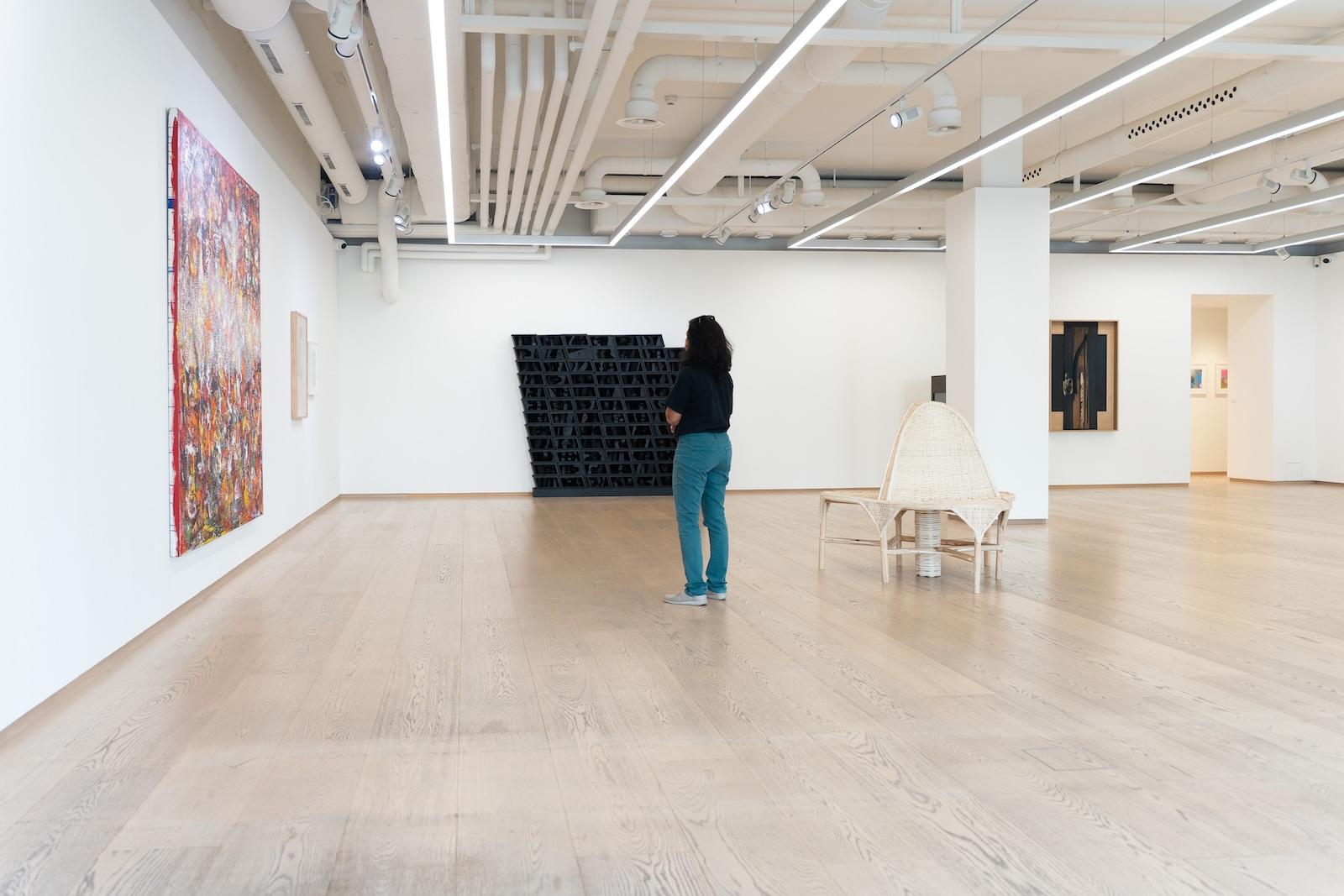
WikiCommons

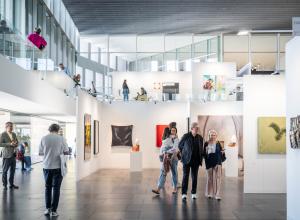
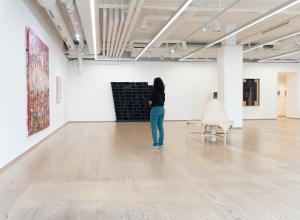
Interior of the Pace Gallery space in Geneva. License.

For the better part of two decades, success among blue-chip galleries meant opening more spaces in more cities and showing up at every major fair, while generously courting both buyers and artists. The 65-year-old Pace Gallery followed this formula closely to become one of the world’s best-known dealers of modern and contemporary art, but its latest United Kingdom tax filings suggest that global uncertainty and rising costs have taken a strong toll on the business.

Pace’s UK-registered company, which owns subsidiaries in Europe and Asia, filed its 2024 taxes with the British government’s registry of companies ten months late. The 2025 accounts were published shortly thereafter. Together, they paint a dire picture, albeit one that excludes the United States and Tokyo. Losses amounted to $5.4 million last year, and cash reserves shrunk by roughly two-thirds in two years. That is in addition to a $19.2 million debt to the US parent company that will be converted into shares by the end of 2026. The London gallery space on Hanover Square is now on the rental market ahead of a move to smaller premises in Mayfair.

WikiCommons

Marc Glimcher, President and CEO of Pace Gallery. License.

Signs of a business fighting to rightsize itself are also not limited to the UK. Pace closed its Palo Alto space in 2022, shuttered a Hong Kong gallery in October 2025, and let go of 50 artists and 50 staff members in June 2026. The eight-story flagship location in New York’s Chelsea neighborhood that Pace renovated in 2019 for more than $100 million is currently seeking tenants for its upper floors as the company looks to share operating expenses.

Pace is far from alone in struggling to adapt to the effects of rising interest rates, global instability, expensive brick-and-mortar spaces, high inflation, the closing of the 1031 exchange tax loophole, and soaring shipping expenses. Transporting an item by air cargo is 43% more expensive than it was just a year ago.

Hauser & Wirth’s UK arm saw pre-tax profits fall by almost 90%, and David Zwirner’s London company fared worse with a near-zero after-tax profit in 2024, before bouncing back in 2025. Thaddaeus Ropac’s UK turnover fell by about a quarter, and the Sadie Coles HQ in London watched its profits fall by more than 90%. More fatally, Stephen Friedman Gallery closed in February 2026 after two costly expansions.

Offshore parent companies undoubtedly obscure the full picture of their regional businesses, but the pattern points to a market that demands adaptability. Sales at the very top remain strong among a sliver of wealthy collection, while small and midsize galleries struggle. Mega-galleries sit awkwardly in between as they carry the overhead of global brands and chase a shrinking pool of reliable buyers.
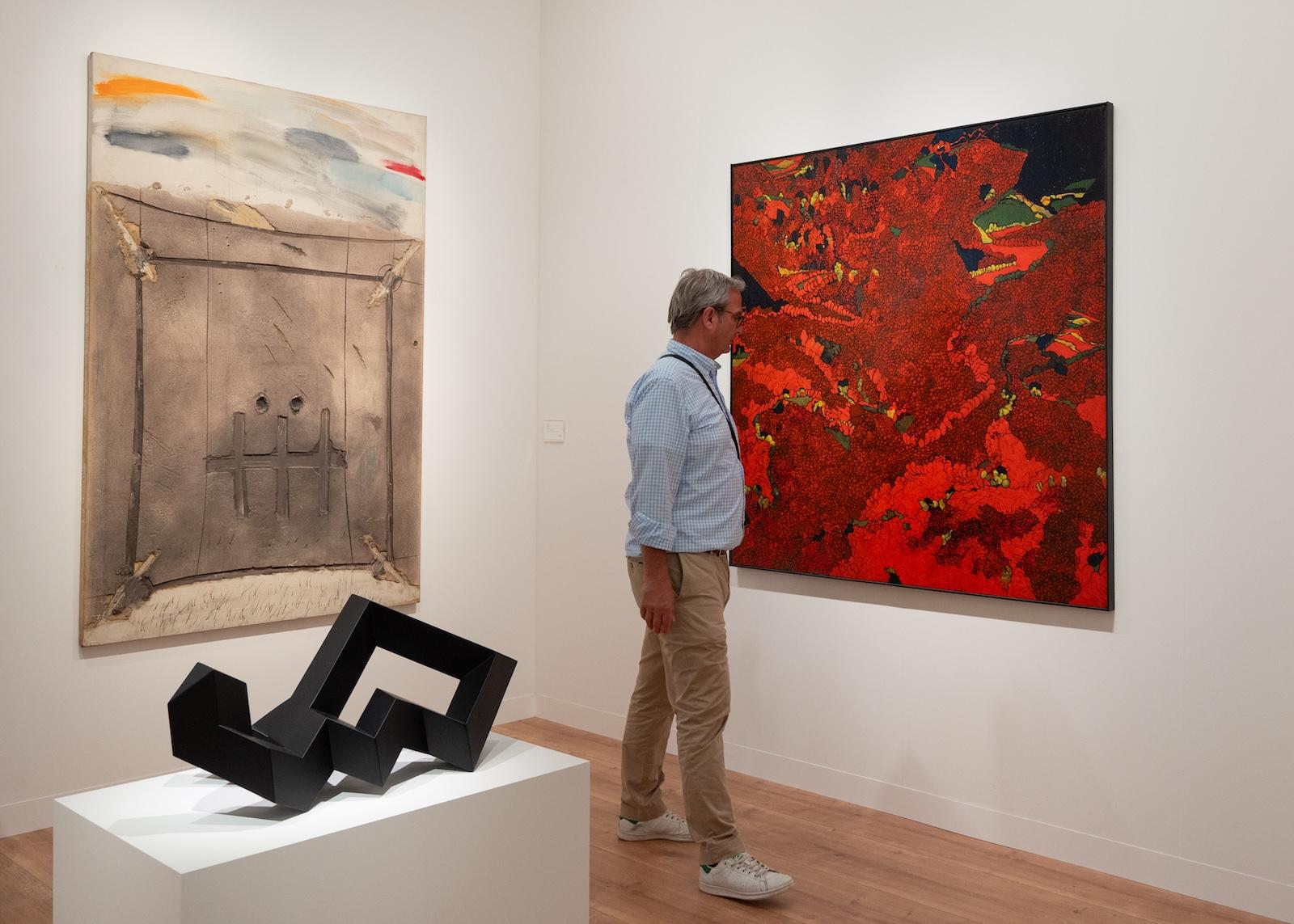
WikiCommons

Pace Gallery at Art Basel 2025. License.

Pace’s recent moves hint at what comes next for blue-chip galleries. Its Berlin gallery opened in 2025 and operates in a shared space to offer a European foothold without the expense of a standalone building. A partnership with Di Donna Galleries and auction executive David Schrader seems to be pushing Pace further into the secondary market where major estates can generate revenue without the expense of building emerging careers. The blue-chip gallery model is unlikely to disappear, but its shape needs to change in an era of uncertainty, prioritizing adaptability and streamlined operations above all else.

About the Author

Annah Otis

Annah Otis is a New York City-based contributor to Art & Object with a master’s degree in art history. She is also a marketing communications executive.

Subscribe to our free art newsletter!

Webform
Art and Object Marketplace - A Curated Art Marketplace