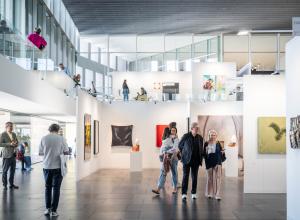

The fair was organized into four sectors: Galleries, for modern and post-war work; Neumarkt, reserved for galleries under ten years old; Collaborations, for curated group presentations; and Art + Object, covering design, jewelry, and decorative arts. A newer initiative, New Positions, gave emerging artists their own dedicated booths alongside their gallerists—a small but meaningful nod toward visibility. After a strong April debut of 88 galleries from 19 countries, the fair included a Mediterranean outpost too: ART COLOGNE PALMA MALLORCA, built to connect with Europe's collector community on the islands.
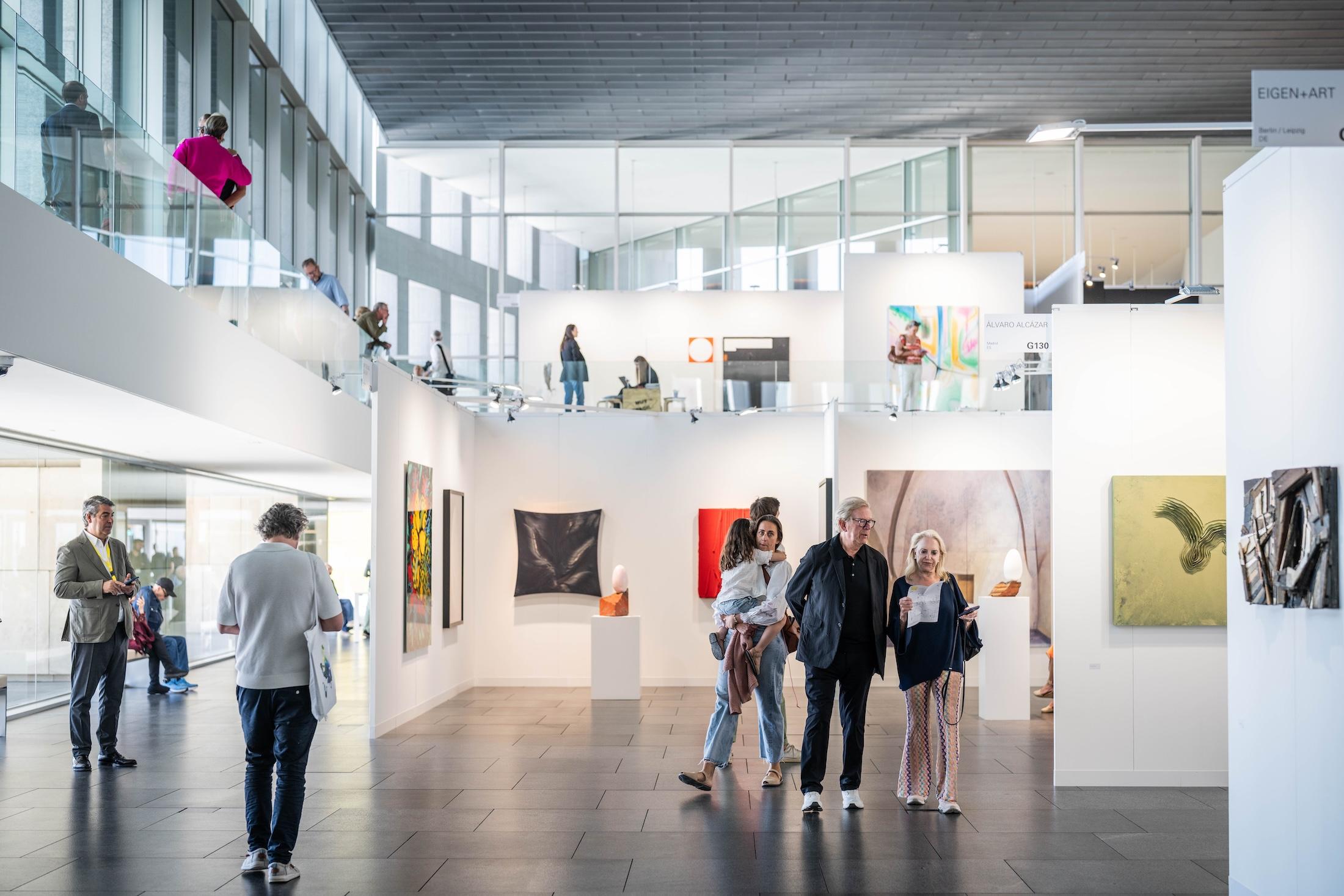
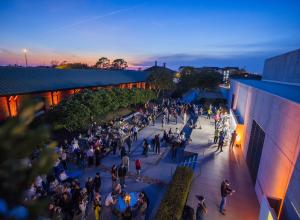
Courtesy of ART COLOGNE PALMA MALLORCA
Impressions from ART COLOGNE PALMA MALLORCA 2026.
Art Cologne was born out of frustration back in 1967. Germany's post-war art market had gone quiet and closed-off, so a handful of dealers decided to try the opposite of the usual private, invitation-only affair: something public, something a middle-class collector could walk into feeling just as welcome as a wealthy one. Nearly 60 years later, that founding spirit still shapes how the fair feels today.
This month, the 59th edition ran November 5–8 at the Koelnmesse, arriving at an interesting moment for the industry. Between 2021 and 2024, 129 art fairs closed worldwide, while only 69 new ones opened—a rough ratio that has pushed galleries to think hard about which fairs are actually worth a booth. Against that backdrop, Cologne is growing; this year brought together 164 galleries from 22 countries, and around 45,000 visitors.
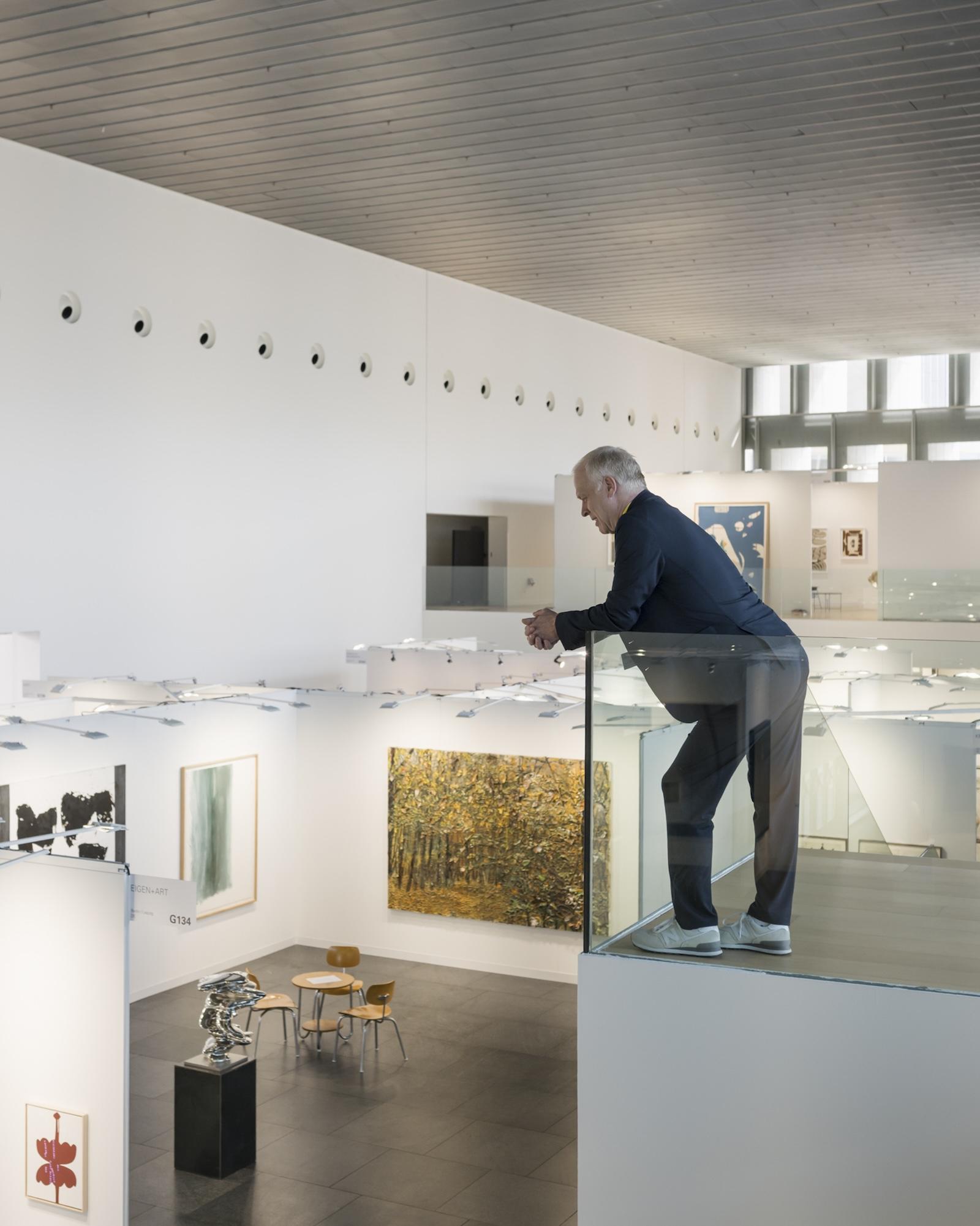
Courtesy of Daniel Hug and ART COLOGNE PALMA MALLORCA
Daniel Hug at ART COLOGNE PALMA MALLORCA 2026.
What hasn't changed is the fair's reluctance to treat sales like transactions. Its online catalogue stays deliberately sparse—just a small sampling of works, paired with a direct line to the gallery—because the goal is real relationships, not one-click purchases. It's an old-fashioned idea, and Cologne has never apologized for it. The broader market, per the 2026 Art Basel and UBS report, is still growing overall, just unevenly. However, it's exactly that kind of uneven consolidation that rewards fairs willing to do things the slow way.
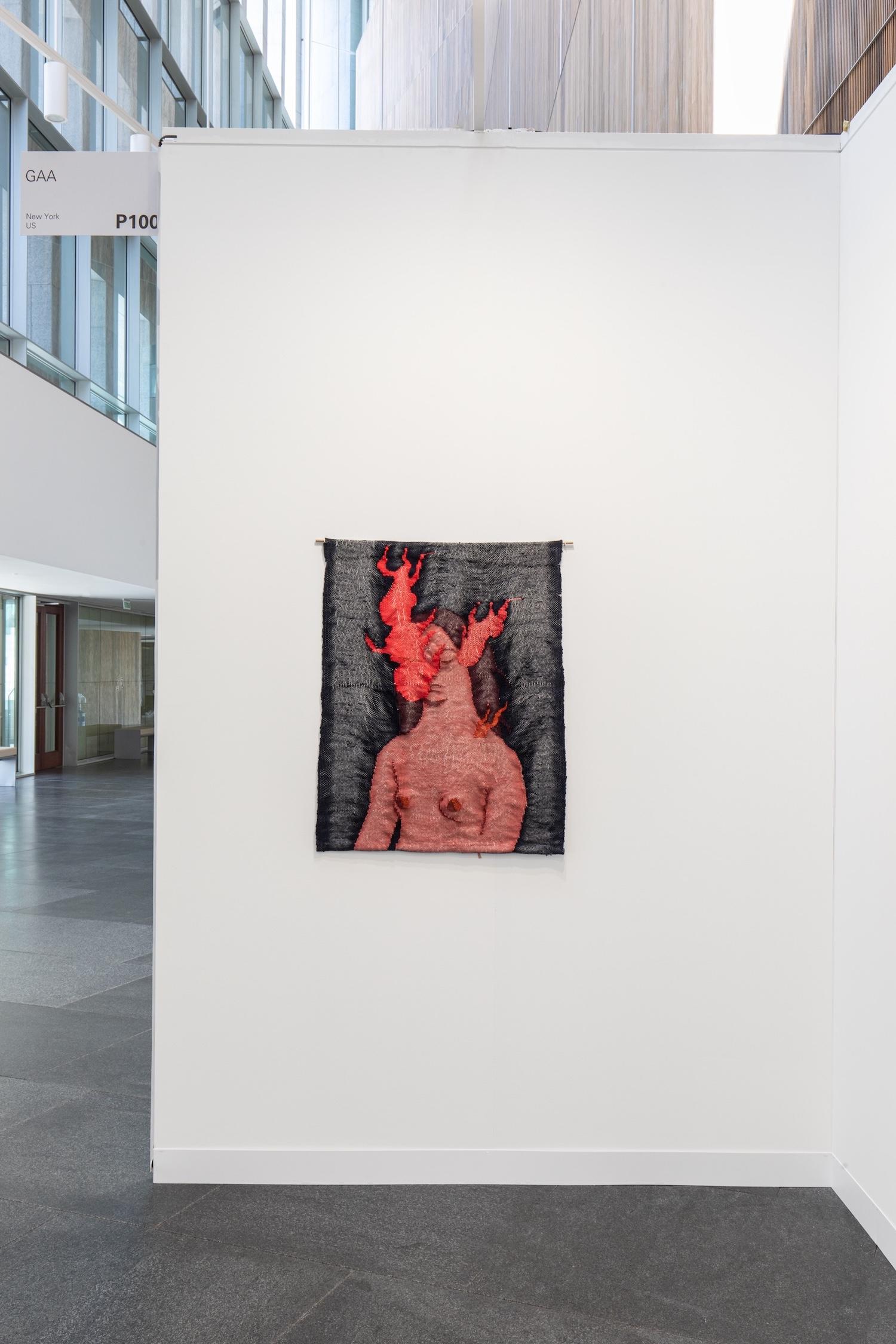
Photo by Gabriele Abbruzzese. Courtesy of the artist and Gaa.
Installation view of Gaa Gallery booth at ART COLOGNE PALMA MALLORCA.
One can hear that philosophy in how people who've spent decades in the industry talk about the fair. Daniel Hug, who's directed Art Cologne since 2008, is widely credited with keeping it relevant without changing what it fundamentally is—adding categories, launching Palma Mallorca, but never chasing trends just because they're trendy.
"Art Cologne has a unique place in the art world as the oldest fair dedicated to modern and contemporary art," says Bastienne Leuthe, Head of Post-War and Contemporary Art at Christie's Germany. "Since its founding in 1967, it has helped shape the European art market while remaining true to its identity. At a time when many fairs are merging or disappearing, Art Cologne stands out by prioritizing quality, scholarship, and long-term relationships."
For many exhibitors, it's simply home turf. "Art Cologne is a very important fair for us—not least because Cologne is one of Gaa's home cities—and we have participated consistently for the past five years," says Alex Heckler, co-owner of Gaa Gallery. This month, the gallery gave Berlin-based artist Monika Grabuschnigg a solo booth in Neumarkt, showing new wall- and floor-based sculptures that turn familiar objects into meditations on desire, memory, grief, and the pressures of contemporary life.
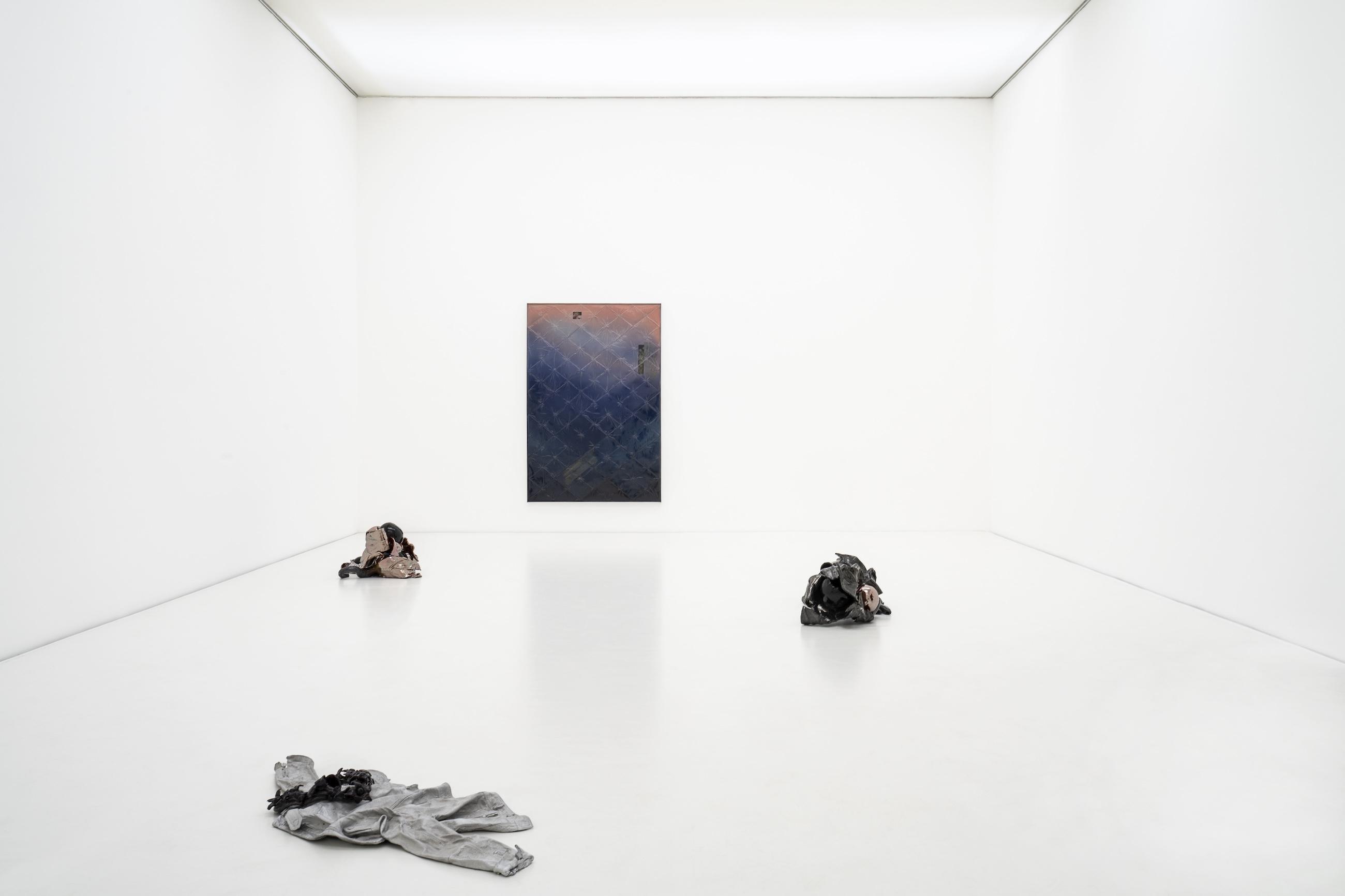
Photo: Christa Engstler. Curated by Christine Lederer. Courtesy of Kunstraum Remise Bludenz and the artist
Installation view of Monika Grabuschnigg’s exhibition Tears don't burn, Kunstraum Remise, Bludenz, 2026.
Other galleries use Cologne as a bridge, introducing artists from home to a German audience that already knows how to look closely. Dilara Altuğ, Director of Dirimart Gallery in Turkey, has been coming back since 2013. "We are presenting works by Ayşe Erkmen, Karin Kneffel, Özlem Günyol & Mustafa Kunt, Anselm Reyle, Nasan Tur, and Jorinde Voigt," she said ahead of the fair. "Art Cologne offers a particularly meaningful context for our gallery, as many of the artists we represent are either based in Germany or closely connected to its contemporary art scene."
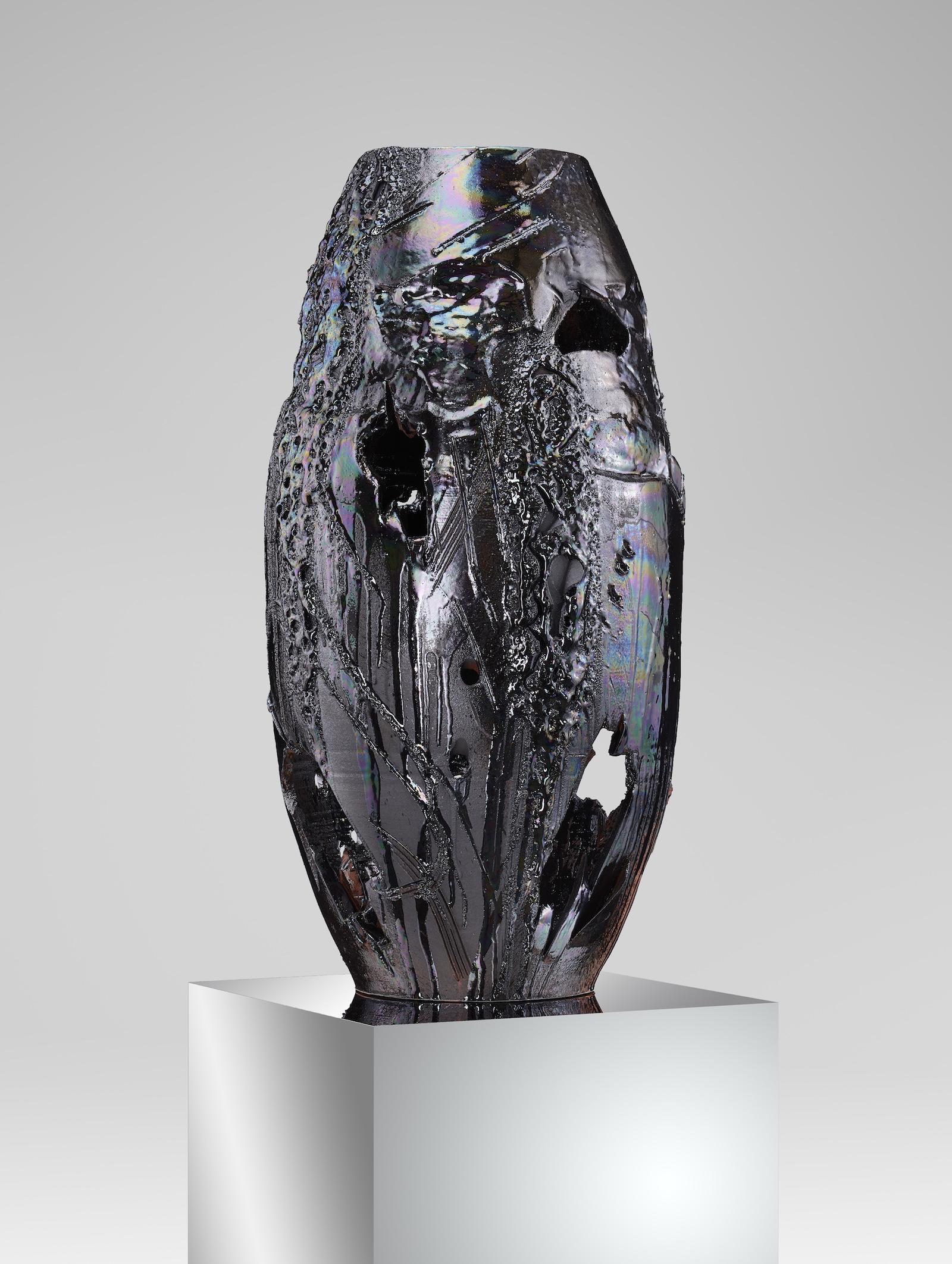
Courtesy of Dirimart Gallery
Anselm Reyle, Patchoulli Blue, 2025, Ceramics, iris lustre, 77 x 39 cm.
Ask people why this fair has held up while so many others haven't, and the answer is the same: it never stopped taking the work seriously. "There's a particular etiquette to how art is dealt and presented there, and for me, it represents something close to the highest form of the culture, precisely because it stays tethered to intellectual discourse," says Wills Baker, Principal of WILLSSORCE LLC.
That seriousness extends to the subjects the fair is willing to sit with. Among this year's presentations was a solo show of work by Zhanna Kadyrova, a Kyiv-based artist who works across sculpture, photography, video, and performance, and who regularly travels into war zones to witness the devastation firsthand. "We [prepared] a solo exhibition by Zhanna Kadyrova at Art Cologne for November 2026," says Silvia Van Espen, Art Director of ZAHORIAN & VAN ESPEN gallery. Kadyrova was awarded Ukraine's Shevchenko National Prize in 2025 and represents the country at the national pavilion of the 61st Venice Biennale.
Nearly 60 years on, the throughline hasn't moved: Art Cologne is a fair willing to back work that matters, sold by people who genuinely know the artists, in a market that's quickly losing patience for anything less.