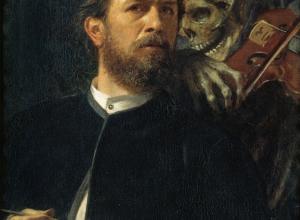



Artists, art historians, and art lovers, in general, are known for having impeccable taste and an eye for detail.
Art News
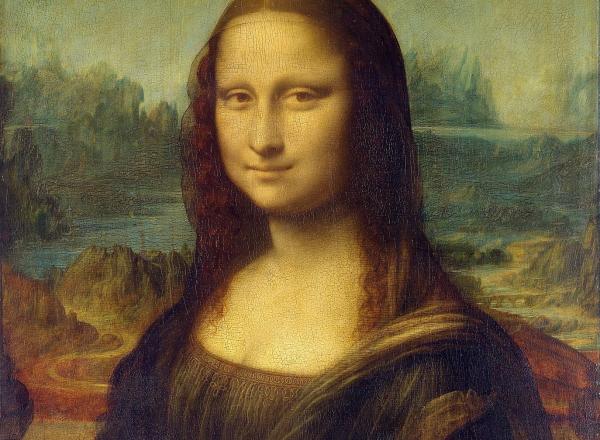
Many famous paintings have gone by different names over the years. And the reasons as to why this has happened can be fascinating.

Archaeology is a field that is constantly producing new and exciting finds, yet most people may not realize that many actually come from beneath the surface of the world’s many oceans, seas, rivers, and lakes.
Ahead of ars publicata's launch on October 27th, Art & Object got an exclusive sneak peak into the mind of its CEO and co-founder, Pauline Schellmann.
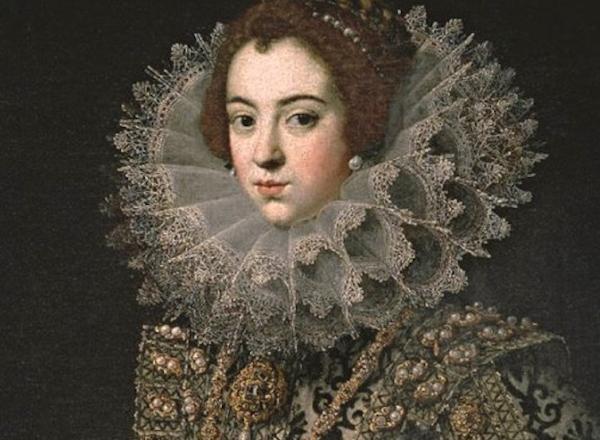
Two and a half years in the making, Threads of Power is now open at the Bard Graduate Center Gallery. It is an impressive show that takes a historical, political, financial, and logical fashion point of view of the subject of lace.

Last week at the National Gallery in London, protestors from the campaign group, Just Stop Oil, threw a can of Heinz tomato soup at Vincent van Gogh’s Sunflowers and glued themselves to the wall of the gallery.
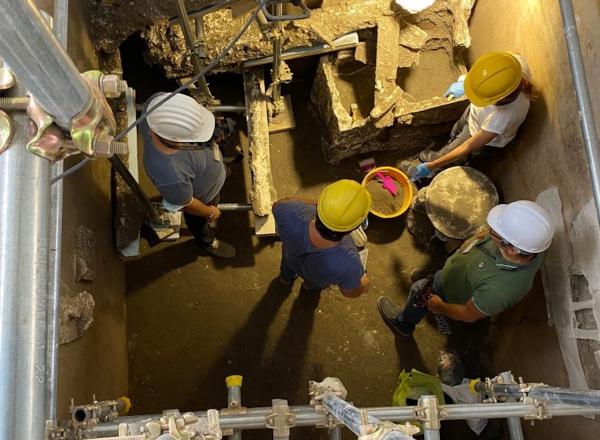
Over the summer, excavators at Pompeii made an insightful and critical discovery that highlights the everyday lives of the non-elite of ancient Roman society, a portion of the population that is so rarely able to be studied. In the Region V site of the archeological park, excavators found a “middle-class” dwelling and its furnishings.
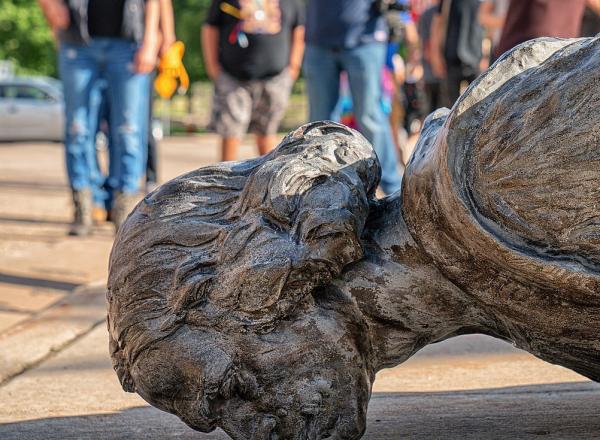
On October 12, 1492, Spanish ships waded into the Caribbean after a three-month-long journey. Led by Italian explorer Christopher Columbus (1451-1506), these Europeans “discovered” the new world, kicking off centuries of exploration, exploitation, and colonization of the Americas.
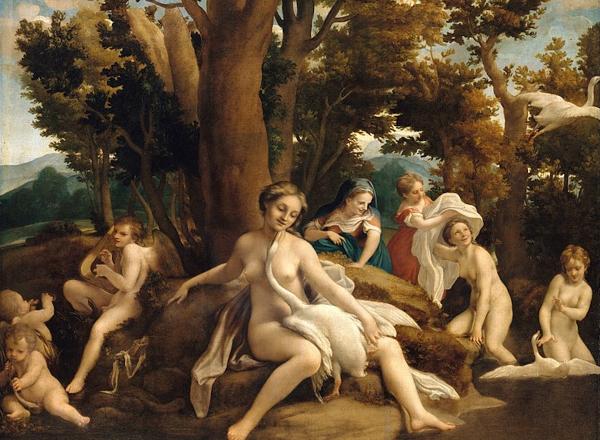
“Leda and the Swan,” a sonnet by W. B. Yeats, begins: “A sudden blow: the great wings beating still/Above the staggering girl, her thighs caressed/By the dark webs, her nape caught in his bill, /He holds her helpless breast upon his breast.” This moment of sexual violation inflicted on Leda by the god Zeus has inspired painters and sculptors for centuries.
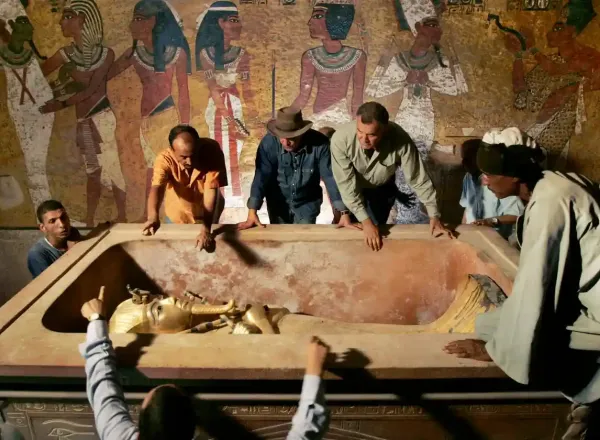
A recent discovery of hidden hieroglyphics in the ancient Egyptian tomb of King Tutankhamun could lead to the findings of Nefertiti’s body and burial chamber.