

At Large  July 29, 2026  Annah Otis

What Billionaire Donors Mean for the Future of Art Institutions

WikiCommons

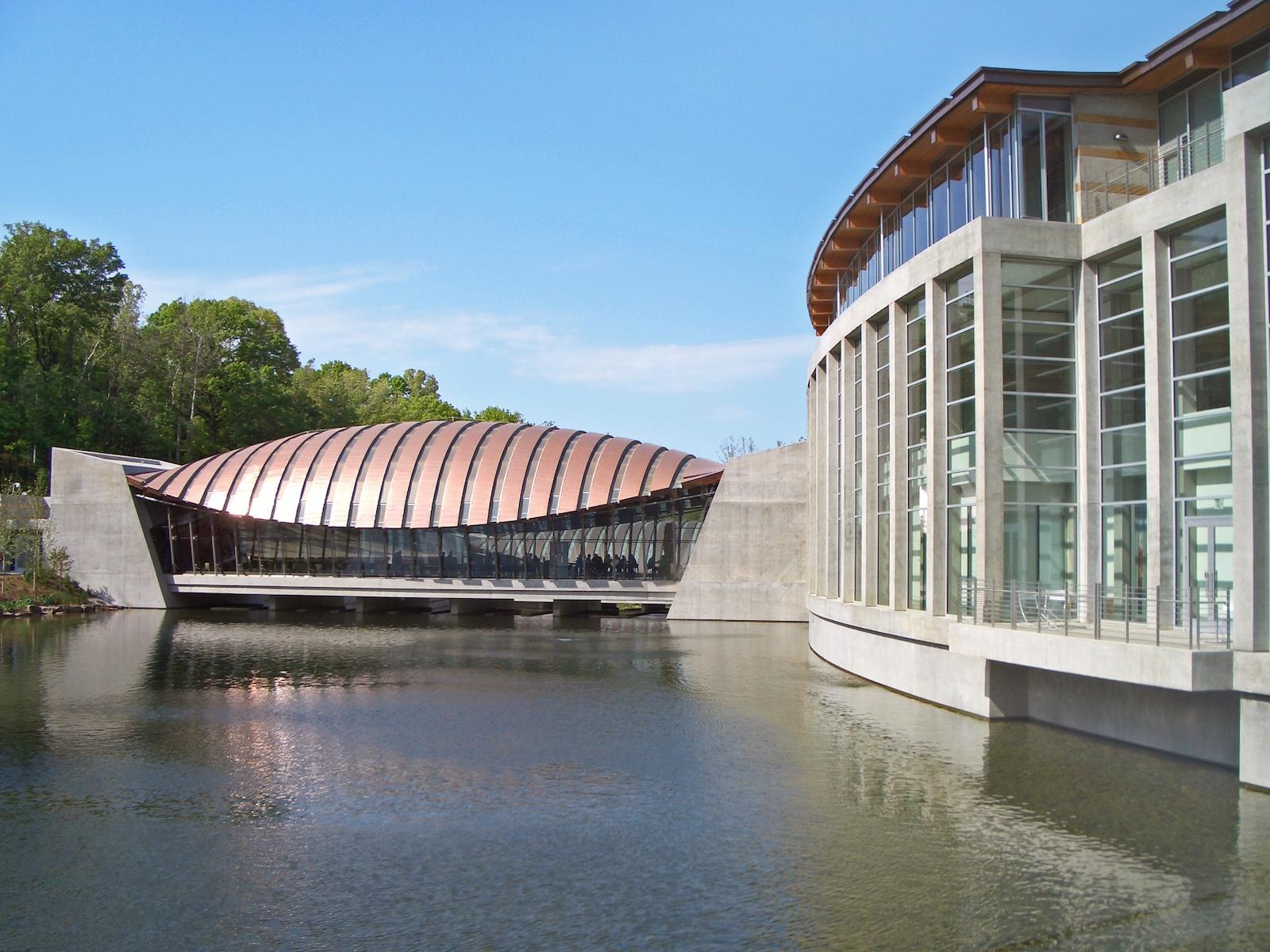
Crystal Bridges Museum of American Art, founded by Walmart heiress Alice Walton in 2011. License.

A new influx of nine-figure gifts is reshaping American arts institutions as the second Gilded Age emerges and newly minted billionaires begin hefty rounds of giving. This comes as government support for the arts in the United States continues to trail European nations, and philanthropic donations to the arts rose to $25.13 billion in 2024.

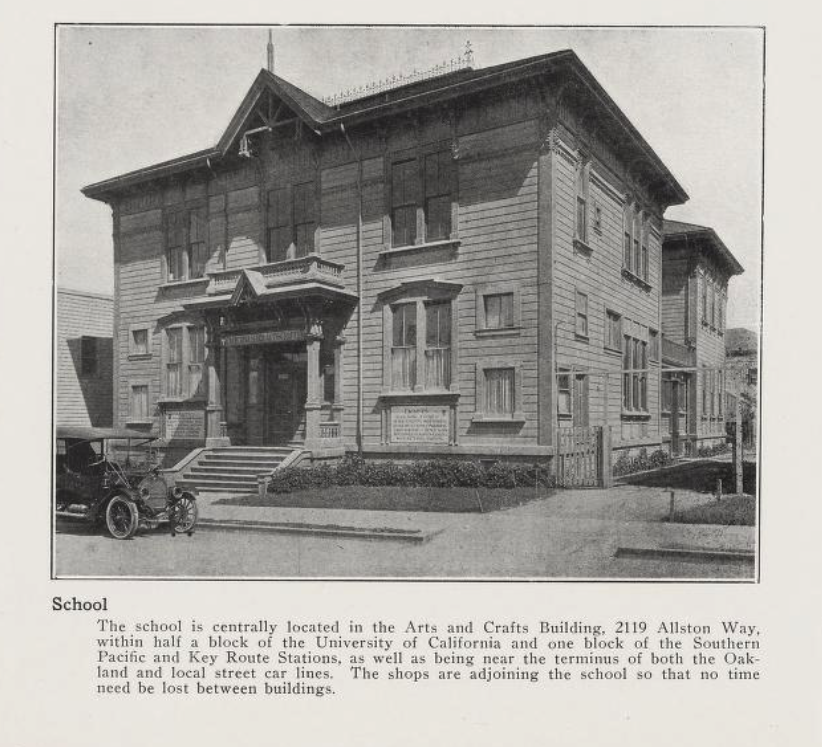
Earlier this month, Nvidia cofounder Jensen Huang and his wife Lori committed $75 million through their family foundation to help Vanderbilt University build a San Francisco art school in the place of the California College of the Arts (CCA). The latter will close next year after 120 years. Combined with an earlier $22.5 million matching gift, the Huangs have now put $97.5 million toward the effort, which helped attract enough additional philanthropy to push the total investment past $100 million. The new Jen-Hsun and Lori Huang College of Art, Architecture and Design will offer undergraduate and graduate programs, plus community and precollegiate classes. It will also continue to run CCA’s Wattis Institute for Contemporary Arts and digitize the closing college’s archives.

WikiCommons

A California College of the Arts building in 1913. License.

The Huangs' gift arrived alongside other major commitments to cultural organizations this year. In April, Danaher Corporation cofounder and Glenstone Museum founder Mitchell P. Rales gave $116 million to the National Gallery of Art, the largest programming gift in the museum’s history. The donation funds a program launched in 2025 called Across the Nation that sends works from the National Gallery’s collection to institutions throughout the country. It covers shipping, insurance, and display costs, so these smaller museums can access the works of artists like Georgia O’Keeffe and Mark Rothko. The National Gallery itself was founded on a similar model nearly a century ago, built on funding and art donated by Gilded Age banker Andrew W. Mellon.

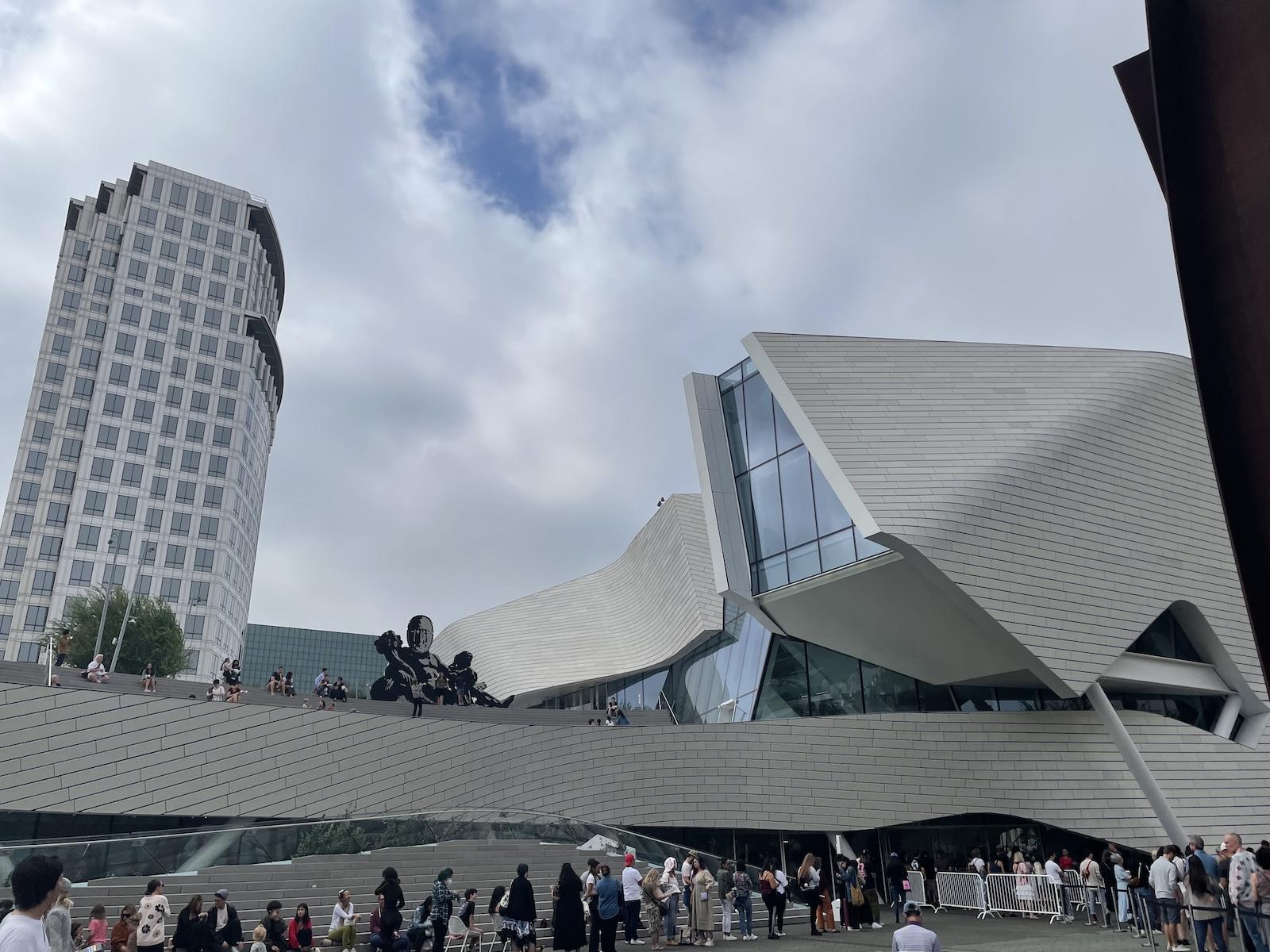
Yet, today’s billionaire donors are operating in a much different environment than their 19th-century predecessors. American fortunes are now made and spent far from New York, while world-class institutions already exist in most other major cities, so new money is increasingly flowing toward regional museums and emerging categories of art. Alice Walton’s Crystal Bridges Museum of American Art in Arkansas and the Orange County Museum of Art’s new building, which was backed by more than two dozen donors giving at least $1 million each, reflect that shift. So does the posthumous donation of $45 million and 331 artworks from software developer Aso O. Tavitian to the Clark Art Institute in rural Massachusetts two years ago.
WikiCommons

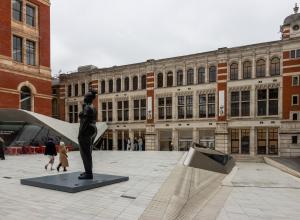
Orange County Museum of Art grand opening in 2022. License.

Some artists, students, and museums have questioned what tech fortunes might mean for the future of their institutions. That tension has been particularly loud in San Francisco where critics have accused arts initiatives—like the Sijbrandij Foundation’s Big Art Loop—of whitewashing the city’s art scene. But, there is no denying that individual donations on the scale of millions are what might save museums struggling to survive amidst government grant-cutting and rising costs. The open question is whether such support can be maintained over time, and if so, how it alters the American arts landscape.

About the Author

Annah Otis

Annah Otis is a New York City-based contributor to Art & Object with a master’s degree in art history. She is also a marketing communications executive.

Subscribe to our free art newsletter!

Webform
Art and Object Marketplace - A Curated Art Marketplace