

The Huangs' gift arrived alongside other major commitments to cultural organizations this year. In April, Danaher Corporation cofounder and Glenstone Museum founder Mitchell P. Rales gave $116 million to the National Gallery of Art, the largest programming gift in the museum’s history. The donation funds a program launched in 2025 called Across the Nation that sends works from the National Gallery’s collection to institutions throughout the country. It covers shipping, insurance, and display costs, so these smaller museums can access the works of artists like Georgia O’Keeffe and Mark Rothko. The National Gallery itself was founded on a similar model nearly a century ago, built on funding and art donated by Gilded Age banker Andrew W. Mellon.
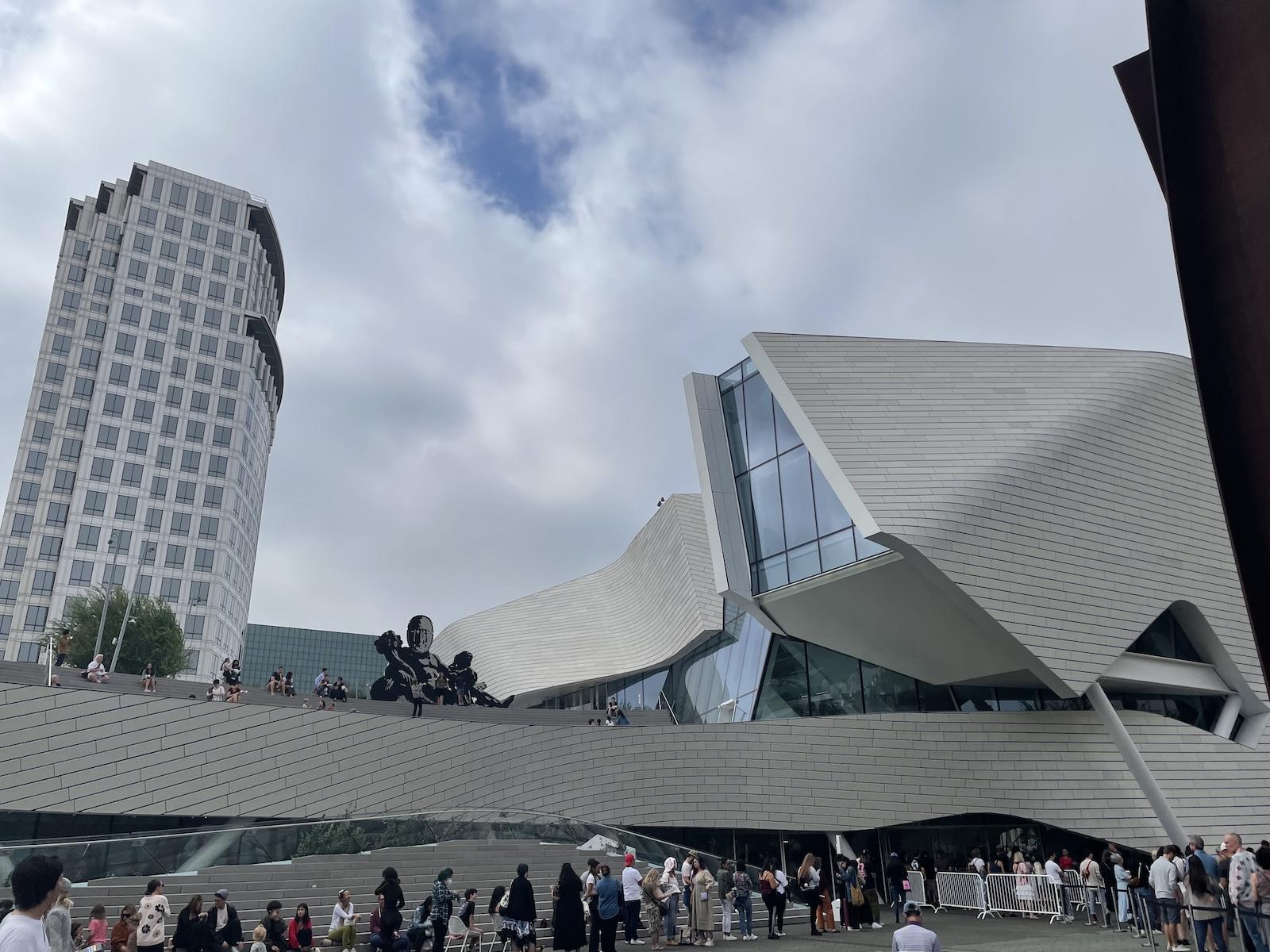
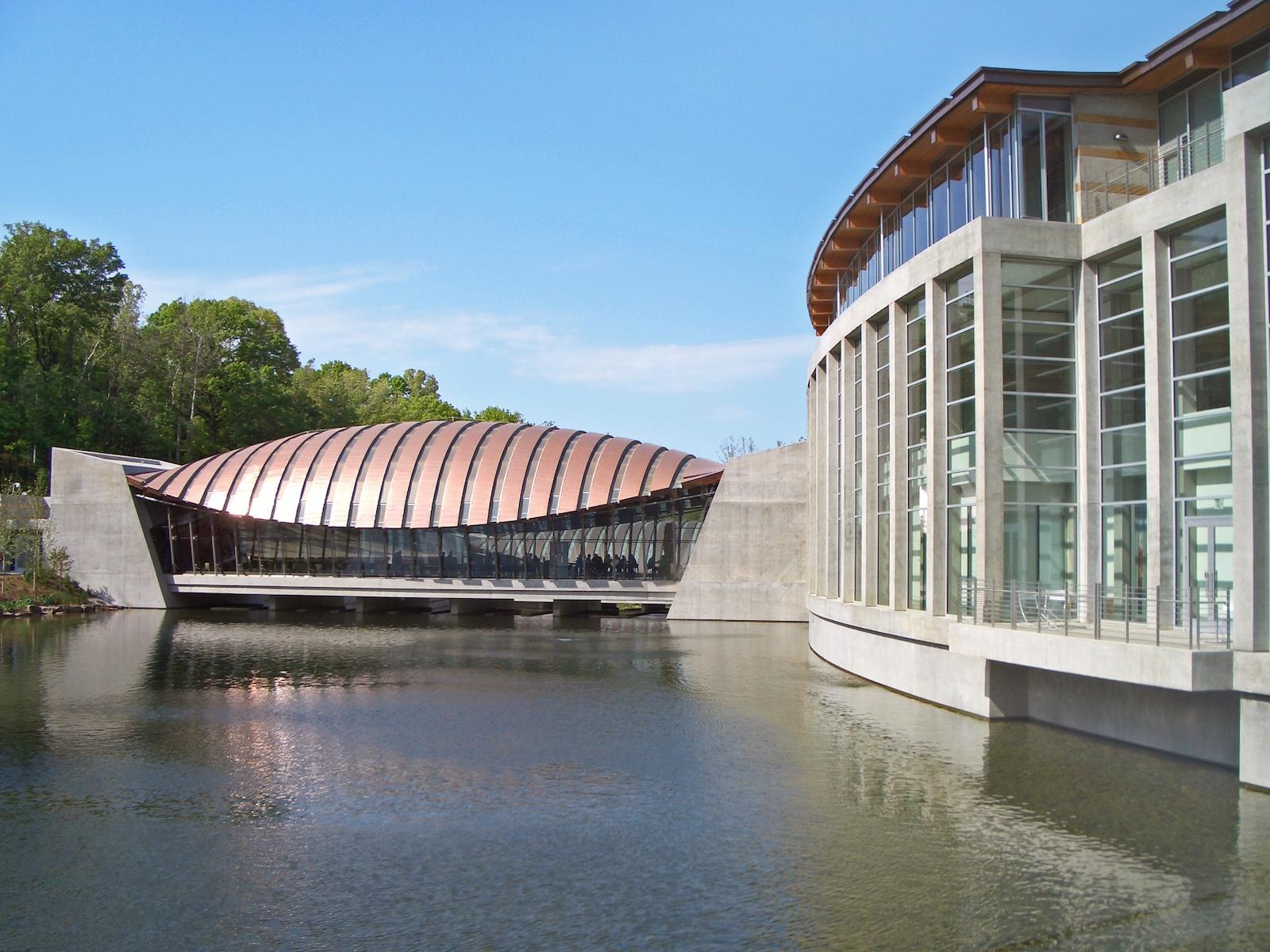
Yet, today’s billionaire donors are operating in a much different environment than their 19th-century predecessors. American fortunes are now made and spent far from New York, while world-class institutions already exist in most other major cities, so new money is increasingly flowing toward regional museums and emerging categories of art. Alice Walton’s Crystal Bridges Museum of American Art in Arkansas and the Orange County Museum of Art’s new building, which was backed by more than two dozen donors giving at least $1 million each, reflect that shift. So does the posthumous donation of $45 million and 331 artworks from software developer Aso O. Tavitian to the Clark Art Institute in rural Massachusetts two years ago.