
Museum  May 20, 2026  Annah Otis

The Met Merges with Neue Galerie

WikiCommons

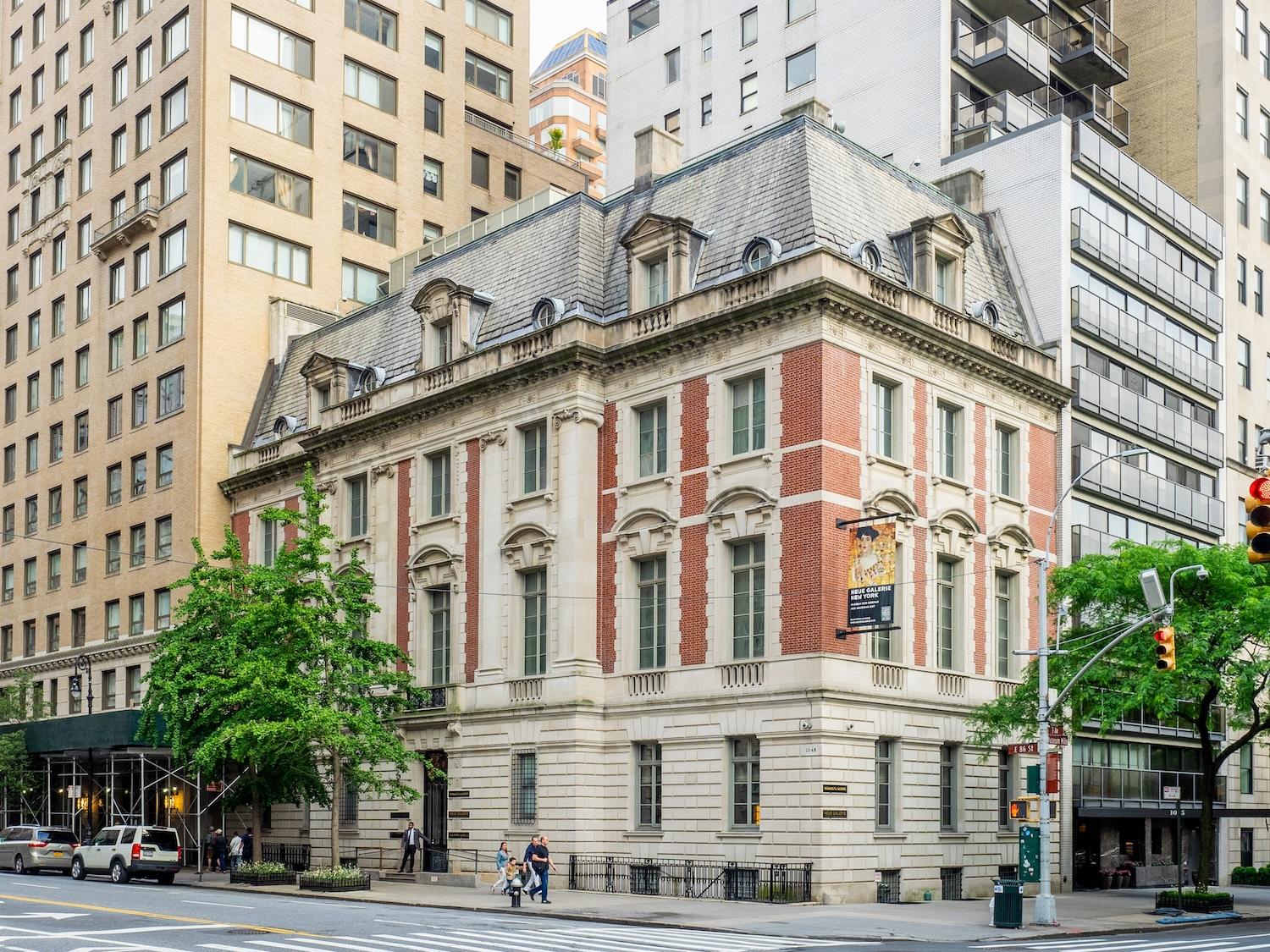
The Neue Galerie, New York City. License.

The Metropolitan Museum of Art’s recently announced deal to merge with cosmetic billionaire Ronald Lauder’s Neue Galerie reflects a quietly growing trend among museums as limited funding and specialized collections press new priorities on leadership. By 2028, the 25-year-old museum of German and Austrian modern art will join the roster of other small institutions subsumed into larger ones during the past decade.

Among them is the Museum of Photographic Arts which folded into the San Diego Museum of Art in 2023. In 2024, the Kirkland Museum of Fine & Decorative Arts merged with the Denver Art Museum where it now preserves its focus on Colorado artists and the holdings of Vance Kirkland as the Kirkland Institute of Fine & Decorative Art. The University of California, Irvine formally acquired the Orange County Museum of Art a year later, integrating it into the Langson Institute and Museum of California Art. Undoubtedly, there are many more examples outside the United States as well.

WikiCommons

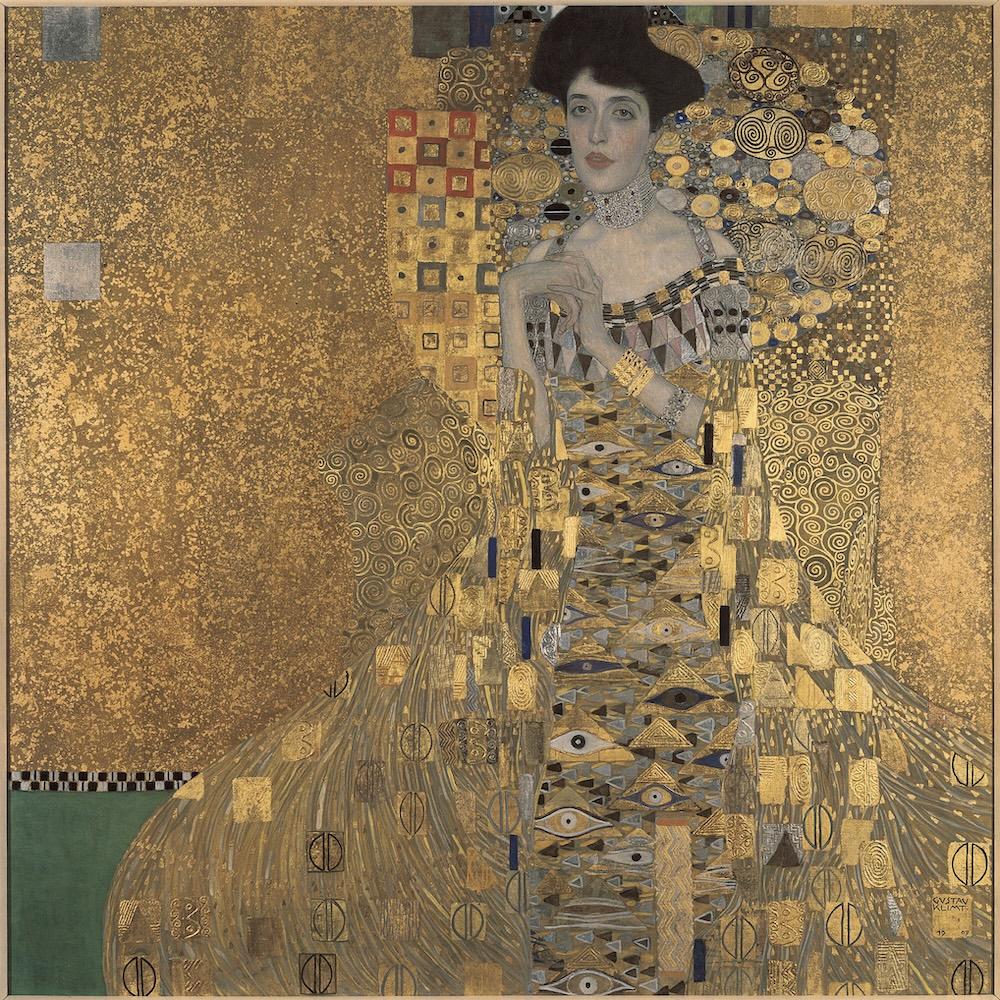
Gustav Klimt, Portrait of Adele Bloch-Bauer I, 1907. License.

Each merger speaks to underlying pressures: rising operating costs, strained endowments, the difficulty of maintaining institutional identity with a small staff, and competition for donor attention and visitor traffic. Some museums have had to close their doors altogether.

Yet, the Neue Galerie’s deal stands apart in scale and complexity. Lauder’s collection of paintings, sculptures, and decorative artists rooted in the Vienna Secession and German Expressionist movements is valued at more than $1.5 billion. The crown jewel, Gustav Klimt’s Portrait of Adele Bloch-Bauer I, cost Lauder more than $135 million alone when he acquired it in 2006. He and his daughter are also pledging 13 additional works from their private holdings, including Klimt’s The Dancer and Ernst Ludwig Kirchner’s The Russian Dancer Mela.

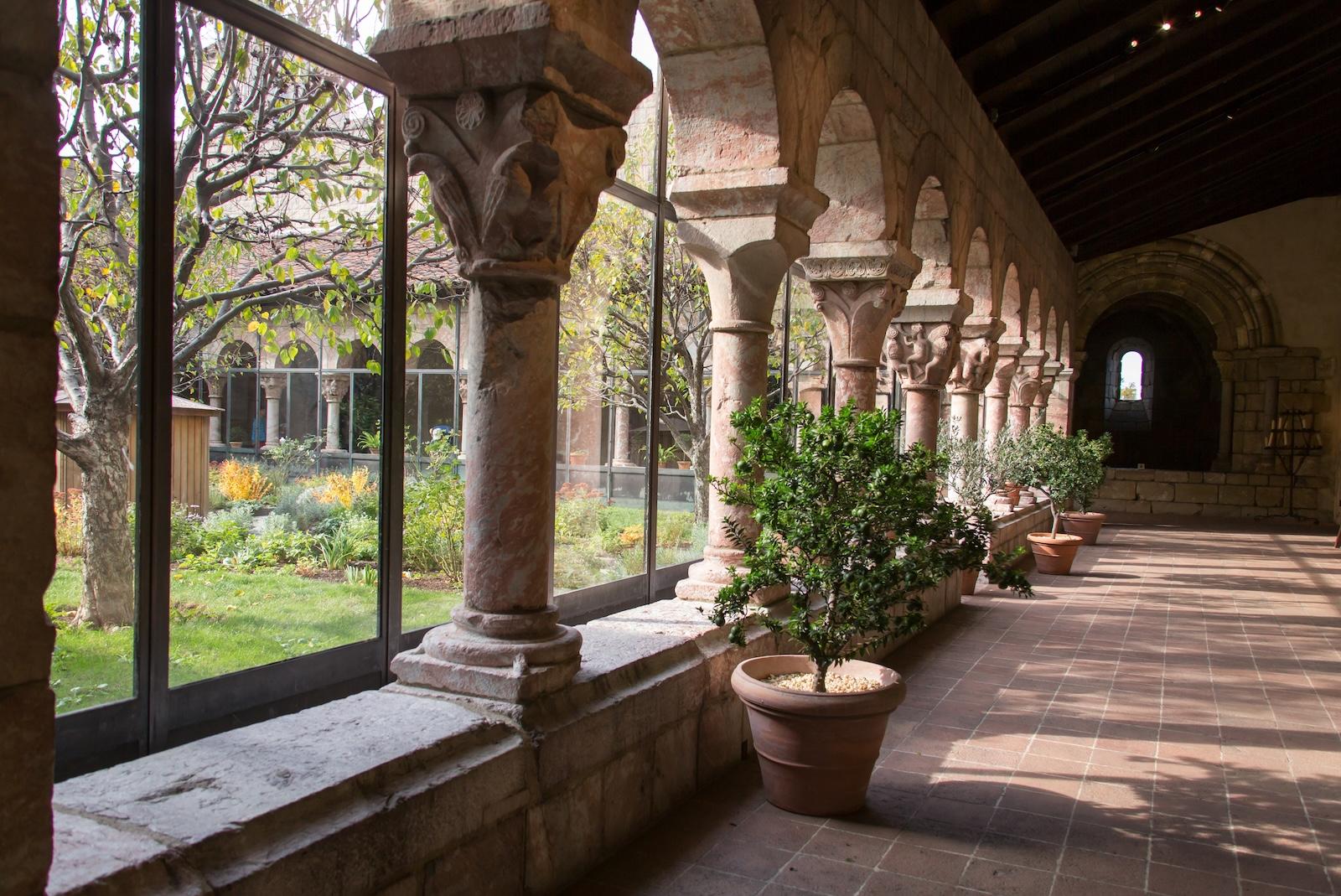
The Neue’s six-story Beaux-Arts mansion on Fifth Avenue will remain open as a dedicated museum space to function as a satellite of the Met with its own architectural identity and programming, similar to how the Rockefeller family’s medieval collection became the Met Cloisters in the 1930s and 1940s. Lauder negotiated protective conditions that will only allow select works to travel to the main Fifth Avenue building for special exhibitions.
WikiCommons

The Met Cloisters. License.

This transfer of a singular private vision into the stewardship of a public institution required substantial financial architecture. While neither institution disclosed the full terms of the deal, they have collectively raised more than 80% of the endowment needed to sustain the Neue’s ongoing operations, led by a gift from Met board member Marina Kellen French. Endowments for museums of this scale are generally around $200 million.

For the Met, the merger fills a gap in its German and Austrian modernism holdings. Artists like Klimt, Egon Schiele, Otto Dix, and Max Beckmann were condemned by the Nazis as degenerate and remained unfashionable after World War II. Lauder honed in on them early and bought his first Klimt drawing as a teenager, helping to bring the artists back onto collector wishlists. Now, this merger will bring them even more into the public eye.

About the Author

Subscribe to our free e-letter!

Webform
Art and Object Marketplace - A Curated Art Marketplace