
At Large  March 23, 2026  Megan D Robinson

How Multimedia Artist Daniel Arsham Builds a Creative Life

Courtesy of the artist

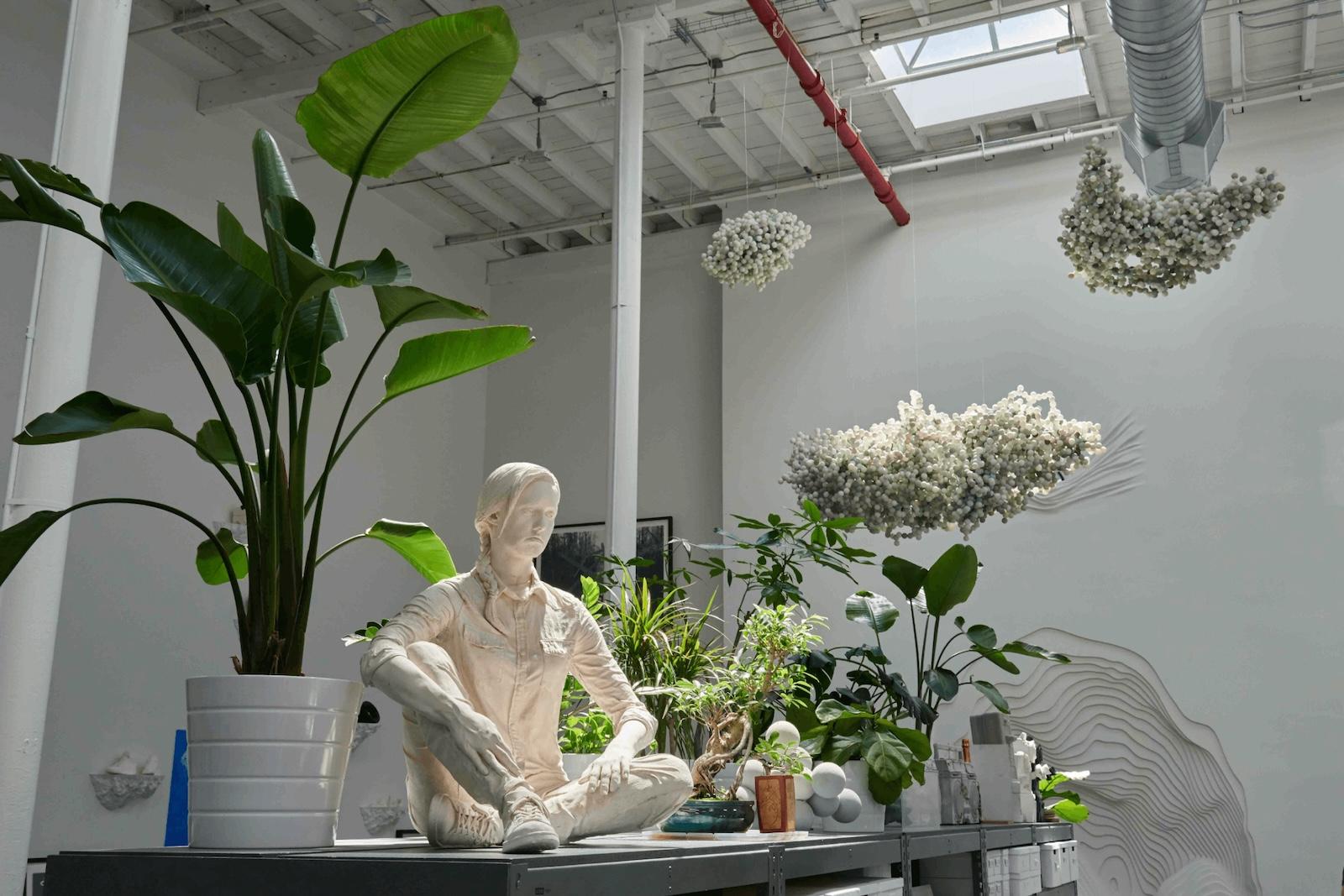
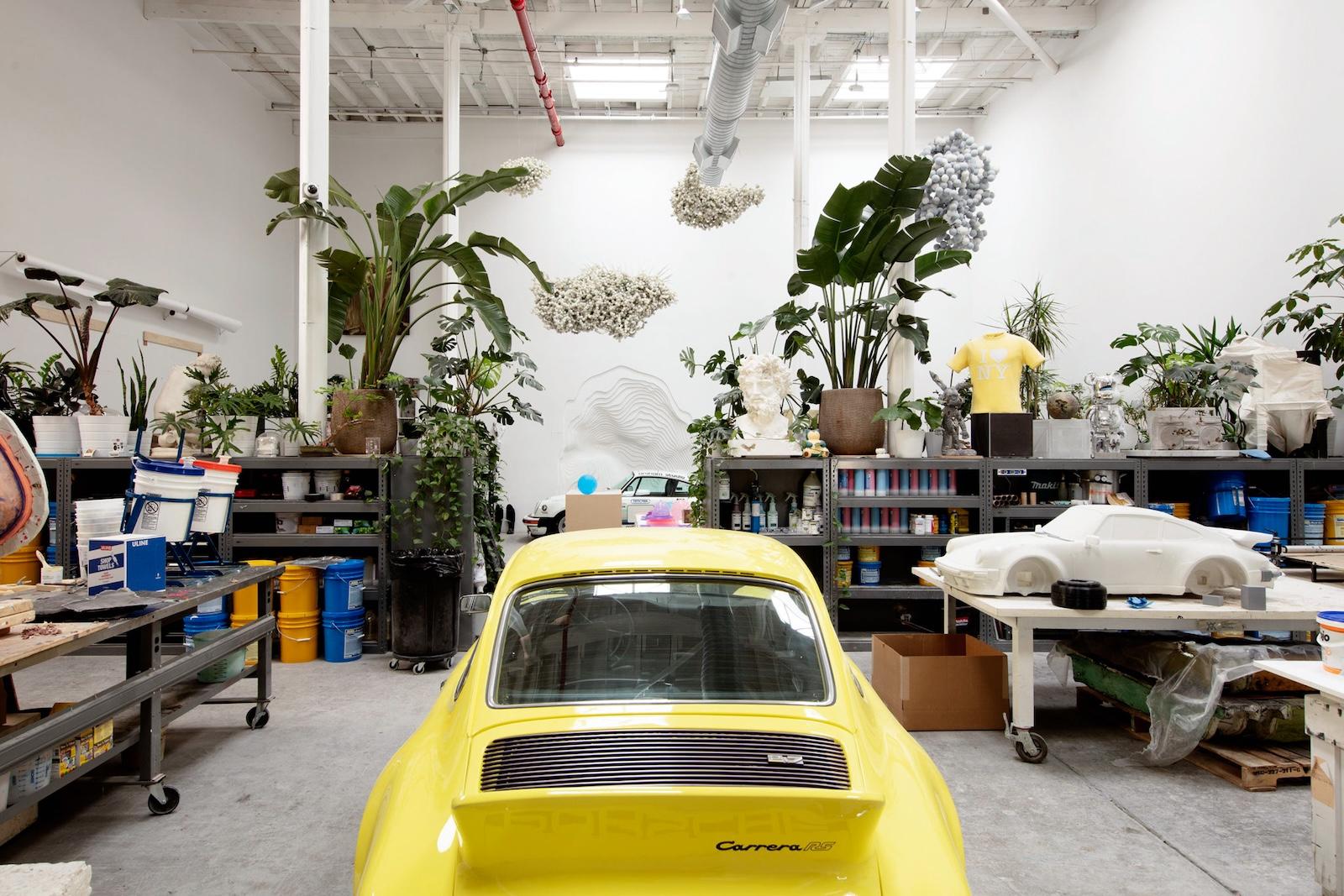
Daniel Arsham studio

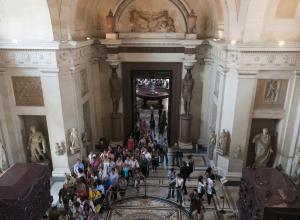
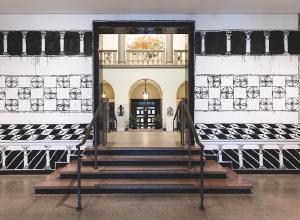
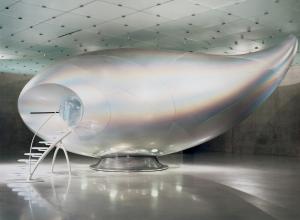
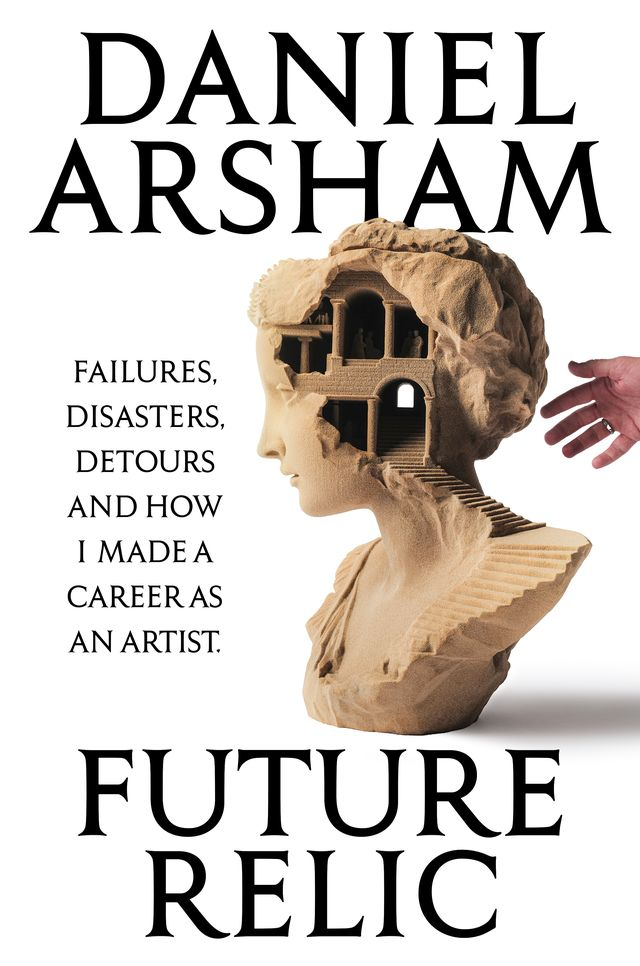
Multimedia artist Daniel Arsham (b. 1980) creates reality-bending pieces across multiple genres, melding art, architecture, and performance. His sculptures, drawings, and paintings juxtapose ancient and contemporary imagery to create fantastical alternate reality landscapes and stunning relics. Ancient-looking busts crack open to reveal labyrinthine rooms and staircases, merging the human form with architecture to create powerful visual metaphors. Now a world-recognized talent, with exhibitions in major national and international museums, collaborations with iconic performers and designers—including Merce Cunningham, Pharrell Williams, and Christian Dior—and a massive social media following, Arsham chronicles how he built his success in his newly released autobiography, Future Relic: Failures, Disasters, Detours, and How I Made a CareerArt & Object talked with the artist about his book and his process.

Courtesy of the artist

"Future Relic: Failures, Disasters, Detours, and How I Made a Career" by Daniel Arsham, book cover

Megan D. Robinson: Congratulations on your book coming out! What do you want people to know about it?

Daniel Arsham: The book is really about how to build a creative life. It’s not just an autobiography. It’s a roadmap for people who want to build something from nothing. When I was starting out, there wasn’t a lot of transparency around how artists actually survive, build relationships, or create opportunities for themselves. I wrote it because I wanted to show younger artists that there isn’t one correct path. Most of what shaped my career came from experimentation, failure, and persistence.

MDR: Were there differences and similarities in creating a book versus your other projects?

DA: A lot of the process was surprisingly similar. I tend to think about everything as a kind of architecture. An exhibition, a sculpture, or a book all require structure and rhythm. The main difference is that writing forces you to slow down and reflect in a way that sculpture doesn’t. In the studio, you are always moving forward. Writing the book meant looking back and trying to understand the decisions that shaped the work.

MDR: Does your artistic process influence your writing process?

DA: Definitely. My work is about layering time, references, and ideas together. The writing process worked the same way. I was pulling from memories, projects, mistakes, and conversations that happened over 20 years. In the studio, I often work through iteration, making many versions until something feels right. The book was similar. It was a process of refining and removing until the story felt clear.
Courtesy of the artist

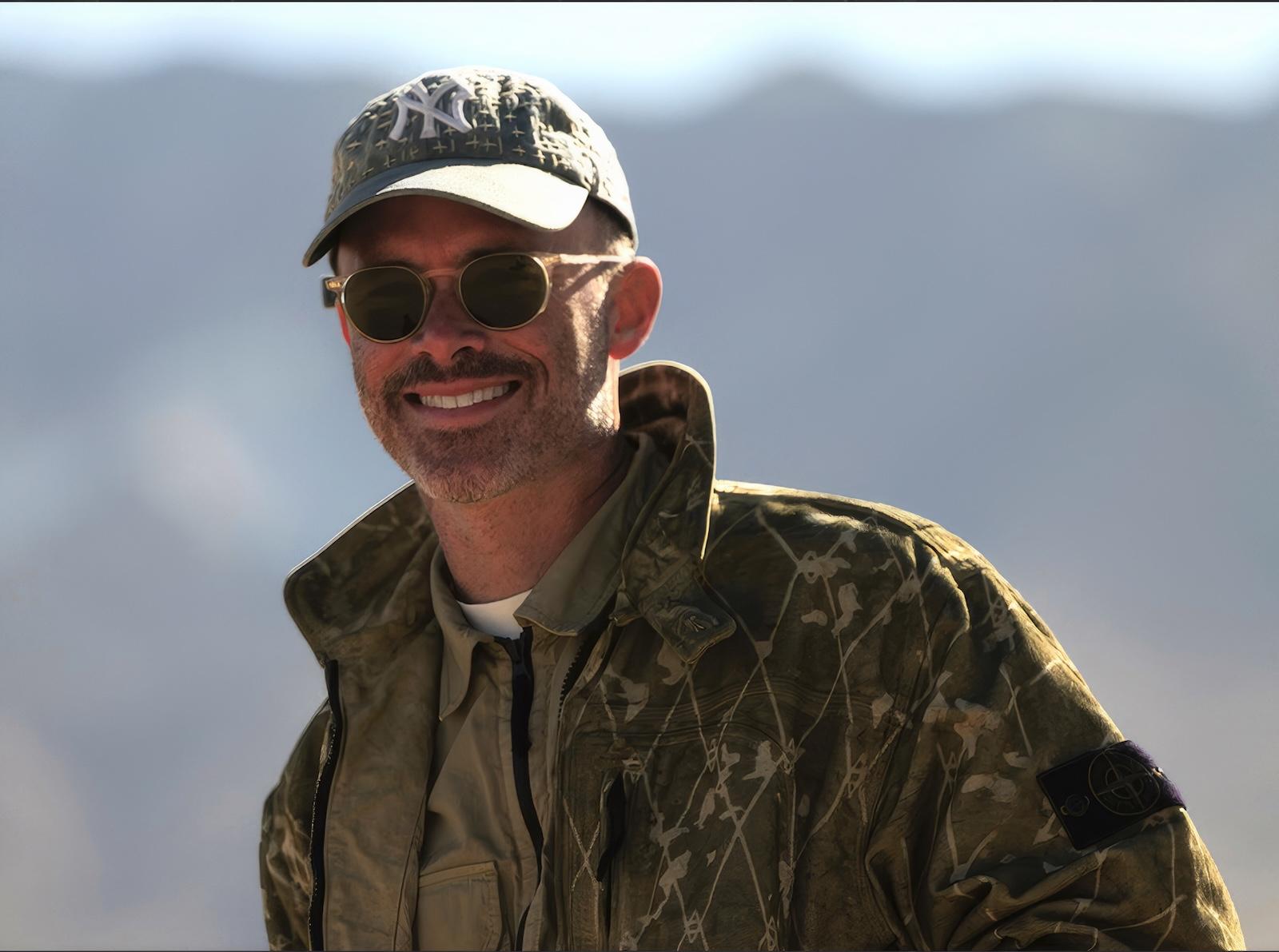
Daniel Arsham headshot

MDR: Some of your pieces integrate sound. Why is this important?

DA: Sound is one of the most powerful ways to shape an environment. Sculpture is usually thought of as something purely visual, but I’m interested in how space can be experienced more completely. When you add sound, it changes how people move through a space and how they remember it. It turns an artwork into something atmospheric rather than just an object.

MDR: Collaboration has been a big part of your career. What have you and your work gained through collaboration?

Courtesy of the artist

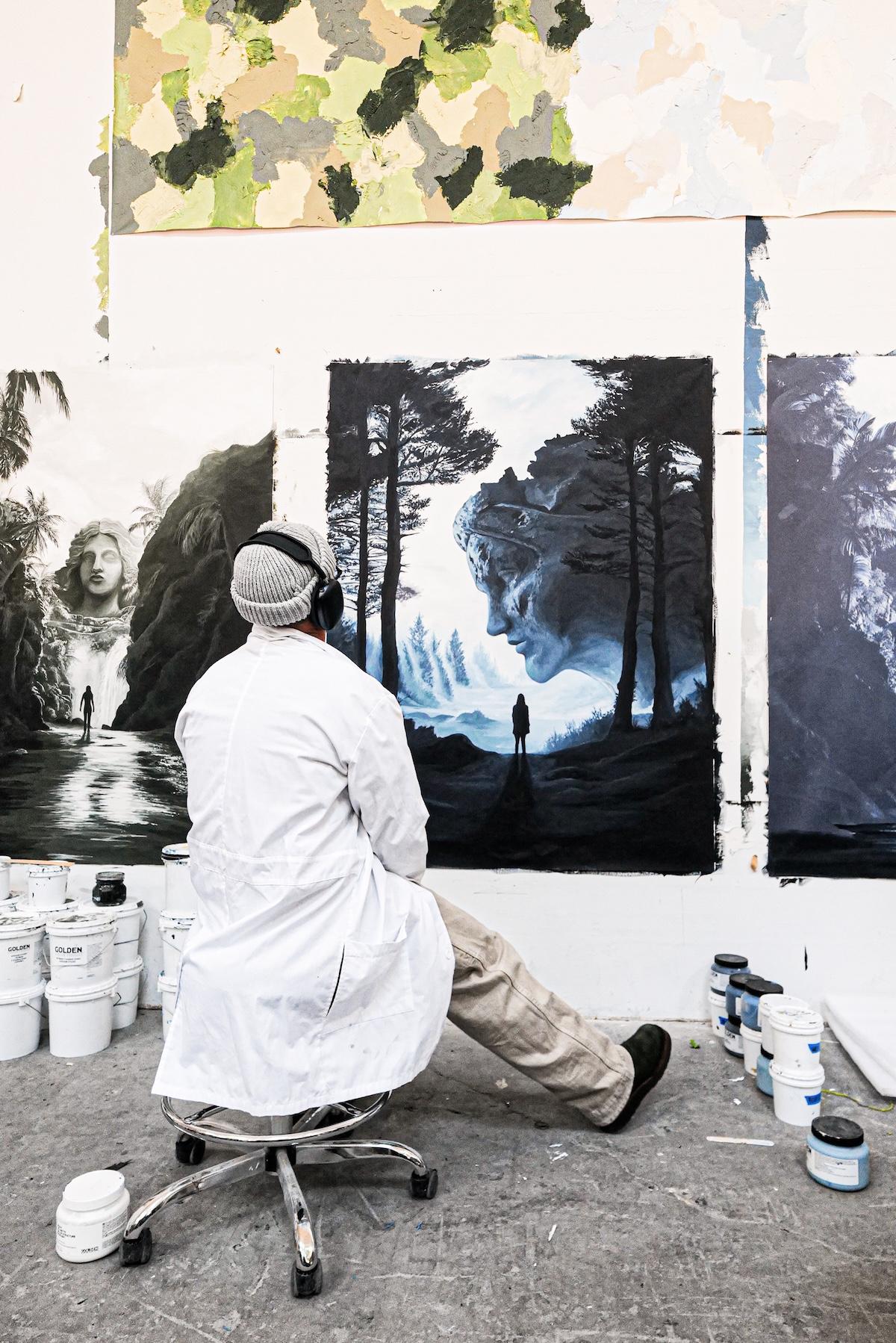
Daniel Arsham in his studio

DA: Collaboration expands what’s possible. No one works in isolation. Whether it’s engineers, musicians, architects, or designers, working with other people introduces perspectives that push the work somewhere unexpected. Many of the projects I’m most proud of happened because someone else brought an idea or skill set that I didn’t have.

MDR: What advice do you have for young and emerging artists on surviving and thriving at a time when AI is having such a negative impact?

DA: Technology always changes the tools artists use, but it doesn’t replace the core of what artists do. What matters is developing a point of view that is unmistakably your own. AI can generate images, but it can’t live your life, build relationships, or create meaning through experience. My advice is to focus on building a body of work that reflects how you see the world. Authenticity is still the most valuable thing an artist can offer.

MDR: Why do you use deconstructed imagery?

DA: I’m interested in the idea that objects and images carry history inside them. By eroding or fragmenting them, I’m imagining how they might appear centuries from now. It’s a way of collapsing time. The work becomes both an artifact of the past and a speculation about the future at the same time.

Courtesy of the artist

Daniel Arsham studio

MDR: Your solo exhibition, Various Thoughts, features work from your labyrinth series. What attracted you to this visual imagery? What reactions or responses do you hope to evoke?

DA: The labyrinth is one of the oldest symbolic forms in human culture. Unlike a maze, it has a single path that leads you inward and then back out again. I’m drawn to that idea of movement and reflection. The imagery suggests a journey, but also a kind of mental architecture. I hope people feel a sense of discovery when they encounter the work, as if they are entering a space that invites contemplation.

MDR: Why do you like to juxtapose ancient and contemporary imagery?

DAHistory doesn’t really disappear. It gets layered underneath the present. By placing ancient forms next to contemporary objects, I’m trying to collapse that distance and show how connected these time periods actually are. A smartphone today might be the artifact someone discovers two thousand years from now. The work imagines that future moment.

40.719587163669, -73.9892468

Daniel Arsham: Various Thoughts
Start Date:
March 5, 2026
End Date:
April 11, 2026
Venue:
Perrotin New York
About the Author

Megan D Robinson

Megan D Robinson writes for Art & Object and the Iowa Source.

Subscribe to our free e-letter!

Webform
Art and Object Marketplace - A Curated Art Marketplace