Gallery  January 12, 2026  Lilly Wei

An Appreciation for Children’s Artwork at The Watermill Center

Photo by Lindsay Morris. The Watermill Center, Watermill, NY.

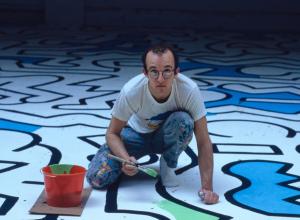
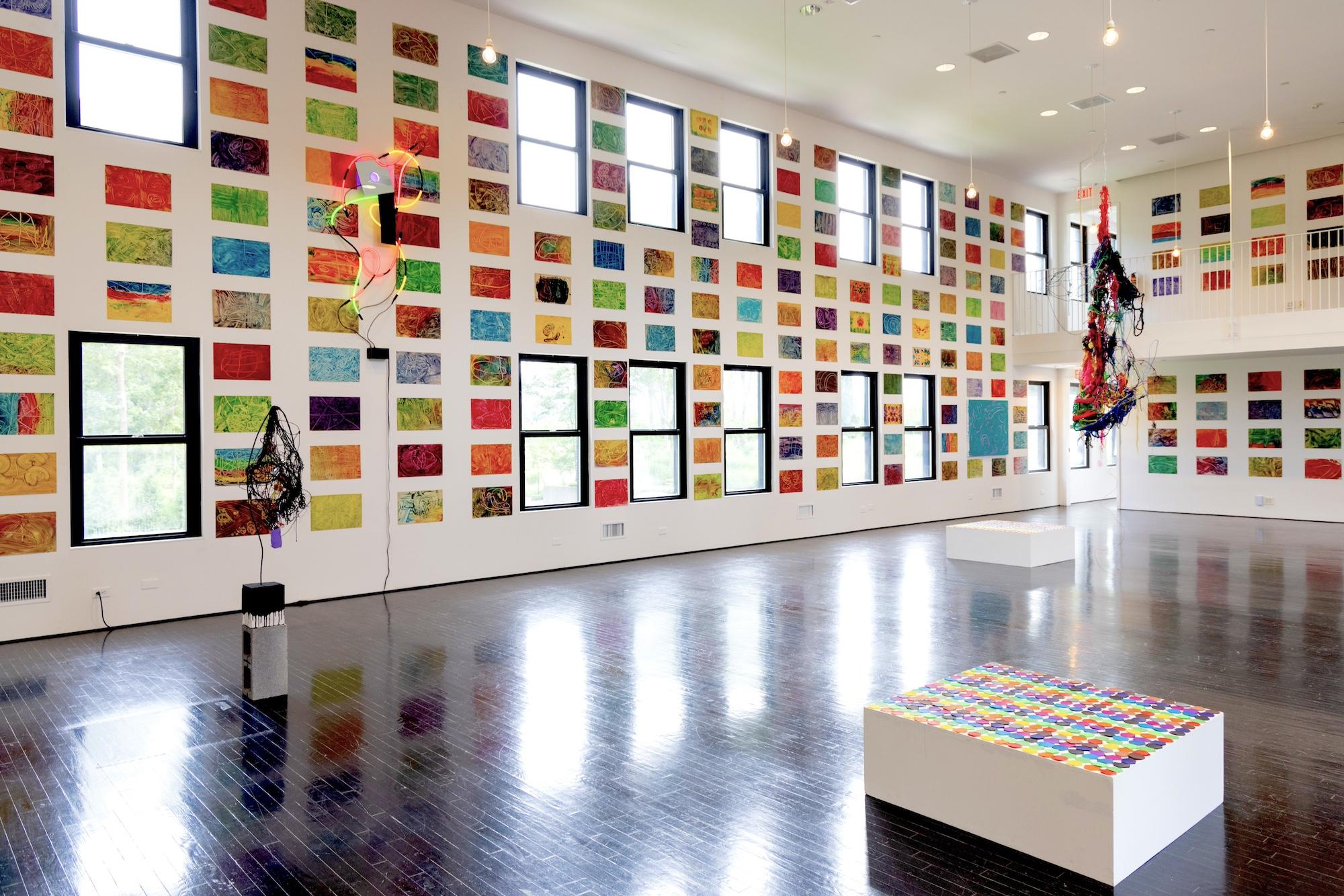
Finger Painting Room Installation Shot. 

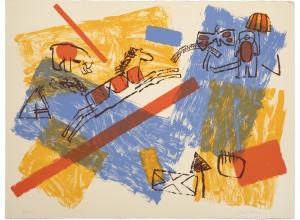
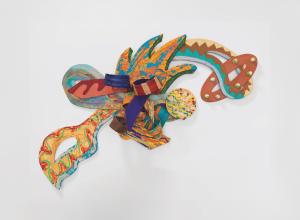
Upside Down Zebra, the felicitously named exhibition at The Watermill Center (the storied experimental art venue and residency founded by the late Robert Wilson in 1992 on Long Island’s East End), is, in a word, dazzling. A gathering of children’s art and their adult peers, judging from this presentation, it was sensitively, meticulously put together by artist Brian Belott and Watermill curator Noah Khoshbin, with educator Jennifer DiGioi—a passion project if ever there was one. It showcases approximately 900 works from the Rhoda Kellogg International Child Art Collection—a fraction of the 2 million works by children between the ages of two through eight from all over the world collected by Kellogg over a 20-year period—and 40 notable contemporary artists, many who made works in response, like Donald Baechler and his 1985 archetypal image of a house, inspired by a drawing from Kellogg’s archive. 

Photo by Lindsay Morris. The Watermill Center, Watermill, NY.

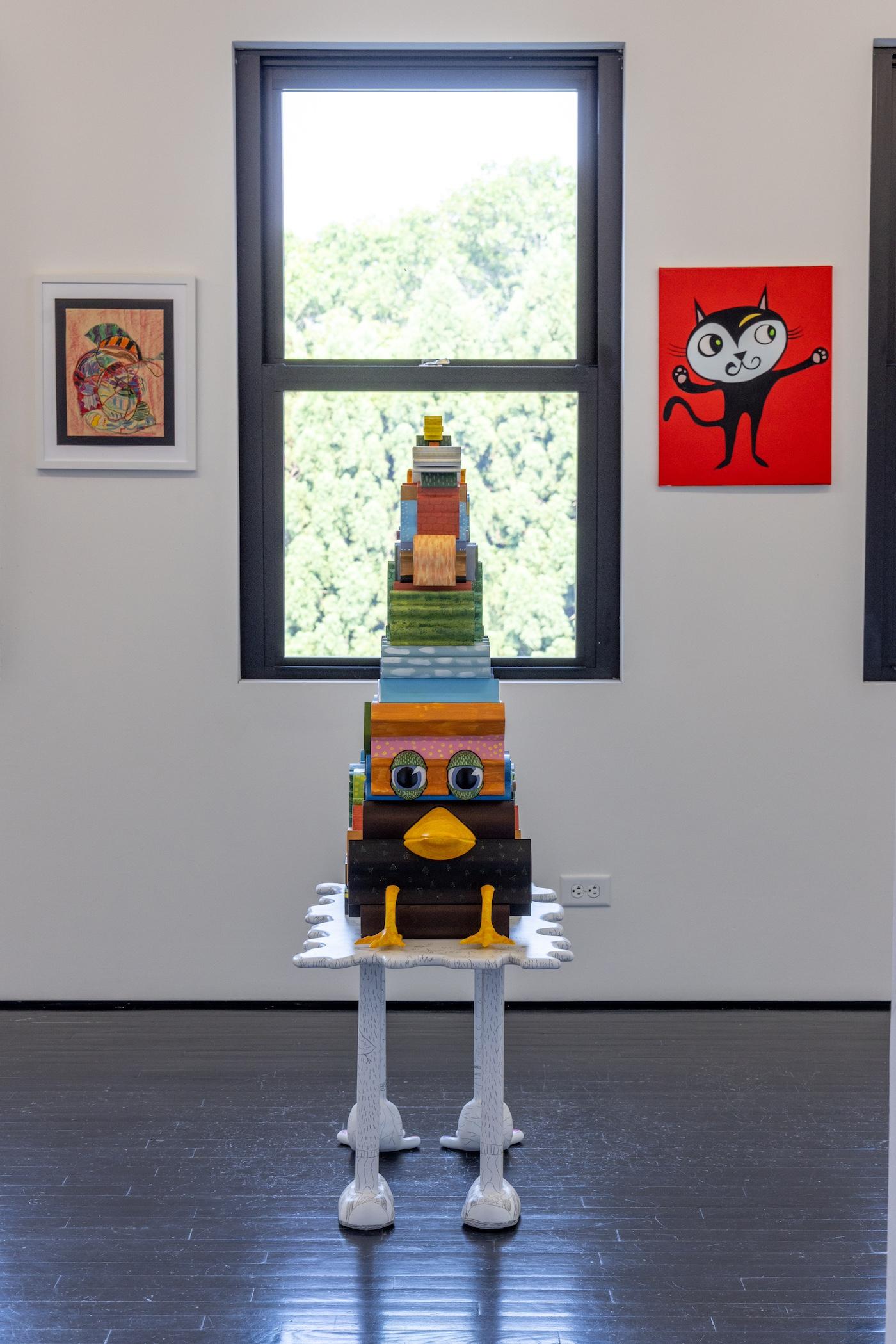
Isla Hansen, Block Party 2025

Children’s art isn’t usually high on the list of must-sees, even if artists such as Matisse and Picasso have longed to return to the state of instinctive creativity that is every child’s birthright. This exhibition’s central thesis is the crucial importance to human development of this self-activated, genetically encoded drive, the children given equal billing with their elders, the work selected of equal competence. A lively—and gorgeous—installation, it is a revelation, the young artists holding their own against, among others, Carroll Dunham, Petrit Halilaj, Misaki Kawai, Richard Tuttle, and Christopher Wool, the exchange enlightening. If it were a competition, I’d call it a draw—between our younger and older selves.  

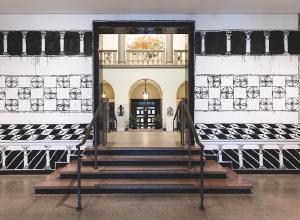
The most eye-catching of the installations is in a spacious gallery that is brilliantly, magnificently awash in color from row after row of the children’s art gridded on the walls—suggesting a cathedral punctuated by the illusion of stained glass—counterpointed by Michelle Segre’s floor pieces, a Keith Sonnier light sculpture mounted high, and other works.
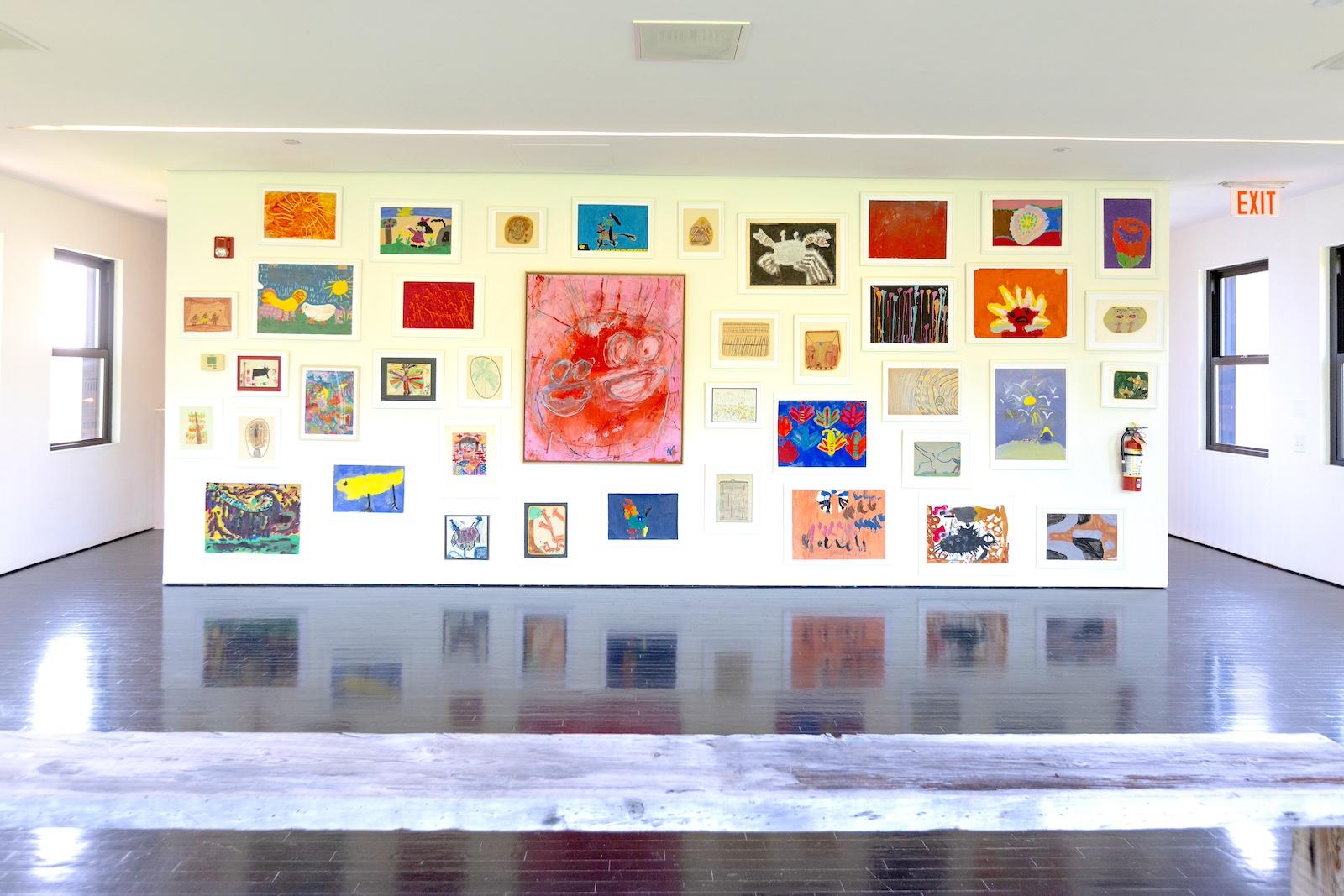
Photo by Lindsay Morris. The Watermill Center, Watermill, NY.

Pictorial Room Installation Shot. 

The presiding genius of the show is Kellogg (1898-1987), a visionary psychologist of extraordinary persistence and the director of a San Francisco nursery school, whom Belott has long championed. In her seminal book, Analyzing Children’s Art, she describes the evolution of childhood drawings as a sequence of simple shapes and configurations with 20 “basic scribbles” that are universal, leading toward pictorialism. Children, she posits, will act independently if provided with appropriate materials (fingerpaint was one favorite, as was tempera) to discover their own singular aesthetic. This includes an innate sense of color—one of the most spectacular and seductive aspects of their work—as well as a sureness of mark-making and placement of forms, charged by a sense of spontaneous play and a liberating lack of self-consciousness. 

Photo by Lucie Jansch. The Watermill Center, Watermill, NY.

Painting Room Installation Shot. 

For all of us who were once children, and that is, of course, all of us, Upside Down Zebra should be required viewing. “My child could have done that” is a judgment not usually intended as praise, but it might be after seeing this remarkable exhibition. 

40.917624363764, -72.36576125

Upside Down Zebra
Start Date:
June 28, 2025
End Date:
February 15, 2026
Venue:
The Watermill Center
About the Author

Subscribe to our free e-letter!

Webform
Art and Object Marketplace - A Curated Art Marketplace