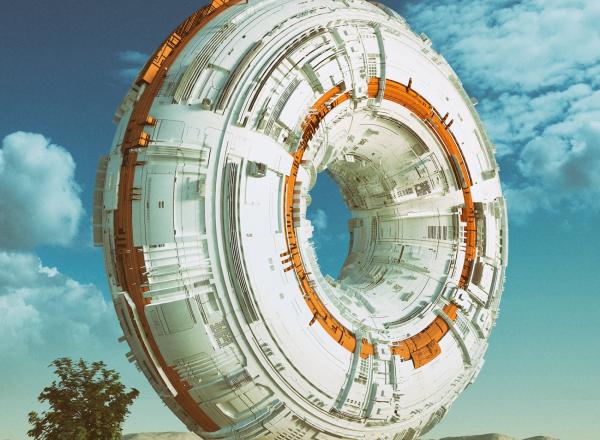
The impending closure of Christie’s digital art department and the reduction in staff working on NFT sales at other auction houses during the past year calls into question the future of once-astronomically-priced blockchain assets.
Latest Art News
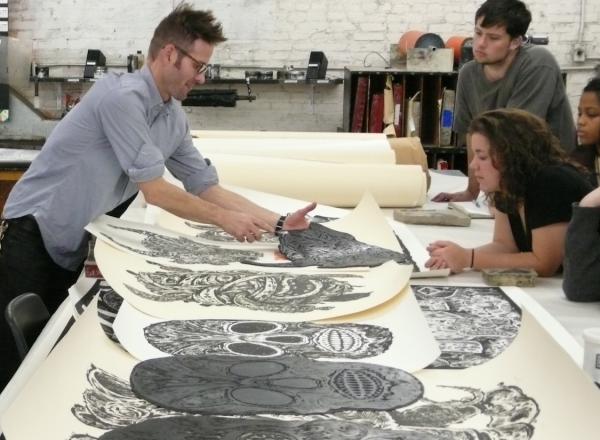
Before he had reached the age of 30, Albrecht Dürer (1471-1528) did something that some of his fellow artists considered somewhat odd: Dürer, a highly skilled painter, devoted a significant portion of his artistic output not to the lucrative creation of paintings but to the making of multiples—woodcuts and engravings intended not as versions of paintings or illustrations for books but to be collected and enjoyed as works of art in their own right.
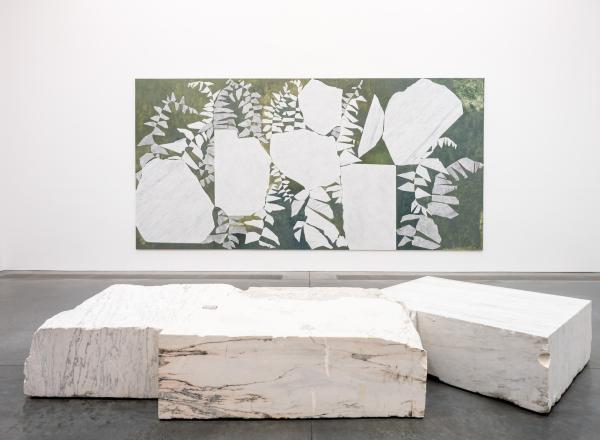
Alone, occupying a single wall in the Parrish Art Museum’s light-drenched first gallery space in Water Mill, NY is an improbably massive (10 feet by 20 feet by 1 inch), strangely delicate sculpture that the artist refers to as a painting. Enigmatically titled Fern Friend Grief Growth (2024), it is made of marble and acrylic on plaster-coated canvas mounted to medium-density fiberboard.
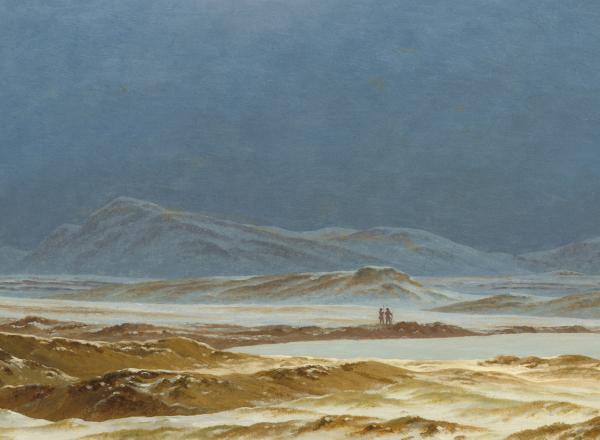
At a time when climate change solutions feel farther from the national agenda than they have in years, cultural institutions across the United States are staging exhibitions that seem like well-timed efforts to keep the environmental conversation alive.
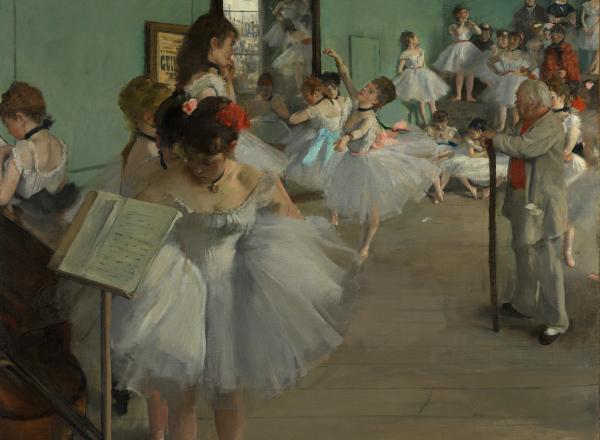
Considered a founder of Impressionism, Edgar Degas actually disliked the label, preferring Realist or Independent. Best known for his paintings and bronze sculptures, Degas was also a printmaker and photographer.
![Ginevra de’ Benci [obverse]. 1474/1478. Leonardo da Vinci. Oil on Panel. Ailsa Mellon Brue Fund, National Gallery of Art.](/sites/default/files/styles/image_10_column/public/ginevradebenciobverse196761a.jpg?itok=1WvZbi09)
Leonardo da Vinci and his works have attained a level of global notoriety unparalleled by many other artists. His paintings, inventions, drawings, and codices are coveted by art and history institutions as testaments to his genius and technical prowess.

What constitutes an artist? Perhaps your first thought is as straightforward as this author's was: An artist is someone who creates masterful works of art. And yet, many masterful artworks, past and present, were created by the artist and a team of assistants.
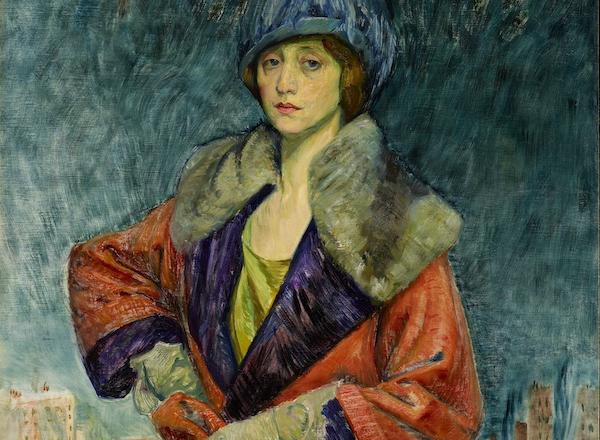
Art historian Jennifer Dasal crafts a window into France’s "Beautiful Age” with her sophomore book, The Club: Where American Women Artists Found Refuge in Belle Époque Paris. With silky prose, Dasal weaves a detailed tapestry of Belle Epoque society (1871 to 1914), first describing “the lure of Paris” before focusing on The American Girls’ Club for Artists and those young women who once found safe, affordable accommodations within its walls.
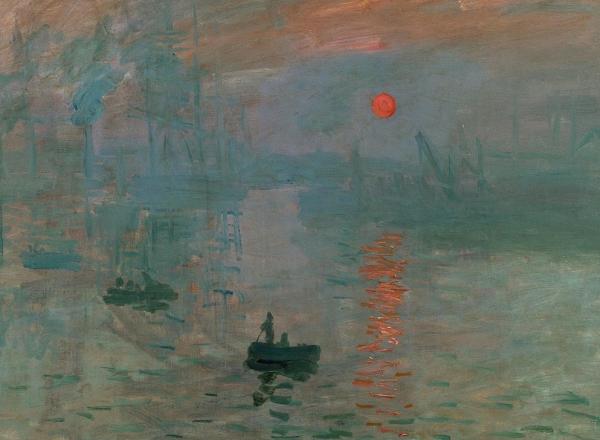
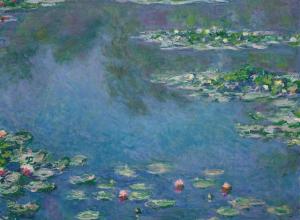
Considered one of the first major art movements of the modern era, Impressionism was a radical revolt against the contemporary standards of academic painting.

Amid the horrific loss of life and suffering resulting from geopolitical conflicts across the globe, dozens of organizations and individuals are quietly saving the art and artifacts that continue to stand as symbols of national pride for conflict-torn communities. Public attention has (rightfully) been on the human impact of wars in Ukraine and Gaza, as well as gang violence in countries like Haiti and Ecuador.