At Large  March 18, 2026  Annah Otis

The Art and Science of Reattributing a Rembrandt

WikiCommons

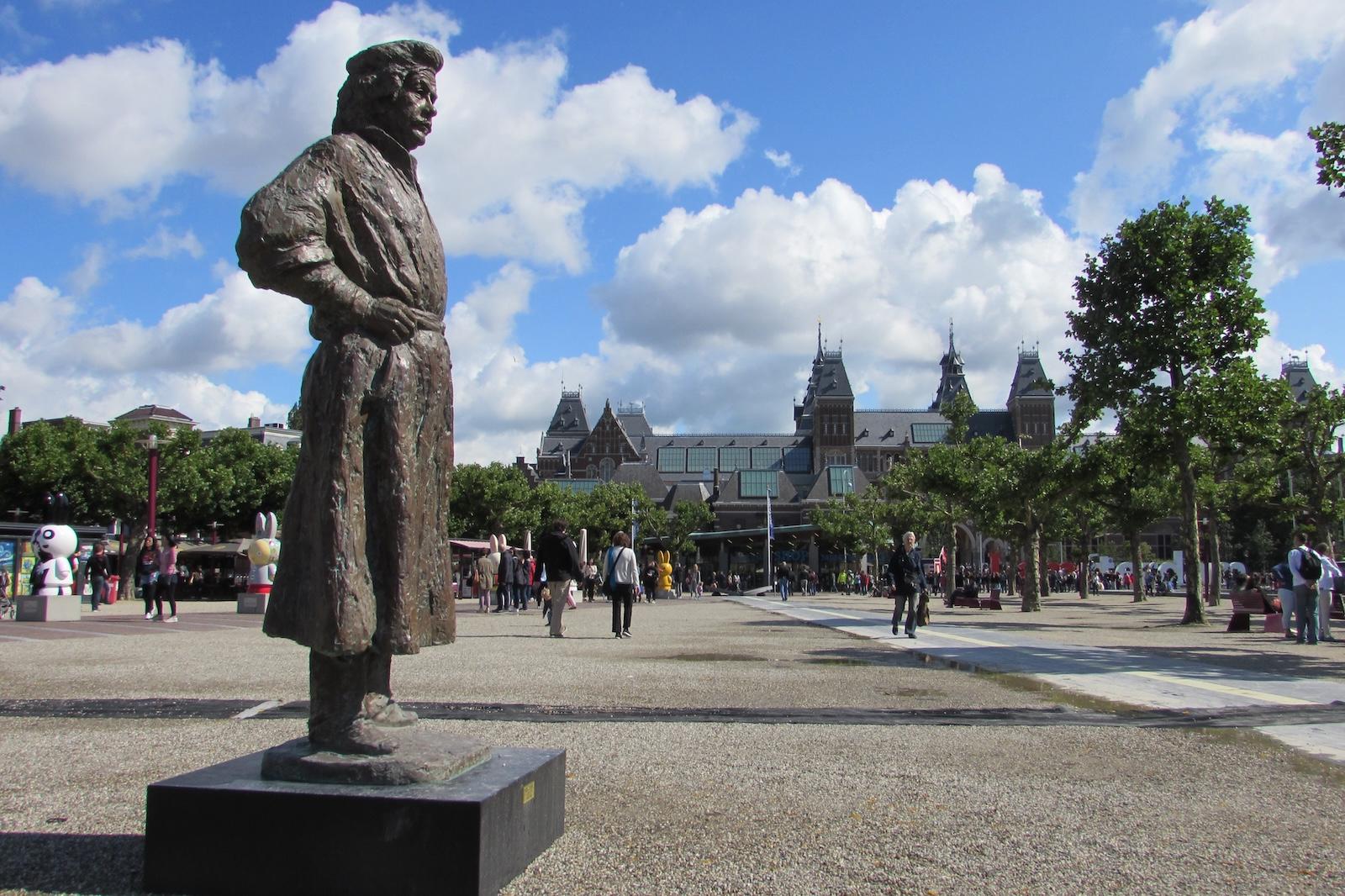
A statue of Rembrandt van Rijn near the Rijksmuseum in Amsterdam. License.

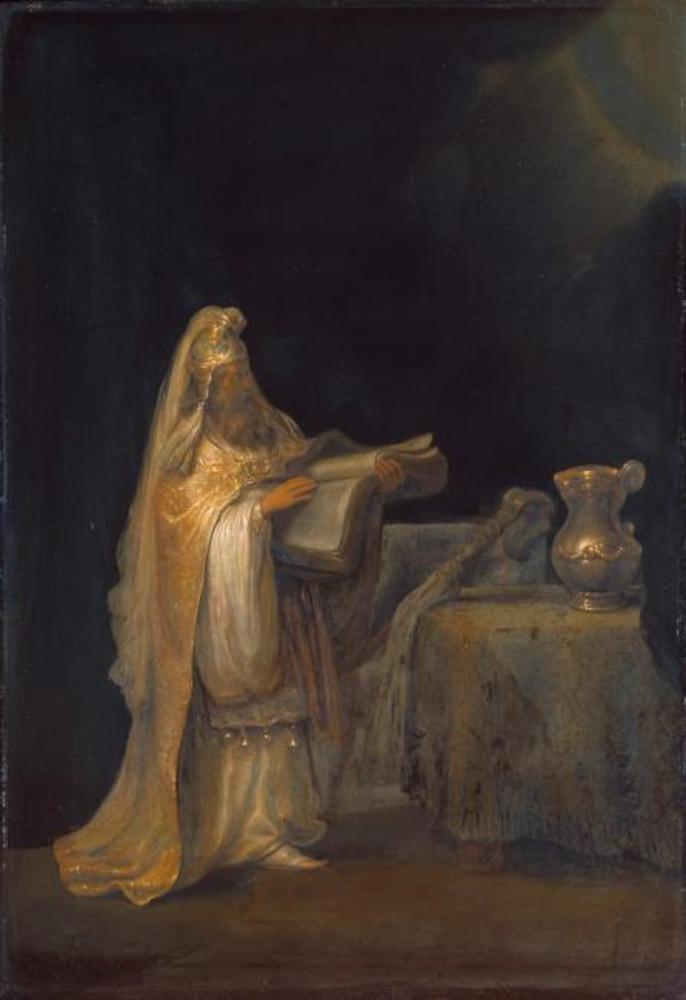
In early March, the Rijksmuseum announced that a small painting depicting the biblical figure of Zacharias had been conclusively reattributed to Rembrandt van Rijn after a two-year investigation, which included a thorough restoration. Vision of Zacharias in the Temple spent 60 years in private hands after it was purchased by the father of its current owners in 1961 from an Amsterdam art dealer. A year earlier, experts had concluded that it was likely the product of a lesser-known associate in Rembrandt’s workshop, such as Jan Lievens or Salomon Koninck.

When the owners initially reached out to the Rijksmuseum in 2024, they merely wanted to know whether the painting was Dutch. The answer turned out to be more surprising than a simple yes or no. During the investigation that followed, researchers used macro X-ray fluorescence scanning, a non-destructive technique that maps the elemental composition of pigments across a painting’s surface. X-rays penetrate beyond the topmost layer to reveal layers of paint and revision beneath, creating a sort of stratigraphic record of how the work was made. The pigments and layers of brushstrokes identified in Vision of Zacharias in the Temple corresponded to materials Rembrandt used in authenticated works.

WikiCommons

Rembrandt van Rijn, Vision of Zacharias in the Temple, oil on panel, 1633. License.

The panel on which the scene was painted offered another line of evidence. Through dendrochronology, researchers determined that the panel came from a tree felled between 1625 and 1640, which aligns with the painting’s 1633 inscription. At about 23 by 19 inches, the dimensions also align with other known Rembrandt works from this period.

Rembrandt was a newcomer to Amsterdam when he painted Vision of Zacharias in the Temple at 27 years old. He had recently moved north from his birthplace of Leiden and was primarily producing portraits, which were more lucrative than history scenes, making the reattributed painting a relatively rare document of his ambitions. The piece depicts a biblical account of the archangel Gabriel visiting the high priest Zacharias and his wife to tell them that they would have a son, John the Baptist, despite their advanced age. Rembrandt’s decision to render Gabriel invisible and focus on Zacharias’ expression of wonder departed from visual conventions of the time. Most artists chose to explicitly paint the angel’s presence rather than imply it.

Definitive attribution of Old Master paintings, meanwhile, is becoming more contested as new tools enter the field. An AI firm called Art Recognition recently claimed with up to 91% certainty that two paintings attributed to Jan van Eyck were misattributed. The claim was fiercely disputed by van Eyck specialist Maximiliaan Martens who raised concerns that the AI model was not properly trained and lacked art historical oversight. In 2021, Art Recognition claimed that the National Gallery in London had a fake Peter Paul Rubens, countering the general consensus among experts that it’s an authentic painting.
WikiCommons

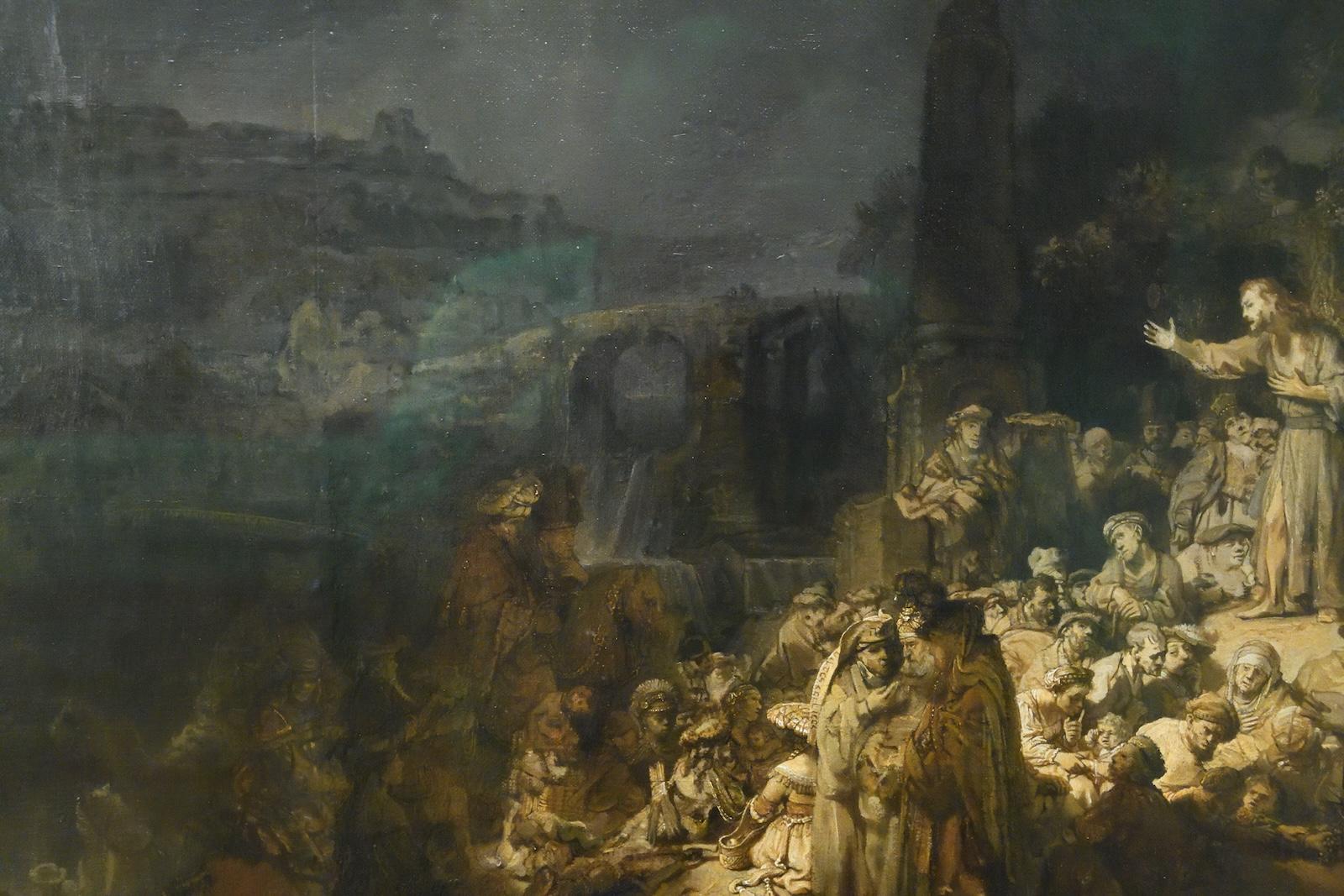
Rembrandt van Rijn, St. John the Baptist Preaching, oil on canvas, 1635. License.

Vision of Zacharias in the Temple seems to be much more secure in its attribution. The painted panel now joins approximately 350 known works in the Rembrandt canon. Of those, 25 are shown at the Rijksmuseum, including the newly attributed painting that the owners have given on long-term loan. It’s one more proof point of Rembrant’s genius.

About the Author

Subscribe to our free e-letter!

Webform
Art and Object Marketplace - A Curated Art Marketplace