Gallery  April 13, 2026  Jane Horowitz

The Academy Museum Reclaims the Real Marilyn Monroe

Photo by Sam Shaw © 2025 Sam Shaw Inc

Marilyn Monroe

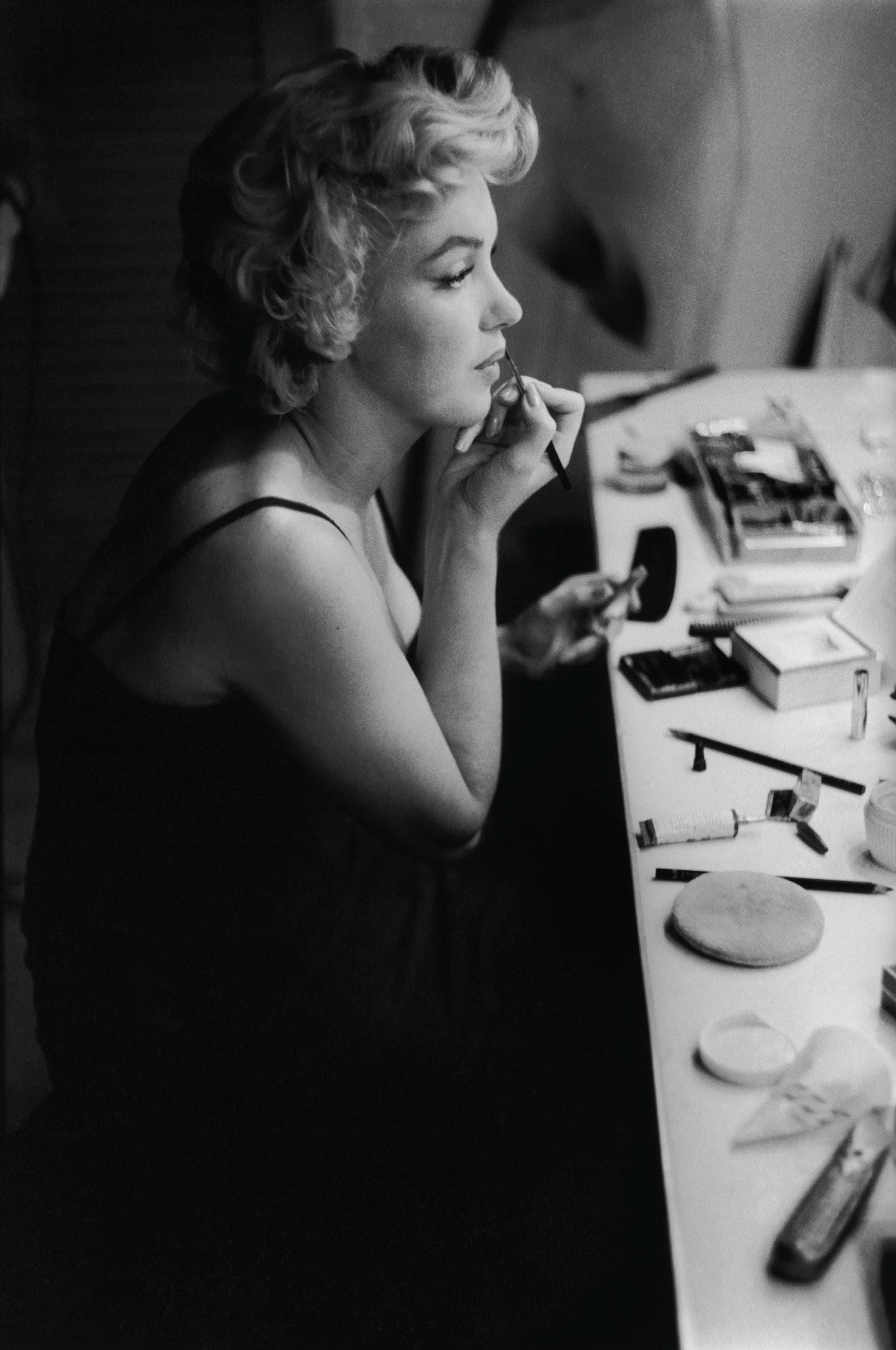
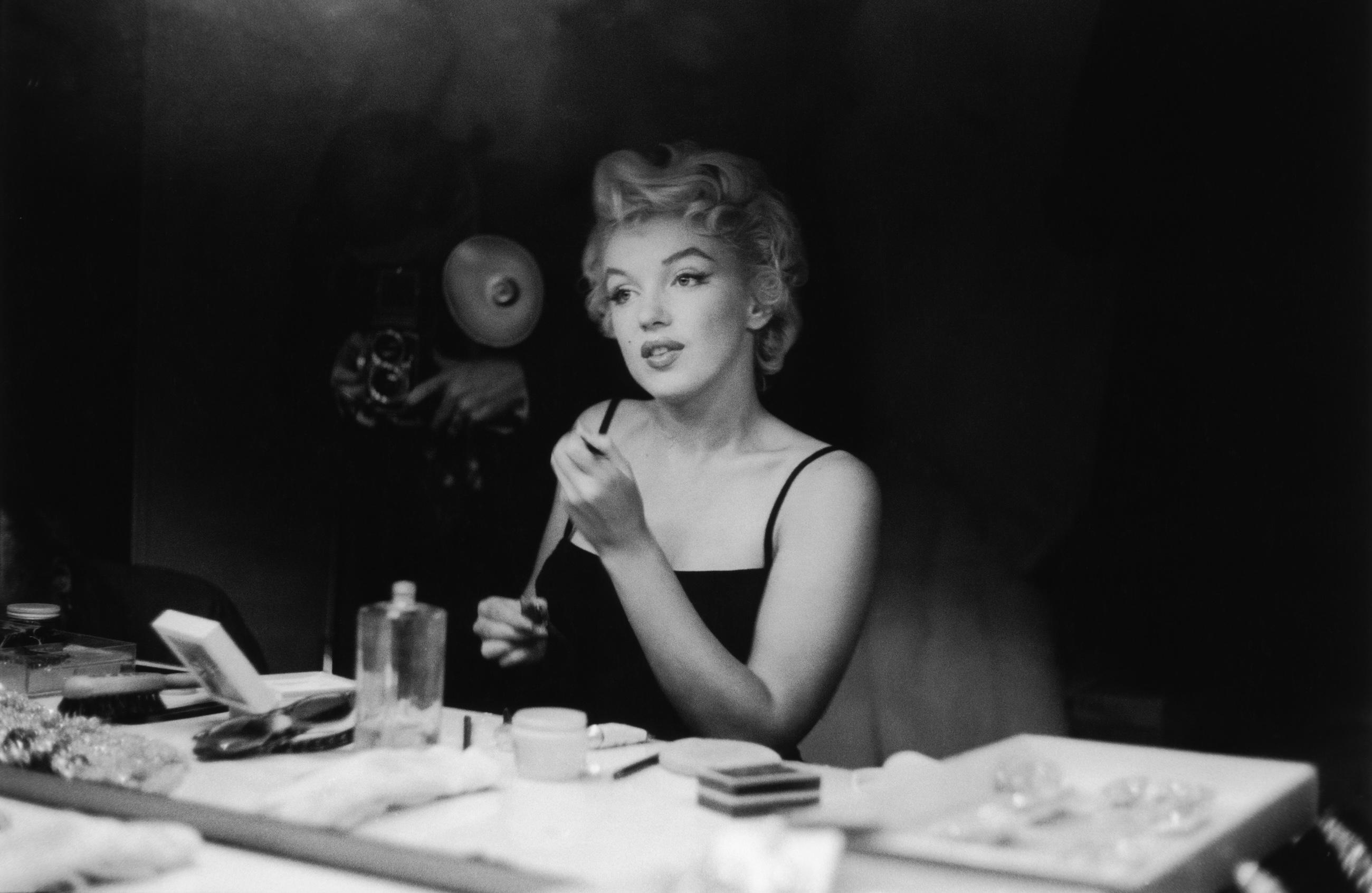
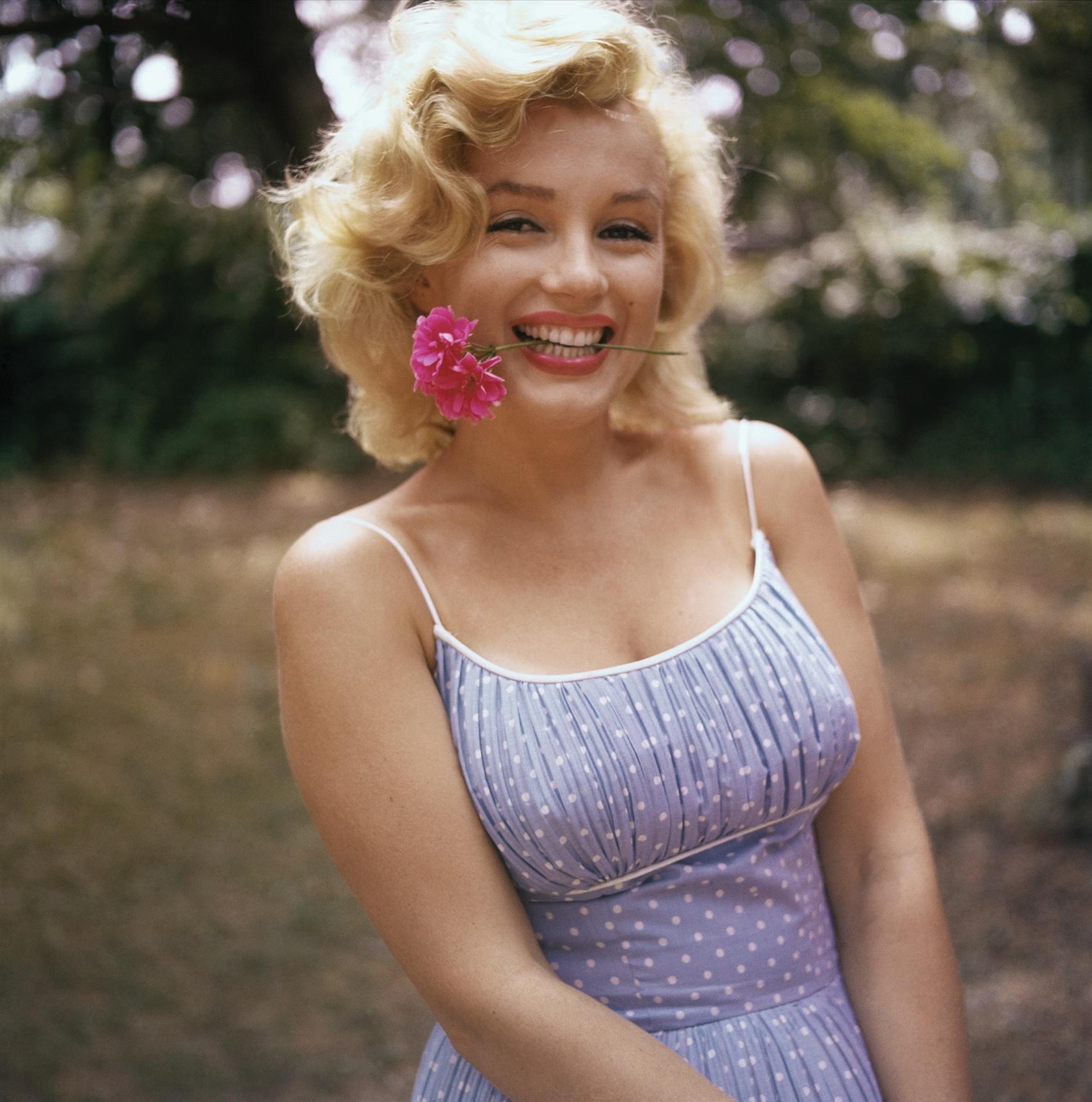
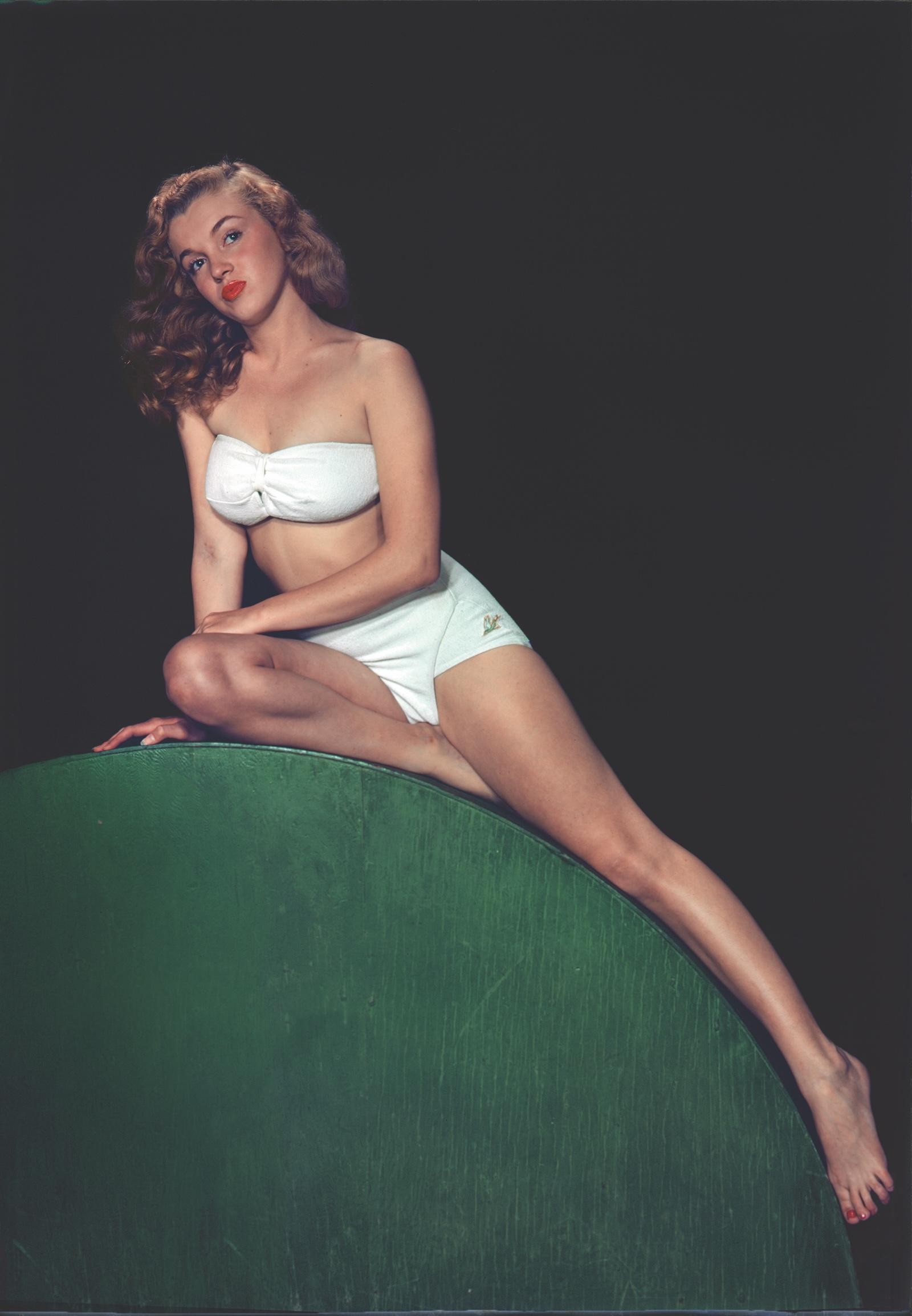
Marilyn Monroe has never really faded away. One hundred years after her birth, and more than six decades after her death, she continues to hold a place in pop culture. Billie Eilish channeled her at the 2021 Met Gala. The novel and film Blonde reopened familiar debates over the model's life. Now, the question that trails all of this remains: was Monroe a victim of the star-making machine, or an active architect of her own image?

Photo by Sam Shaw © 2025 Sam Shaw Inc

Marilyn Monroe

The Academy Museum of Motion Pictures comes down firmly on the side of agency. Opening May 31 to coincide with the centennial of her birth, Marilyn Monroe: Hollywood Icon explores how the star’s public image was created during the heyday of the Hollywood studio system. Associate Curator Sophia Serrano says the show is designed to reach visitors who know Monroe’s face better than her films. They may recognize the look but not understand the story.

The exhibition opens with costumes—what Serrano calls the “hook”—before moving through items reflecting the publicity machinery that swirled around her, a film montage, and archival material including footage from Monroe’s unfinished final film, Something’s Got to Give (1962). Evidence of Monroe’s image-making precision turns up in the contact sheets from her photography sessions, where she went through the images and crossed out any she didn’t want used. “You start to realize this is not just some kind of phenomenon,” Serrano says. “It was a very carefully planned, orchestrated image.”
WikiCommons

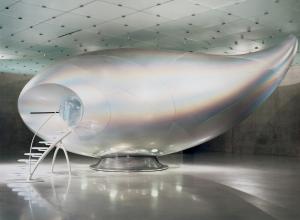
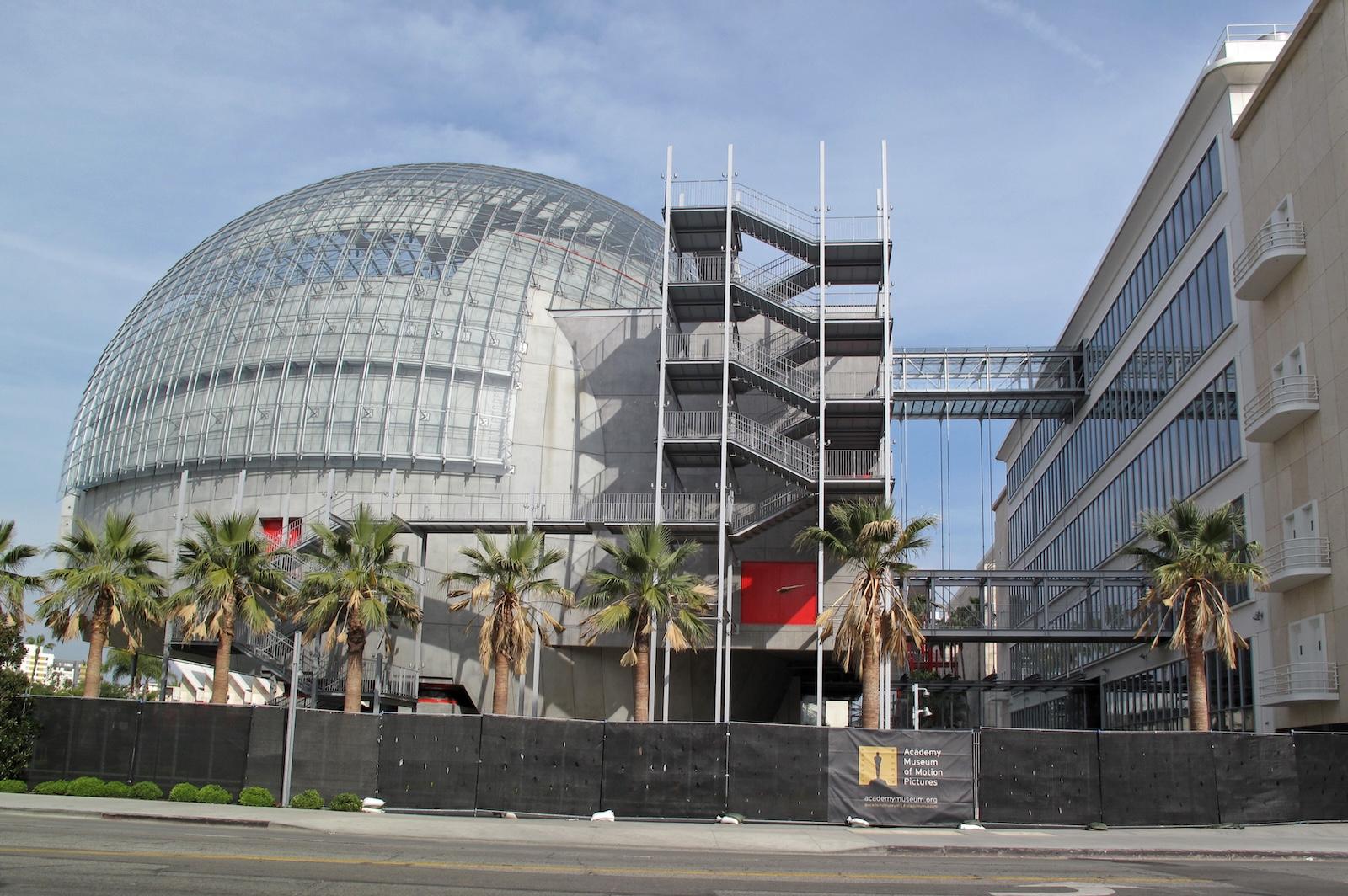
The Sphere, part of the Academy Museum of Motion Pictures, 2021. Designed by Renzo Piano. License.

No object makes that argument more vividly than the pink strapless gown William Travilla designed for Gentlemen Prefer Blondes (1953), worn by Monroe and since replicated by everyone, from Madonna to Blake Lively. What the exhibition reveals is that this dress was a last-minute addition. Travilla’s original design—shorts, fan and black fishnet—was scrapped after nude photographs that Monroe had posed for years earlier resurfaced and were published by Playboy without her permission. Thus, Twentieth Century Fox ordered a new (less revealing) garment. 

Photo Bernard of Hollywood © 2025 Renaissance Road Inc

Marilyn Monroe

Monroe found another way to own the moment while seductively belting out “Diamonds Are a Girl’s Best Friend.” The original shorts are on display alongside the pink gown. “From that pivot comes one of the most iconic costumes in film history,” Serrano says.

The archival documents are equally revealing. A letter from gossip columnist Hedda Hopper—reliably ruthless about Monroe for years—captures a rare moment of warmth after the two crossed paths at a party. Monroe had asked her directly: why are you so mean to me? Hopper replied that she felt she was snubbed. 

Serrano says these documents serve as a window into how treacherous Monroe’s world was to navigate. Correspondence between Monroe’s third husband Arthur Miller and Some Like It Hot director Billy Wilder, who had spoken publicly about the film’s difficult production, shows Miller defending his then-wife. The playwright’s response was unsparing—Monroe was sick, Wilder should consider himself lucky she was in his film at all. Wilder’s reply closed with an apology that echoed the film’s most famous line: “As they say, nobody’s perfect.”

Photo by Sam Shaw © 2025 Sam Shaw Inc

Marilyn Monroe

Serrano’s own perception of Monroe shifted through the research. Watching early films like Niagara and reading letters and journal entries revealed an actress with serious dramatic ambitions. Monroe studied with Lee Strasberg at the Actors Studio and was angling to work on stage. Many of the exhibition’s objects were acquired by private collectors at a 1999 Christie’s auction, when the Strasberg estate dispersed what it had inherited. “You start to realize how much she thought about having a real dramatic reputation as an actor,” Serrano says. “That was frankly something I didn’t know.”

The exhibition closes on its most intimate note: a vignette recreating Monroe’s Brentwood home, with her actual furniture—glass tumblers, a cabinet, a Mexican wool tapestry, and teak wood chair, some of which she found on a trip to Mexico, her mother’s birthplace. Visitors will hear audio from her final Life magazine interview, in which she spoke about fame, privacy, and the public she credited for her success. Inviting the magazine into her home as her career hit turbulence was a calculated move—an early version, Serrano suggests, of the celebrity overshare. “She was the original influencer,” she says.

There is no Marilyn hologram to take selfies with. No AI recreation. To reimagine Monroe digitally, Serrano argues, would betray the exhibition’s central premise. Marilyn Monroe: Hollywood Icon insists on letting Monroe have the final word on how she’s presented to the world. 

34.063689910737, -118.3612365

Marilyn Monroe: Hollywood Icon
Start Date:
May 31, 2026
End Date:
February 28, 2027
Venue:
Academy Museum of Motion Pictures
About the Author

Jane Horowitz

Jane Horowitz is a Los Angeles-based arts journalist whose writing has appeared in the Los Angeles Times, FAD magazine, and Art NowLA, among others. Her reporting spans the contemporary art world, with interviews featuring artists such as Amy Sherald and Elmgreen & Dragset.

Subscribe to our free e-letter!

Webform
Art and Object Marketplace - A Curated Art Marketplace
Loading categories...