At Large

Pablo Picasso, arguably the most recognized name in 20th-century art, is also one of the most frenetically prolific, and well-documented.
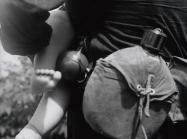
As the British-Australian photographer Tim Page confirmed during an interview in 2019: “Vietnam was the first and last war with no censorship.”For some photographers, the search for gory and violent…

All creative families are creative in their own way (to paraphrase the over-paraphrased opening line of Tolstoy’s Anna Karenina). Take the Rymans, for instance. There is Robert Ryman (1930 – 2019),…

In Kehinde Wiley's first renowned works, he replaced white royalty, nobility, and saints with young Black men. "Rumors of War" is, among other things, a continuation of his determination to address…

Headquartered in Dorset, England, Cape Farewell has been devoted to shifting perceptions about climate change since 2001, with founder and international director David Buckland at the helm. As…

The end of WWI left the world in a tense political situation that soon generated new ambitions and rivalries. In Europe, the feelings of humiliation, together with political and economic instability…

Though Aboriginal art is only one of many Indigenous Australian art traditions, it is also one of the most recognizable art forms across the globe. Known for its bold patterns, vibrant colors,…

The Casa della Regina Carolina Project, focused on an imperial Roman home in Pompeii, seeks to rework many aspects of how we view Roman life, but the team’s current goals are to examine how people of…
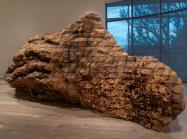
Ursula von Rydingsvard’s monumental works found an ideal temporary home in the galleries at Denver Botanic Gardens.
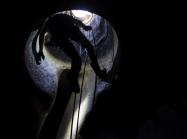
We all need water. No matter where, no matter when, human life cannot survive without it. This has been made acutely and painfully apparent across large swaths of the globe this summer as human-…

Many countries decided to impose very strict regulations on the press in order to limit, or completely prevent, the circulation of negative accounts. Lord Kitchener, the British Secretary of War,…
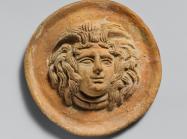
Medusa, like many other classic Greek myths, has become a cultural icon. She was one of the three Gorgons, meaning creatures who resembled human females save for their heads, from which snakes…
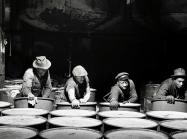
Gordon Parks’s Rare Photos of Pittsburgh’s WWII-era Industry
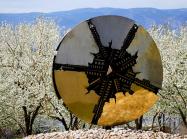
The Museum of Outdoor Arts (MOA) is partnering with Art & Object to present the Denver Art Showcase: Exciting Works from the Mile High city on exhibit and for sale online August 1 to 7. Half a…

Rachel Smythe’s insanely popular webcomic now turned graphic novel (and future Netflix animated series), Lore Olympus, is a recent iteration of this trend – one that combines both the art of…