
On August 29, 2005, Hurricane Katrina made its second landfall as a Category 4 hurricane, tearing through southeast Louisiana and Mississippi. Whereas New Orleans, situated below sea level, avoided the brunt of the storm winds, the levees containing waters from Lake Pontchartrain and Lake Borge were overwhelmed by the rainwater and storm surge. By the afternoon, 20 percent of the city was underwater; by August 31, that number had risen to 80 percent.
Art News
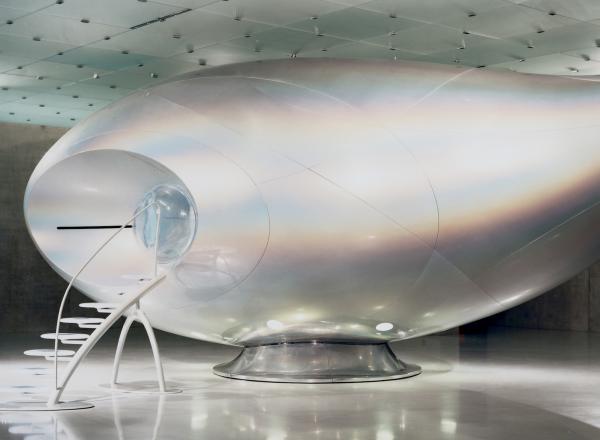
When Irish poet William Butler Yeats wrote the line, "Things fall apart; the center cannot hold," in his 1919 poem “The Second Coming” shortly after WWI, it reflected a sense of global chaos, societal breakdown, and the end of an era. For many, the present moment feels the same. History demonstrates that artists often forge a path out of the present into a future that could not be imagined otherwise.
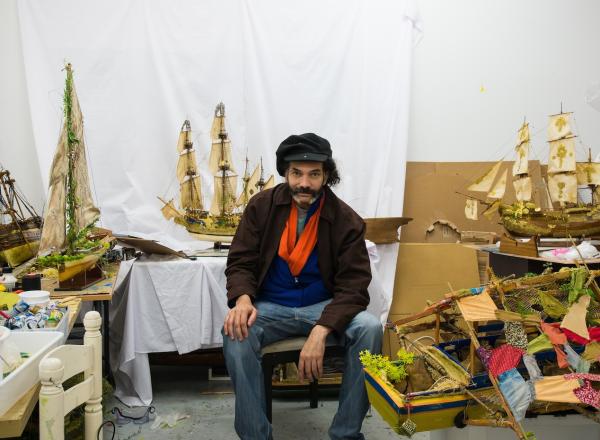
Internationally renowned, award-winning Guyanese-British sculptor and visual artist Hew Locke (b. 1959) has a solo exhibition opening at P·P·O·W in New York City. For over four decades, Locke’s richly detailed, beautifully riveting, densely imagined work has explored colonialism, identity, and history through powerfully evocative imagery.
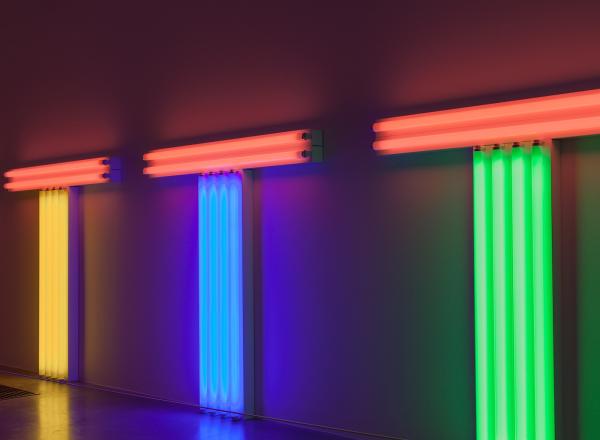
My first exposure to Dan Flavin’s classic fluorescent works was in 1969 at the Whitney Museum of American Art. As a young student, I was mesmerized by the exuberant colors and equally puzzled by the use of commercial lighting. Art or hardware?
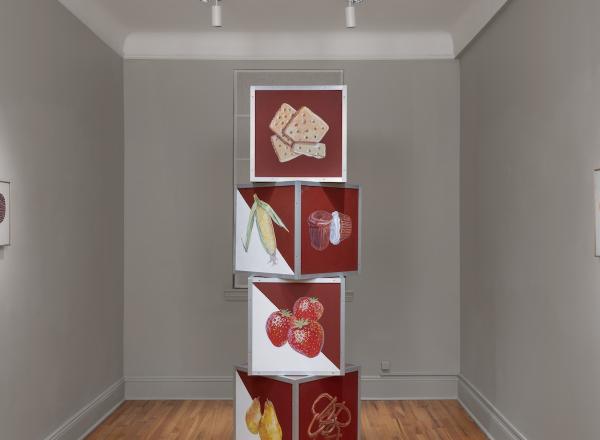
Don Nice (1932–2019) was a relatively unknown, idiosyncratic artist whose roots spread across the American art landscape from 1960s Pop art back to mid-20th-century American modernism.
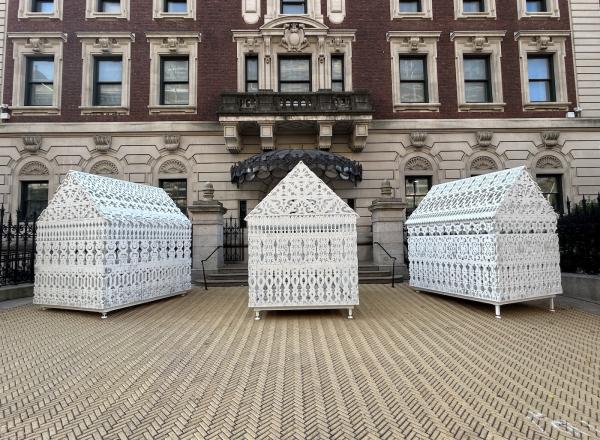
La Vaughn Belle’s compelling installation, The House that Freedoms Built, debuts at the Rollins Museum of Art in Winter Park, Florida on July 24th. The installation premiered publicly at Cooper Hewitt as part of the 2024 design triennial.
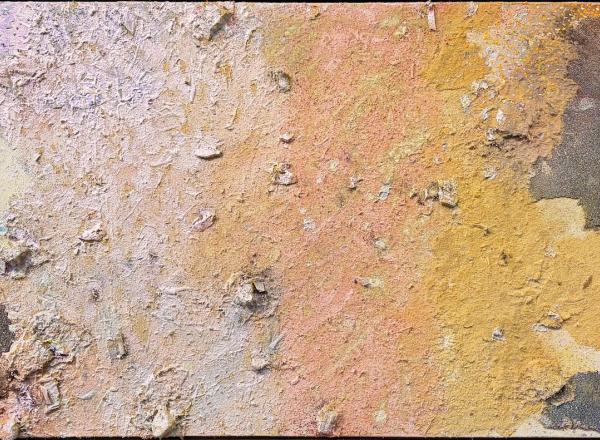
A rare opportunity for collectors and admirers of postwar American abstraction, Stanley Boxer: A Centennial Exhibition brings together a collection of seminal works spanning four decades of the artist's career on the occasion of his 100th birth anniversary.
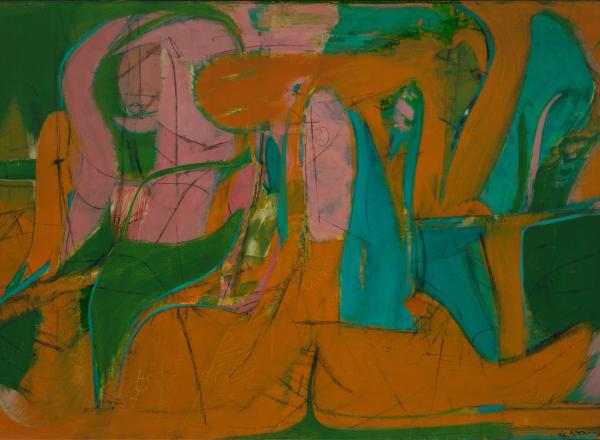
Willem de Kooning is a name recognized worldwide for his impact on the development and growth of Abstract Expressionism in America. However, back in his early days, he was one of a small group of struggling New York painters attempting to create work expressing new ideas in a world recovering from the calamity that was WWII.
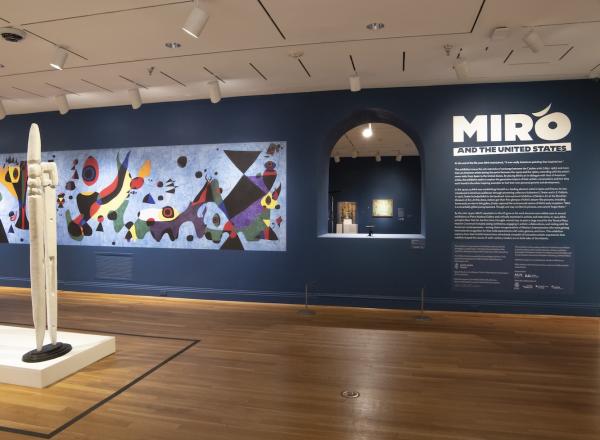
Joan Miró, the Catalan painter, had a successful retrospective at MoMA in 1941 and an exhibit with his dealer, Pierre Matisse (Matisse’s son), in 1945. Miró first visited the United States in 1947—one of seven visits to the States—and was included in the New American Paintings at MoMA in 1991.
There is a mystical aura that surrounds Celia Paul’s paintings, as if they lived in another atmosphere. The air around and within them emanates a different frequency: vibrations almost not human. Her figures are not corporal; they’re more like music, phrases in the air. Even the colors are not flesh, as if in a dream. Each painting, whether figure or object, seascape or self-portrait, is distinctly hers.