The tagline is: what if—what if Indians invented photography? Would there be a different set of protocols or ideas or notions of exchange in relation to this kind of image-making process?
– Will Wilson
Art News
Mark your calendar for spectacular exhibitions perfect for summer holidays, chosen by Tim Marlow, artistic director the London’s Royal Academy of Arts. This month, discover California’s outsize influence on the pioneering America artist Robert Rauschenberg, see the third edition of New Mexico’s famed SITElines biennial, and behold the glittering works of legendary Iranian artist Monrir Shahroudy.
Beth Harris and Lauren Haynes, Curator, Contemporary Art, Crystal Bridges Museum of American Art, discuss Titus Kaphar's The Cost of Removal (2017, oil, canvas, and rusted nails on canvas, © Titus Kaphar, Crystal Bridges Museum of American Art).
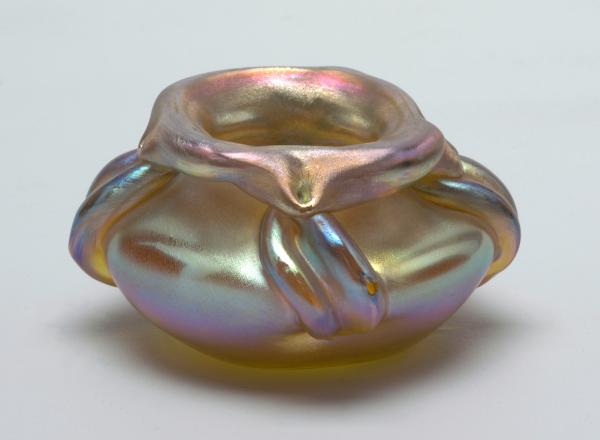
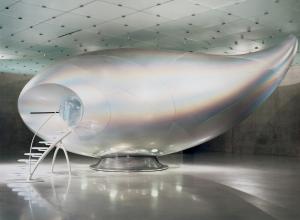
The Cooper Hewitt, Smithsonian Design Museum is celebrating all that glitters in their latest exhibition of works from the permanent collection, Iridescence. A stunning visual effect found in nature, for centuries artists and craftsman have strived to replicate the vibrancy of this elusive quality. Through the exhibition, the Cooper Hewitt traces the history and impact of the optical effect that changes before your eyes.
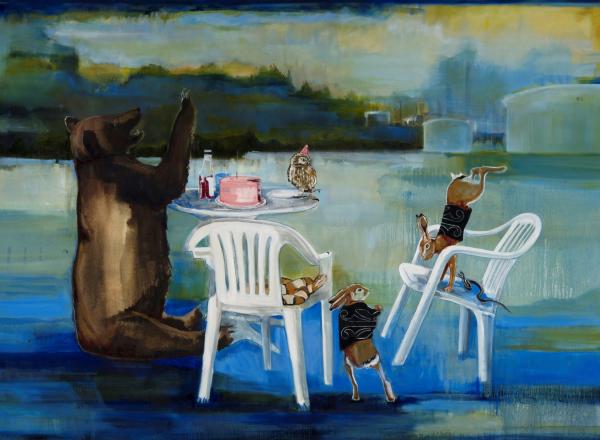
As part of their ongoing contemporary art series, this month the Denver Art Museum (DAM) debuts Eyes On: Julie Buffalohead, showcasing the work of the Minnesota-based artist and citizen of the Ponca Tribe of Oklahoma. Curator of Native Arts John Lukavic calls Buffalohead’s new body of work “exceptional,” saying the work connects people with “tribally specific narratives that are culture-bound, emotional, and sometimes evocative.”
"Can nature's fragility be perceived?" Ranjani Shettar on her installation "Seven ponds and a few raindrops"
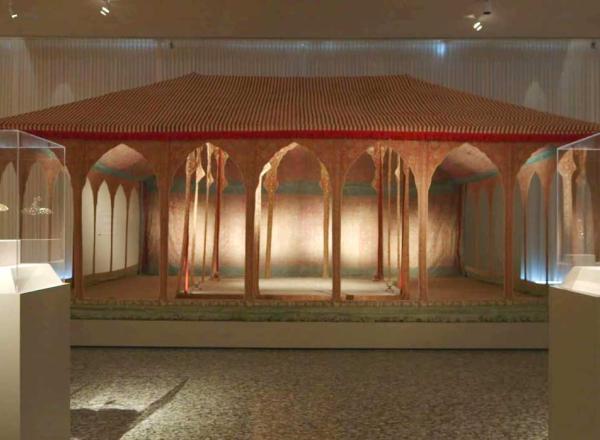
One of the most spectacular objects in Peacock in the Desert: The Royal Arts of Jodhpur, India is the Lal Dera, or Red Tent. On view at the Museum of Fine Arts, Houston, through August 19, 2018.
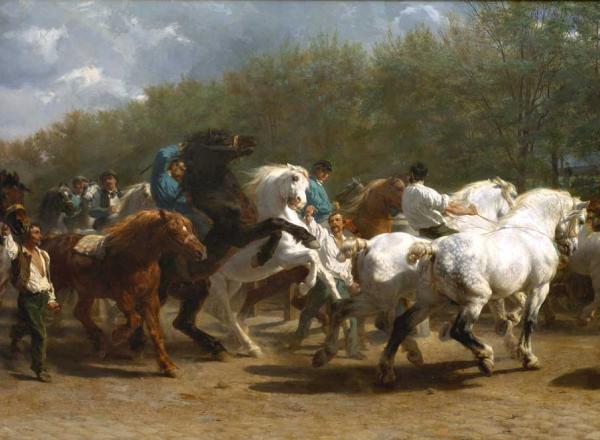
Conservator Hayley Tomlinson takes us behind the scenes in Conservation to discuss the cleaning of Rosa Bonheur’s The Horse Fair.
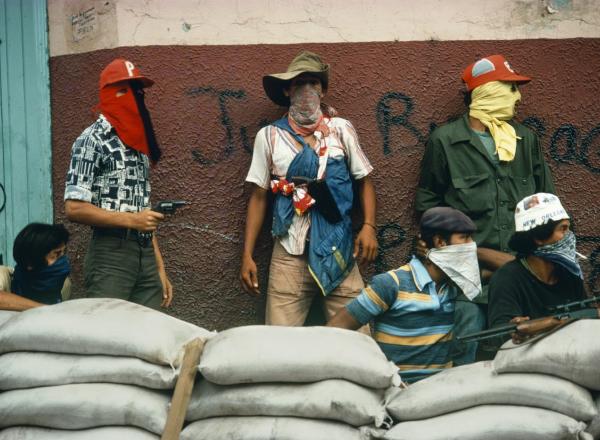
This month the San Francisco Museum of Modern Art (SFMOMA) presents the first west coast retrospective of award-winning documentary photographer Susan Meiselas. Mediations, which was first exhibited in Barcelona and Paris, is accompanied by a book of the same title. Known for her work in conflict zones and in documenting human rights abuses, Meiselas has been a member of Magnum Photos, an international cooperative of photographers, since the 1970s.
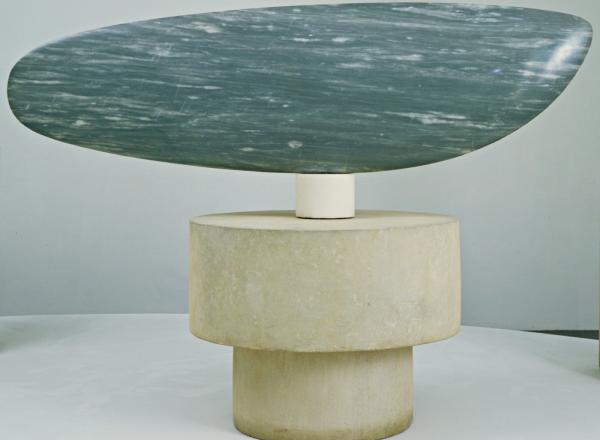
In a new exhibition, the Museum of Modern Art (MoMA) showcases their collected works of Constantin Brancusi, one of the most influential sculptors of the 20th Century. The exhibition includes eleven sculptures, shown together for the first time, as well as drawings, photographs, and films, some of which Brancusi made in his studio with his friend Man Ray. Rare archival material illuminates the artist’s process and many of Brancusi’s relationships with friends, patrons, models, and museums.