While museums are vulnerable places in the face of global warming, they are also hubs of resilience and inspiration. It is important to openly discuss and find ways to address our vulnerabilities. It is equally important to address our roles as supporters of the community.
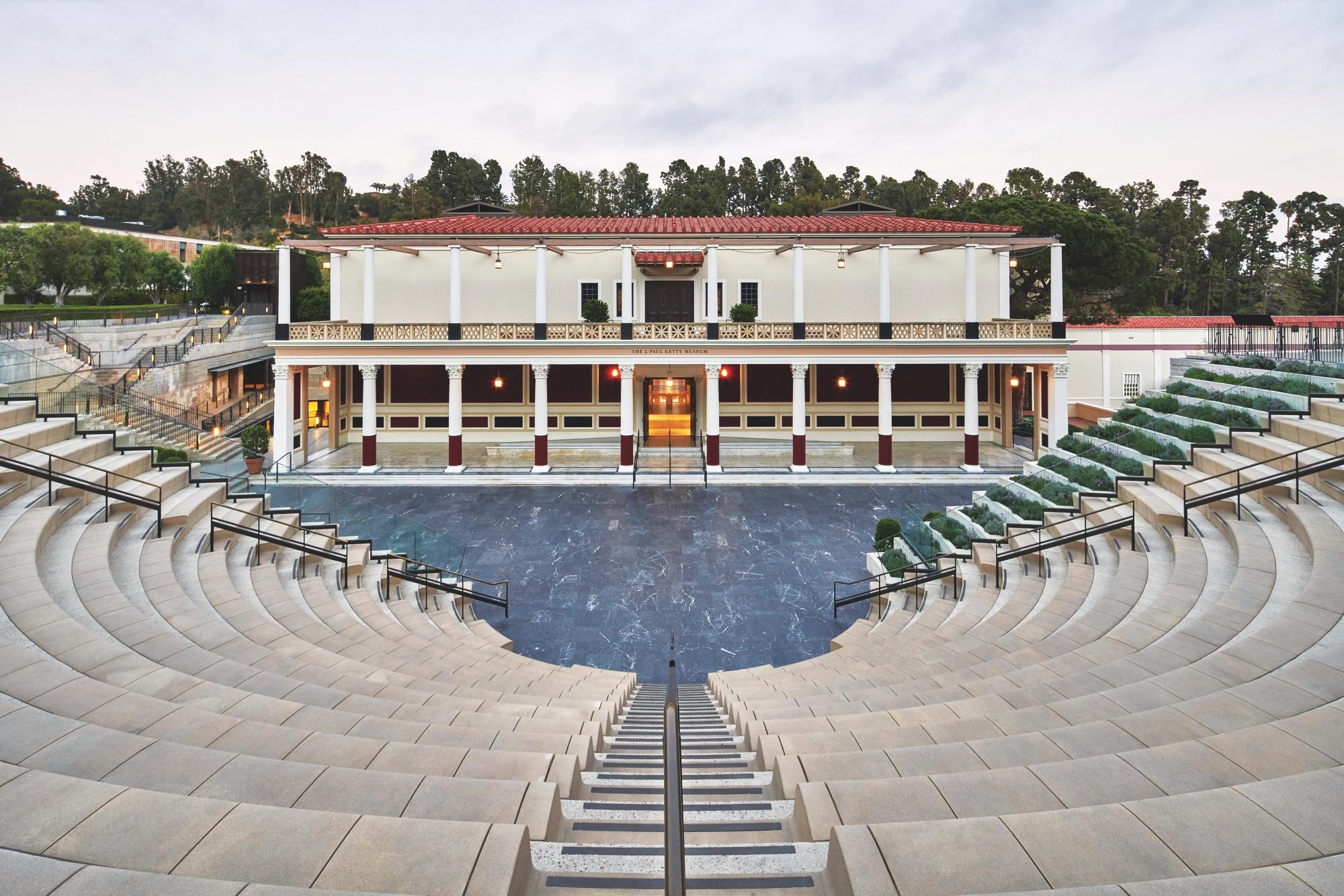
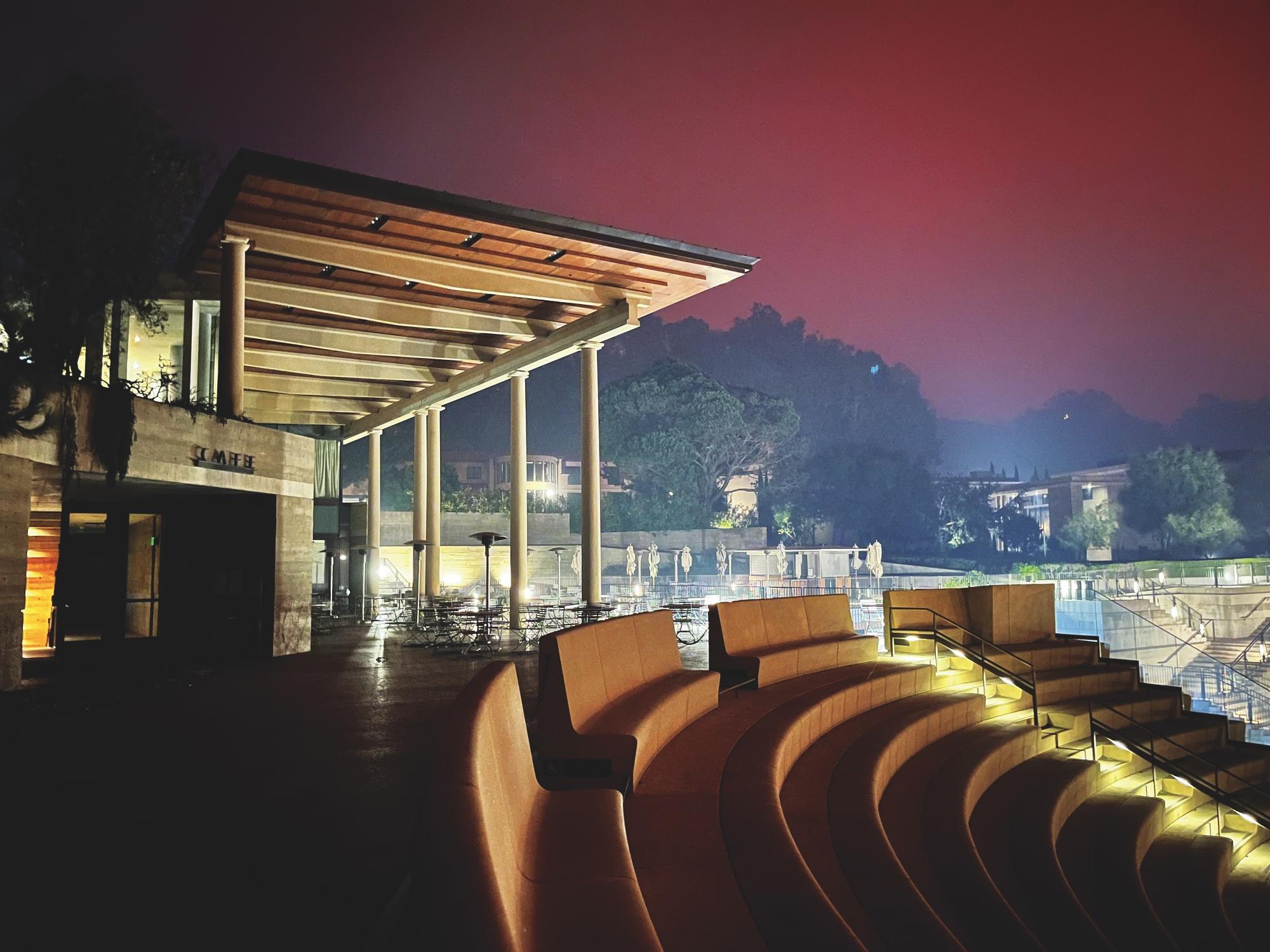
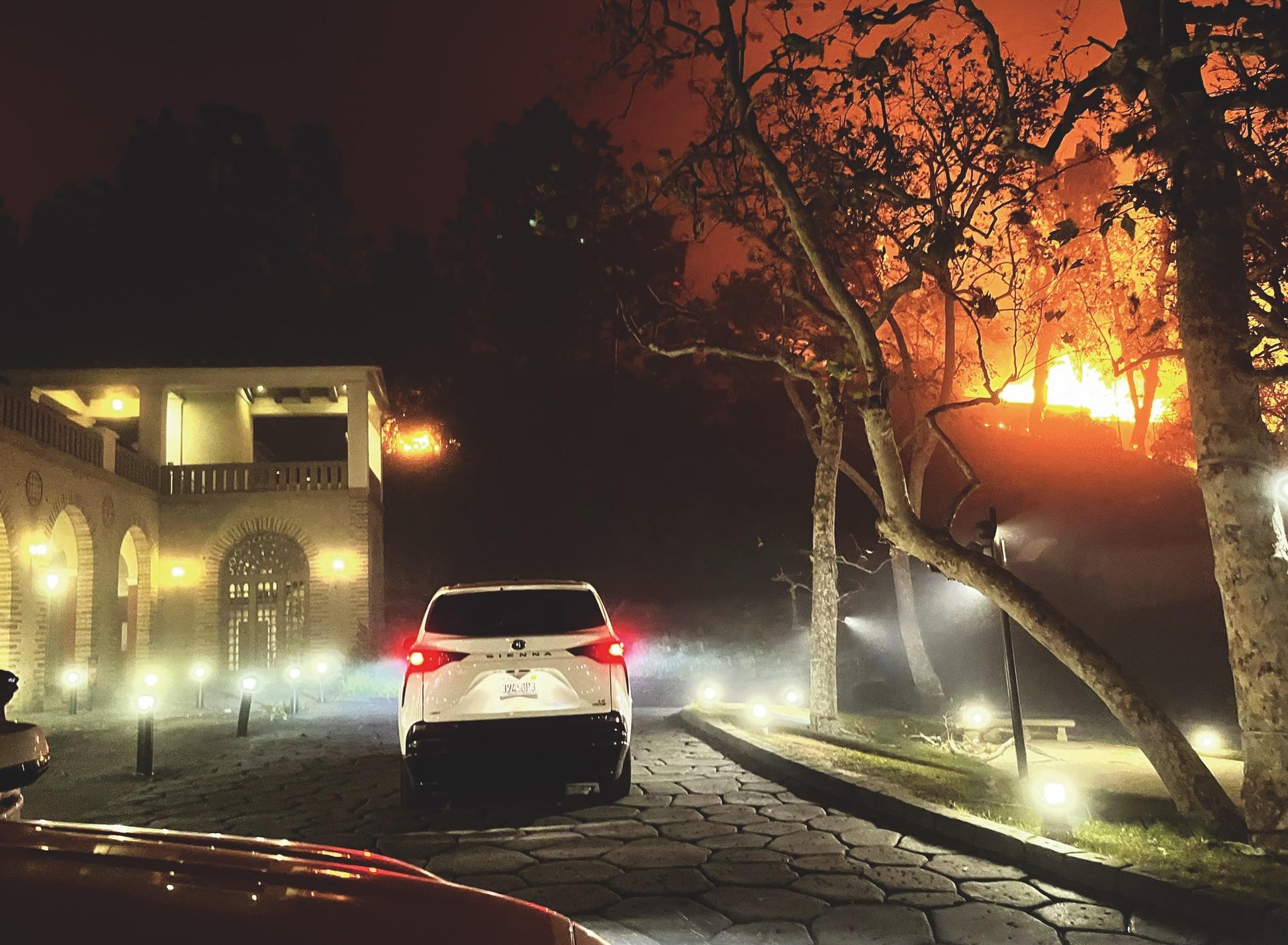
For Getty, we understand clearly our vulnerability to many types of disasters—wildfire, landslides, earthquakes, and more. At the Villa, we are not obscuring the impact of the fire: We have left high-cut tree stumps and salvaged burned trees as a visual record of what happened. We are developing interpretive materials for our visitors that document the fire, explain our preparation and response, and tell what to expect over the coming months and years as we help our landscape recover. We will be planting native oak trees and other species to support our local habitat and increase our resilience. Our irrigation and steam-based humidification infrastructure will also be replaced by more durable systems, and we will continue to perform targeted brush clearance.
We also understand our ability to be a source of inspiration and connection, which we activated in response to the Palisades and Eaton Fires, which devastated so many in the Los Angeles area arts community. In partnership, we rapidly and collaboratively developed the LA Arts Community Fire Relief Fund [CCIarts.org/relief.html] to get much-needed assistance to artists and arts workers who suffered losses in the fires. We quickly organized a special half-day convening on resilient recovery to coincide with the Alliance of American Museums (AAM) conference in Los Angeles in early May. For that convening, we asked colleagues from institutions around the country to join us in sharing lessons learned from disasters and how we can build more resilience into our institutions and our communities.