Fair  March 11, 2026  Annah Otis

Frieze LA's Resilient Return

Photo: Casey Kelbaugh. Courtesy Frieze and CKA.

Frieze Los Angeles 2025. 

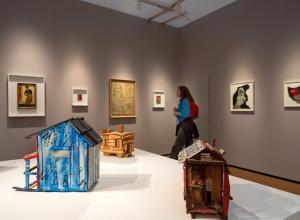
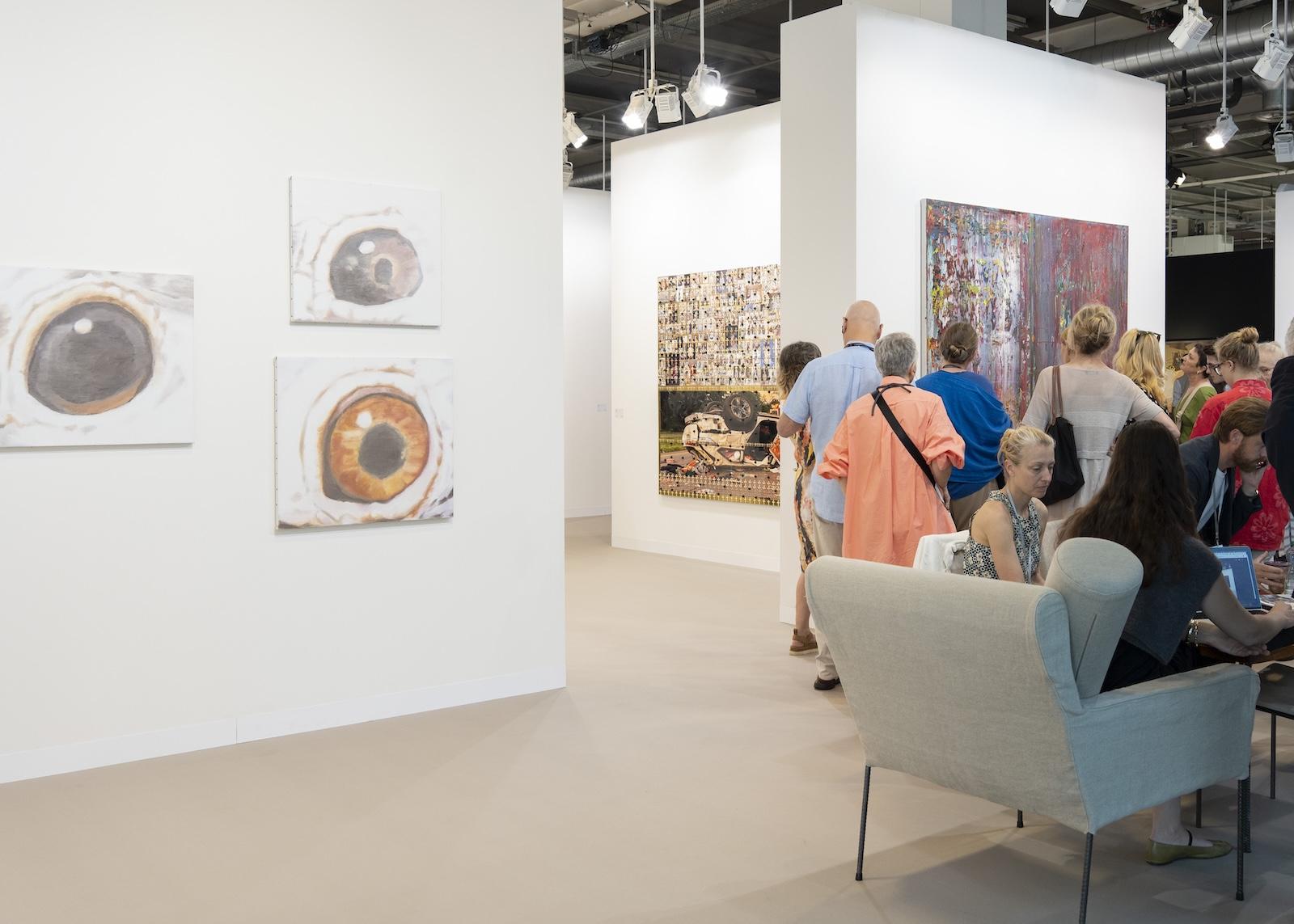
One year after the Palisades Fire tore through Los Angeles, Frieze closed its seventh annual fair in the City of Angels with genuine optimism. More than 32,000 visitors from over 45 countries flocked to the white tent setup at Santa Monica Airport to host approximately 100 galleries. Multiple seven-figure sales and particularly strong mid-market activity indicate that the LA art scene is as resilient as its communities. Hopefully, the rest of the country will follow.

Such strong outcomes are especially notable given that the global art market contracted in 2025 as geopolitical instability and renewed tariff pressures kept collectors cautious. Against that backdrop, Frieze LA functioned less as a trade fair and more as a temperature check with a reading that was warmer than many anticipated. Appearances by celebrities such as John Legend and Emma Watson only added to the fire.

WikiCommons

David Zwirner Gallery F8 at Art Basel 2025. License

David Zwirner sold a mixed-media work by Njideka Akunyili Crosby for $2.8 million to a European foundation at the highest reported price of the fair. A painting by Lynette Yiadom-Boakye moved for $1.5 million. Gagosian placed works by Ed Ruscha, Alex Israel, Jonas Wood, and Mary Weatherford in the six-to-seven figure range. White Cube sold three major sculptures from its solo presentation of Antony Gormley, while eight galleries sold out their presentations entirely. Pieces priced between $75,000 and $500,000 proved the most consistently active segment of the market.

Institutional acquisitions were also particularly strong. About 160 museum representatives were reported on the lookout for collection-worthy pieces. To name a few, the City of Santa Monica Art Bank purchased a work by Erica Mahinay, and the California African American Museum Acquisition Fund acquired works by Jessica Taylor Bellamy and Zenobia Lee.

Community-centric programs were a mainstay of the fair, perhaps in a more concerted effort to support West Coast creators recovering from the past year’s challenges. The Focus section reappeared as a platform for solo presentations from United States-based galleries operating for 12 years or fewer. 
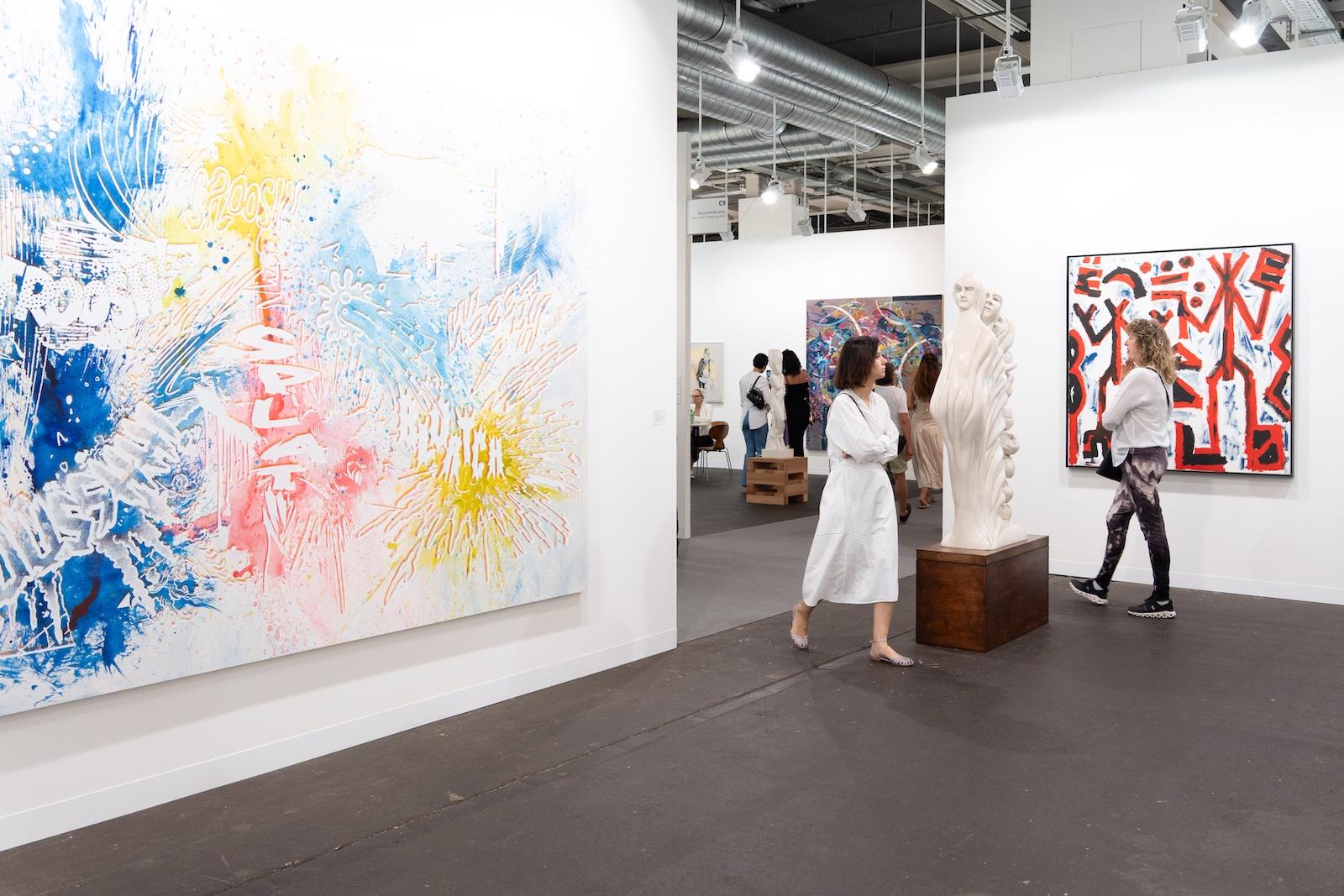
WikiCommons

White Cube Gallery C13 at Art Basel 2025. License

The Frieze Projects program brought site-specific installations by LA-based artists such as Amanda Ross-Ho's durational performance Untitled Orbit (MANUAL MODE). Each day during opening hours, Ross-Ho rolled a 16-foot inflatable Earth around the perimeter of the airport park soccer field. She described the four-day-long performance as drawing on the myths of Atlas and Sisyphus, while encouraging meditations on the rhythms of labor and time.

Never a city to shy away from civic action, the entrance to Frieze LA’s main exhibition space featured neon signs in glass cases with slogans like “Deport ICE” and “No Body Is Illegal” by Patrick Martinez. These same phrases were pasted on billboards across the city. Inside, the nonprofit Art Made Between Opposite Sides sold votive candles and ceramic milagros made by students in workshops along the US-Mexico border.

Rather than collapsing under the weight of catastrophe, Frieze LA proved that its hosting city is bouncing back stronger than ever. And, in uncertain times, this kind of comeback is what the art world needs.

About the Author

Subscribe to our free e-letter!

Webform
Art and Object Marketplace - A Curated Art Marketplace