At Large  December 3, 2025  Annah Otis

How Public Libraries Are Making Art More Accessible

WikiCommons

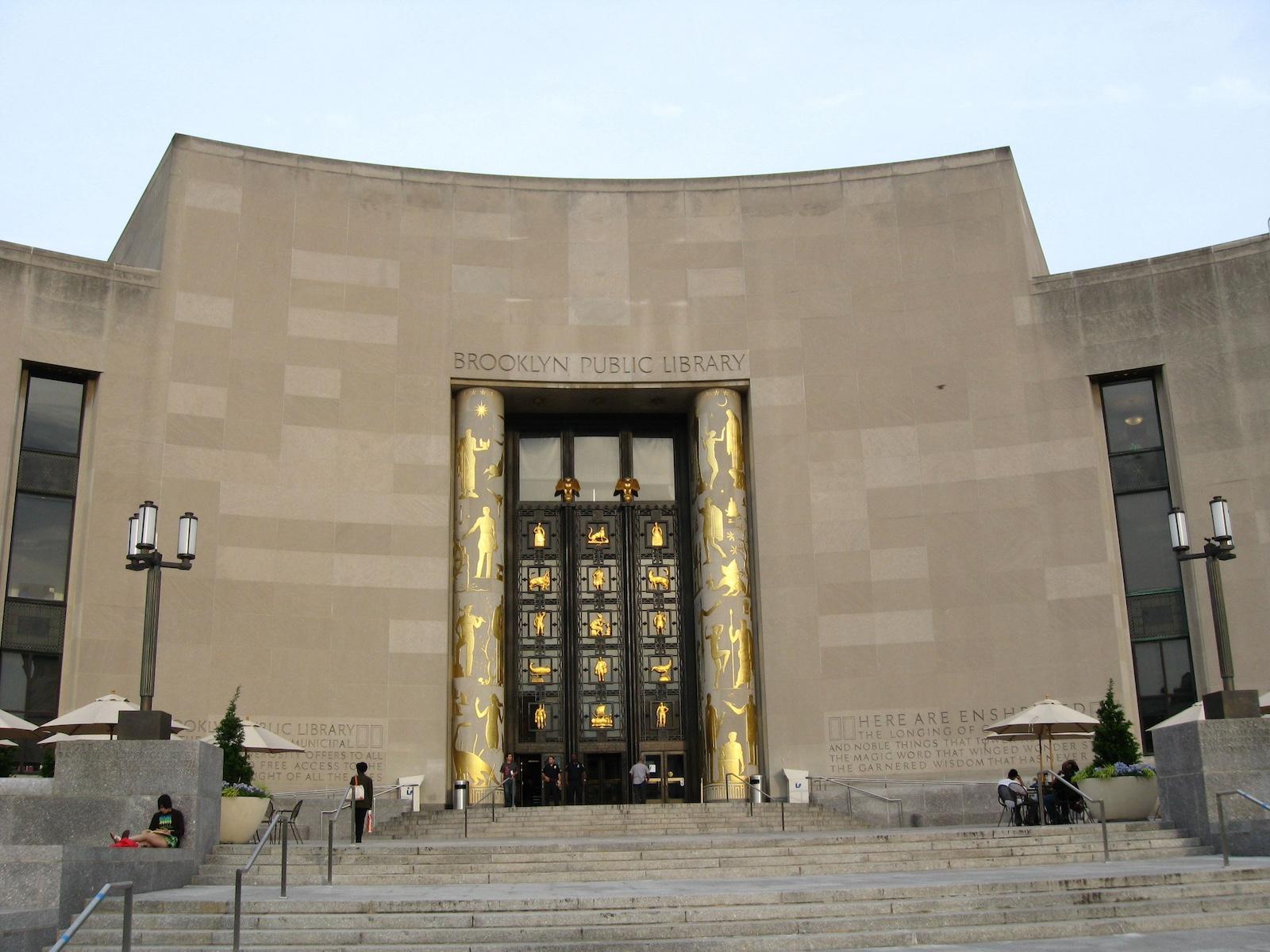
Front door of Brooklyn Public Library’s central branch, where Department of Transformation: Letters for the Future is currently on view. License.

Echoing a pilot program launched in 1950, the Brooklyn Public Library (BPL) will now allow cardholders to borrow select pieces of art for up to three weeks, as of November 3rd. This effort runs parallel to the library’s public musical instrument lending collection designed in collaboration with the Brooklyn Conservatory of Music, which launched in 2015. Both bring creative resources into the homes of those who might not otherwise have access to them, democratizing art in ways that remain rare across the United States.

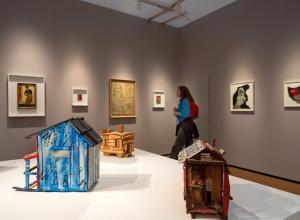
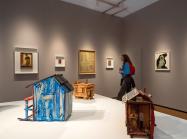
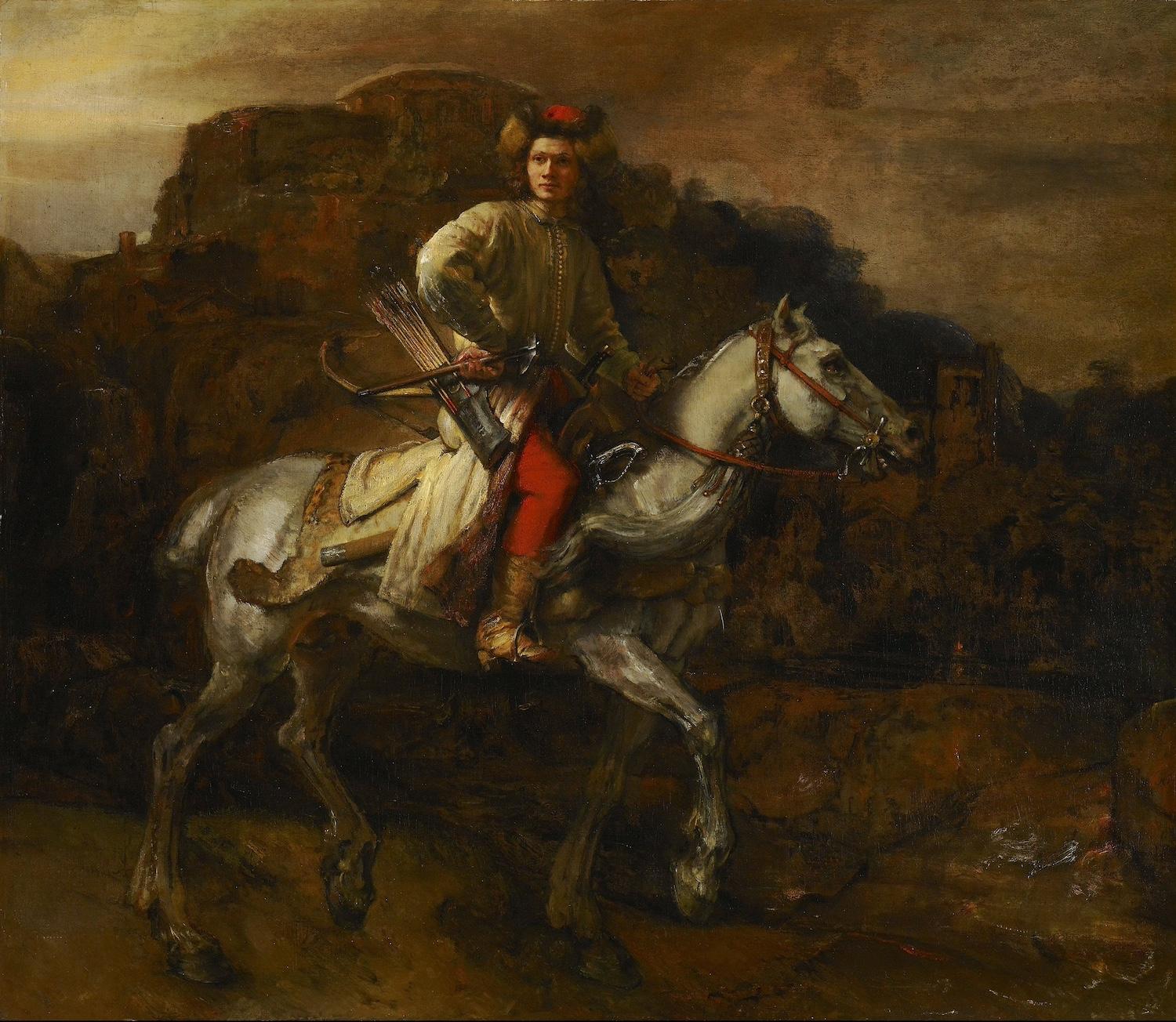
More than 40 artists are currently exhibiting everything from paintings and sculptures to books and zines in an exhibition, titled Department of Transformation: Letters for the Future, that has been installed in BPL’s central branch. Of those, 20 are available for cardholders to check out. The exhibition will run through January 2026, but positive feedback towards the program could lead to future lending opportunities. BPL first experimented with this type of lending 75 years ago when cardholders could borrow one or two prints of Old and Modern Masters paintings for up to three months. It cost 25 cents per month and a one dollar deposit.

WikiCommons

Rembrandt van Rijn’s The Polish Rider, c.1655 (Frick Collection). A print of which the Brooklyn Public Library lent out in the 1950s and 60s. License.

Around the same time, the Museum of Modern Art’s Junior Council began putting together a lending library with the intention of connecting young collectors with modern art. Members of the public were allowed to rent select pieces approved by the curators and trustees beginning in 1951. The Art Lending Service operated for 30 years and served as inspiration for similar programs at other institutions. MoMA’s Art Advisory Service comparably worked to extend art to corporate organizations until 1996.

However, lending from institutional collections to the general public remains relatively uncommon.  The Braddock Carnegie Library in Pennsylvania began offering take-home access to contemporary artworks in 2023 as part of an artist project. Universities like MIT, Oberlin, Williams College, and the University of Chicago have also allowed students to lend art in the past. 

High-end art lending from private collections, on the other hand, is more widespread. Christie’s and other auction houses offer lending services for both those looking to acquire pieces short-term and those interested in profiting from their own collections by renting out artwork. In 2008, Bank of America introduced a program that allows other organizations to loan pieces from their collection. The bank has also loaned full exhibitions to more than 175 institutions globally.
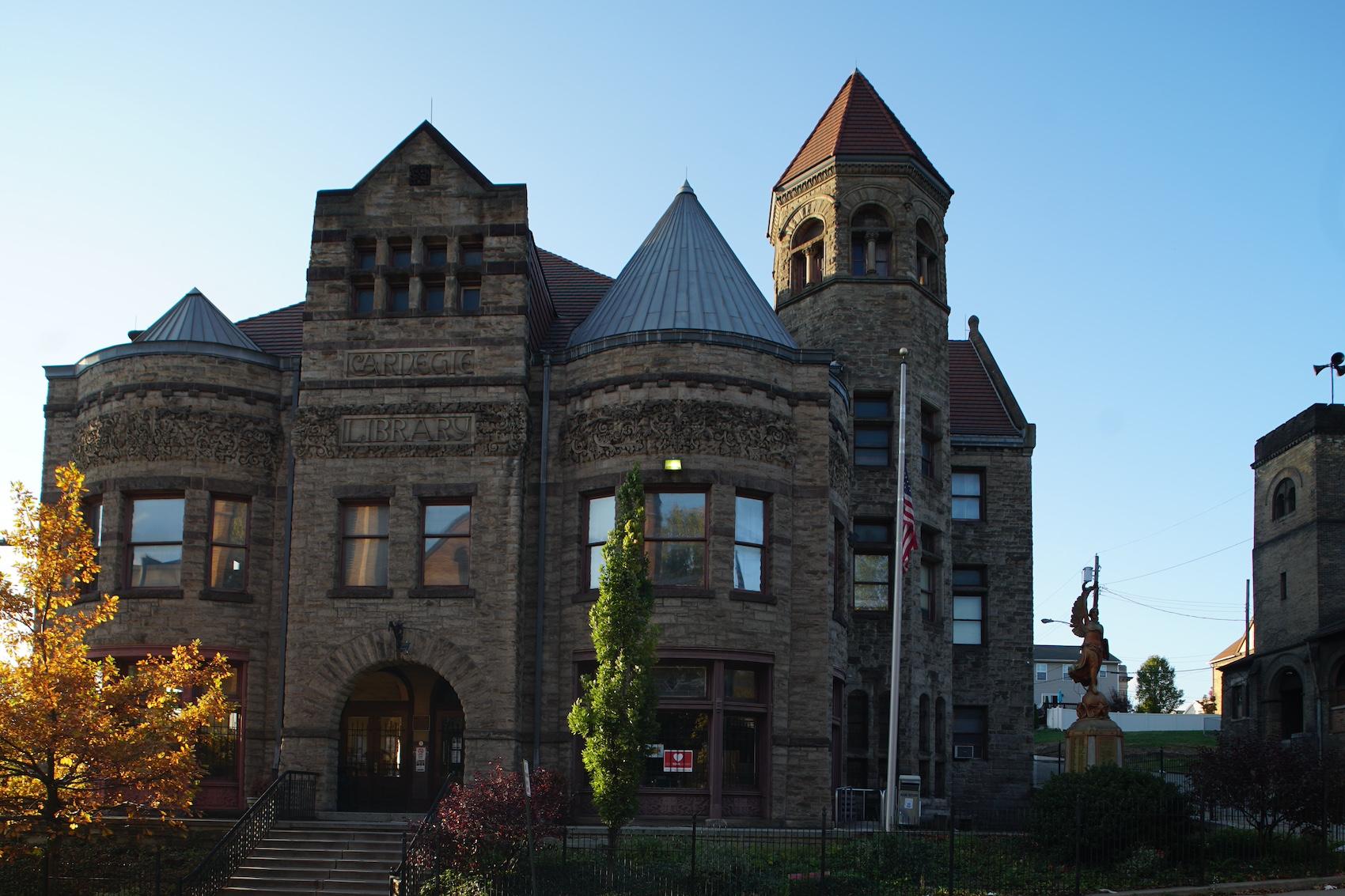
WikiCommons

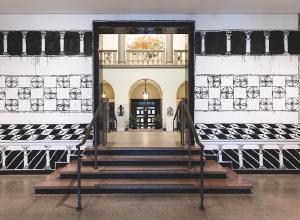
Braddock Carnegie Library. License

Yet, this kind of lending remains far out of reach for the majority of BPL’s patrons. This is why the current opportunity to bring home one of 20 pieces is so unique; it enables New Yorkers to engage with artwork by emerging creators in a way that museums generally do not allow. If this program goes as planned, we can expect more of these kinds of opportunities in the future.

About the Author

Subscribe to our free e-letter!

Webform
Art and Object Marketplace - A Curated Art Marketplace